My experience using Japanese in Japan 🇯🇵
During my first trip through Japan a year ago, I had only a very basic knowledge of Japanese after studying for around a year and a half. I could understand some signs and catch a little spoken Japanese, but it was not enough for basic communication. The Japanese people I initially tried speaking to knew that too.
Things were better on my second trip. My Japanese had improved considerably in the meantime, and I had passed the JLPT N5 exam. Even so, I continued to encounter language barriers in some situations.
How Japanese people respond when foreigners speak Japanese
Japanese people do not usually expect foreigners to know their language. Even if you say something in Japanese, it is therefore common to receive an answer in English. At breakfast in Osaka, for example, I greeted someone in Japanese but received the reply, “Good morning.” My other attempts at communicating ended similarly.
One exception was a bookshop, where I asked for a particular textbook while showing its picture on my phone. There, I received an answer in Japanese.
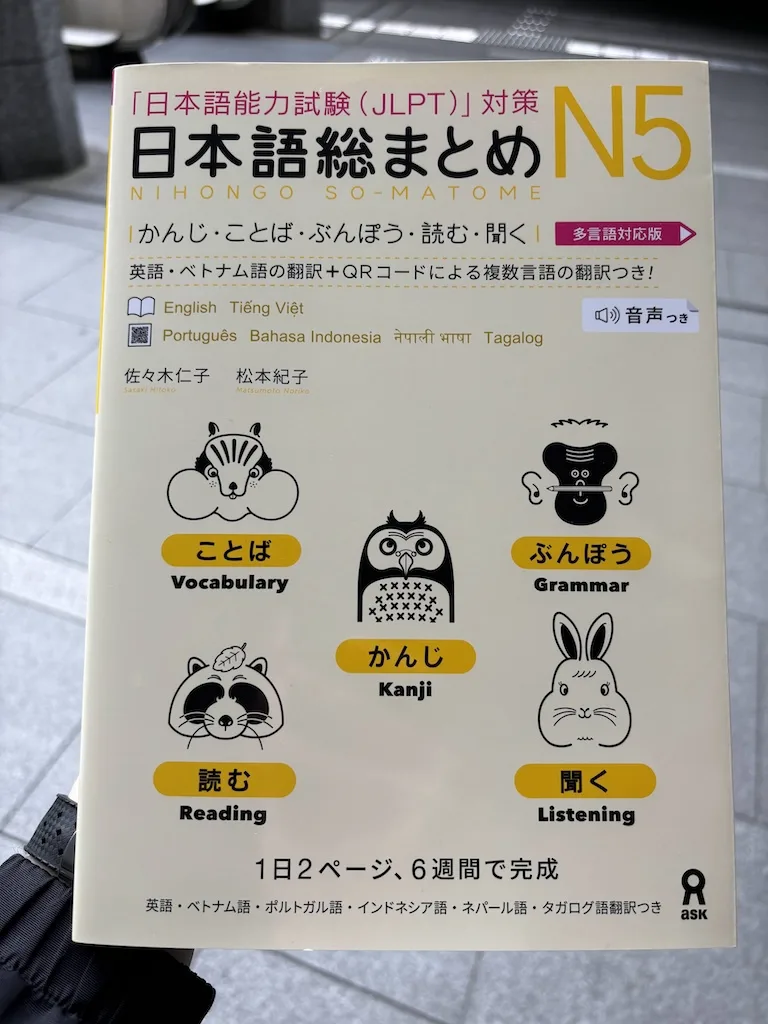
This is understandable. Japanese is a difficult language, and one or two sentences are not enough to tell whether someone knows only a handful of phrases or genuinely speaks it. On the other hand, even small signs of Japanese knowledge can pleasantly surprise local people. Saying just a few words is often enough for them to compliment your ability.
Travelling through Japan without Japanese
It is perfectly possible to travel comfortably through Japan without knowing Japanese if you stick to the usual tourist destinations. If you want to explore the country more deeply, however, even a basic knowledge of the language can significantly improve the experience.
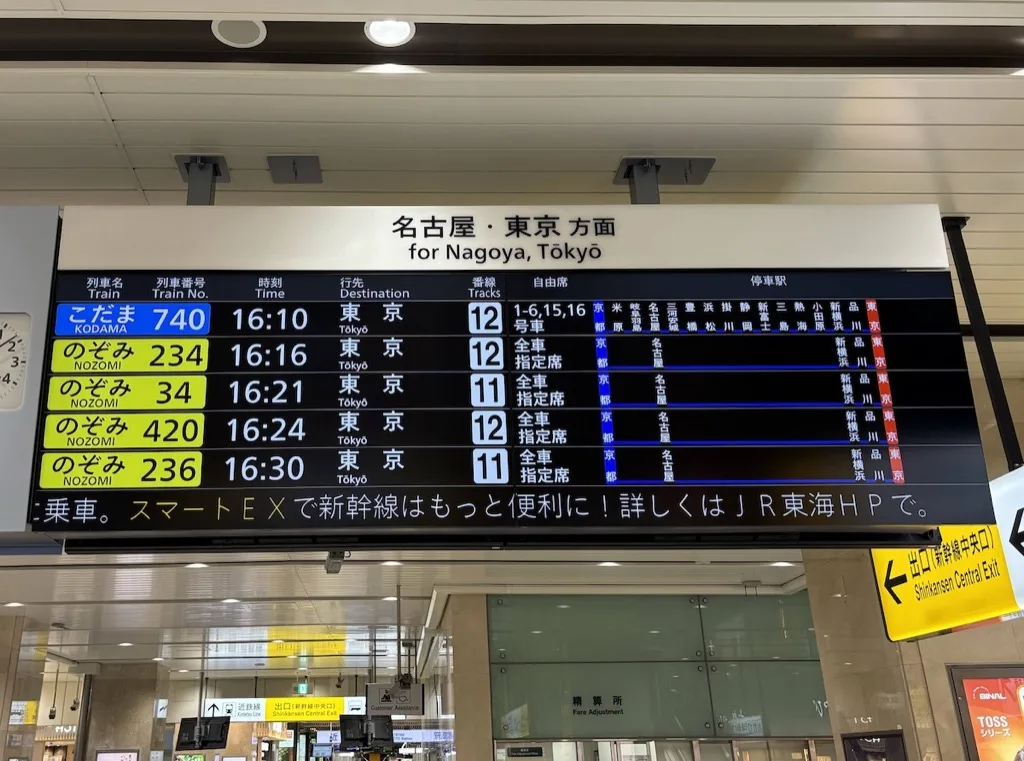
Ordering food
Ordering food is one area where Japanese is useful.
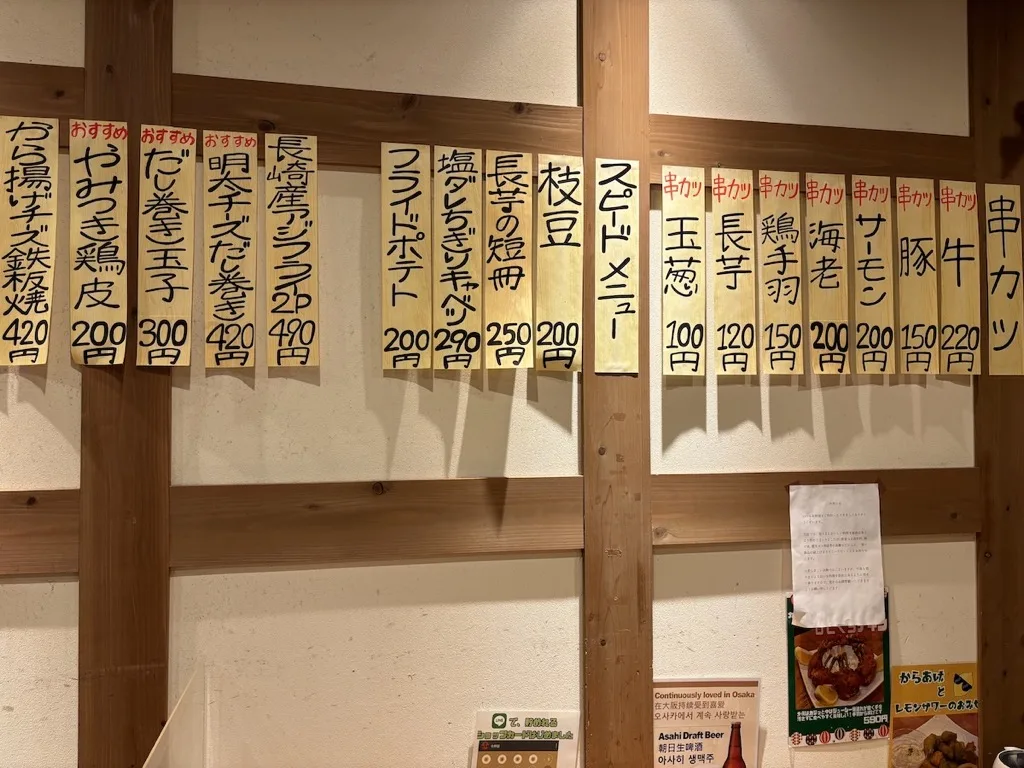
If you avoid tourist restaurants and prefer more authentic places, you may encounter situations where knowing the language helps. Picture menus or English descriptions are often available, although the translations can sometimes be inaccurate.
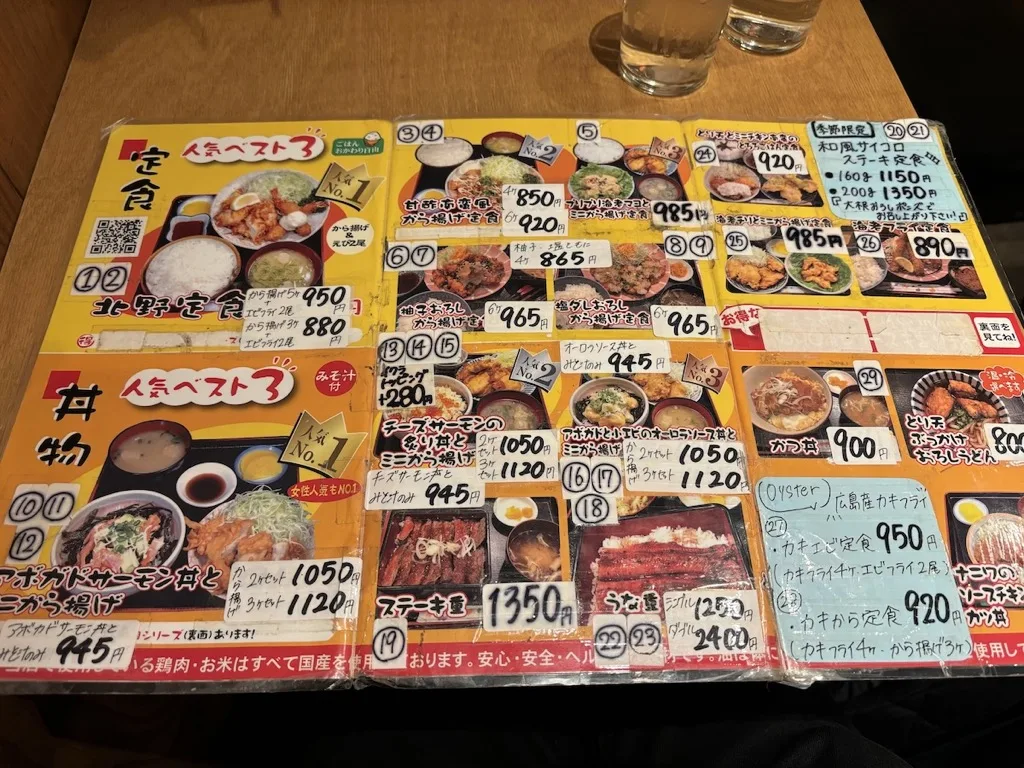
It is also useful to understand and answer basic follow-up questions. In a small ramen restaurant in Kyoto, for example, I ordered ramen and tea. When they asked whether I wanted the tea hot or cold, I could answer.
Japanese also helped during my visit to a maid café in Akihabara, where being able to have a simple conversation with the maid made the experience feel more authentic.
Navigating outside tourist areas
Away from the main tourist routes, signs and instructions are often available only in Japanese. Google Translate can help in these situations, but knowing some basic characters and phrases makes finding your way easier.
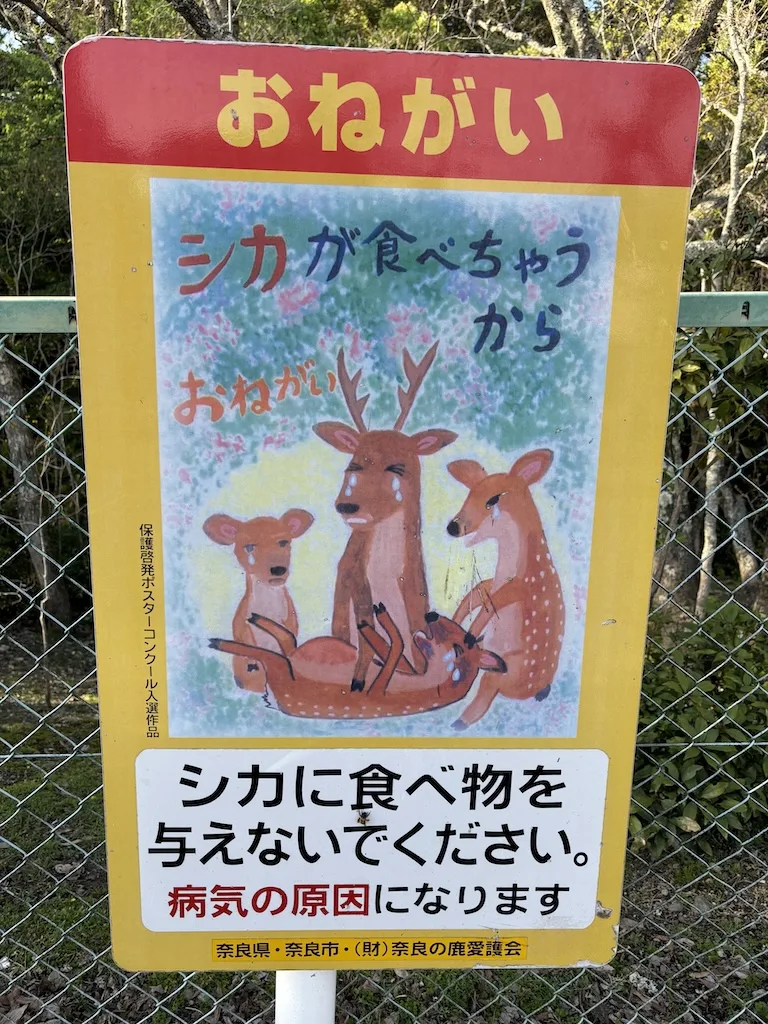
On my second trip, I visited lesser-known places where I relied more heavily on Japanese, for example in small restaurants or when buying tickets for local buses.
Handling unexpected situations
Language skills are also useful when dealing with the unexpected. At a station entrance in Tokyo, for example, the ticket gate failed to register my Suica card. I use Suica on my iPhone, which makes managing the balance convenient, but technical problems occasionally occur. If the gate does not register your card when entering, it will not let you out at your destination because the system cannot calculate the fare.
At large stations, there is always a staffed office beside the gates to handle such problems. This time, however, I found myself at a smaller station without one. A Japanese man in front of me had the same problem. He rang a bell and said something, so I followed his example, quickly looked up how to say that the gate had not registered my entry and rang the bell.
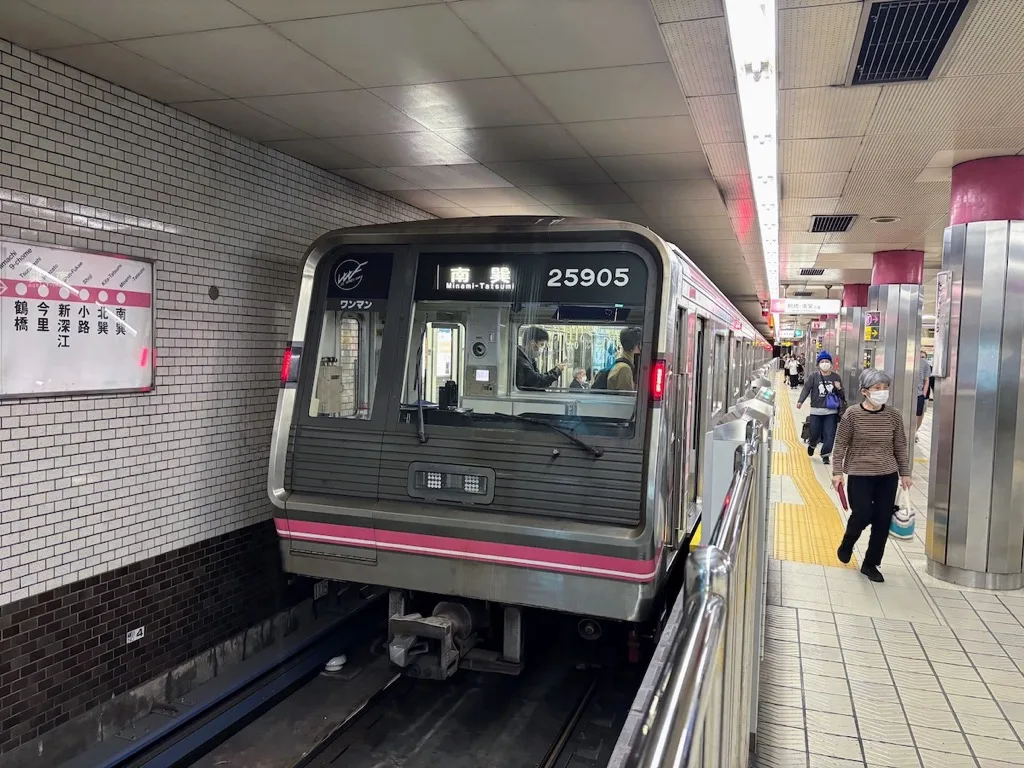
A voice replied, but I did not understand it. I tried to explain that my card had not registered at the previous station. I then realised that they were asking which station I had travelled from. I answered “Nezu” and waited for instructions. They told me to touch my card to the gate. I tried, but an error appeared. I touched it again, and this time the gate let me out.
When I checked my balance later, the journey showed only “no charge”. I do not know whether the fare was added later or the employee decided that communicating would be too complicated and simply let me through.
Japanese as an advantage, not a necessity
A basic knowledge of Japanese is not essential for travelling through the country, but it can help in many situations and make the experience more comfortable. I noticed the difference even more on my second visit. With better language skills, I felt more confident and could navigate a wider range of situations more easily.