Travelling through Japan: Kyoto 🇯🇵
The second stop on my trip through Japan was Kyoto, the country’s ancient capital. Although Kyoto is only around 50 kilometres from Osaka, it is a completely different city with a distinct atmosphere.
Kyoto may be Japan’s most visited city, not only among foreign tourists but also domestic travellers. You will encounter many school trips, and crowds are present almost everywhere.
Getting there from Osaka
You can travel from Osaka to Kyoto by Shinkansen in around 15 minutes.
I thought a conventional train was the better option. A limited express with only three stops covers the route in half an hour and is considerably cheaper.
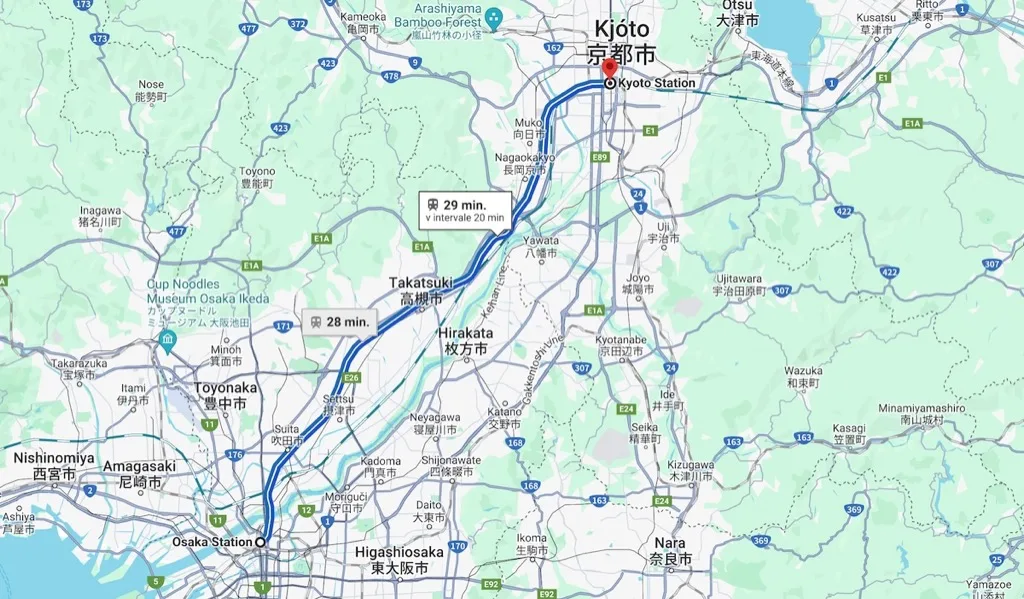
There is no need to buy a separate ticket for this train either. You can simply use the Suica card on your phone when boarding in Osaka and leaving the station in Kyoto.
Getting around Kyoto
For more distant places in Kyoto, you can use the metro or trains. Google Maps will find the connection, and a Suica card can be used for payment.
A city bus is better for shorter journeys. You board through the rear doors, leave through the front and pay when getting off.
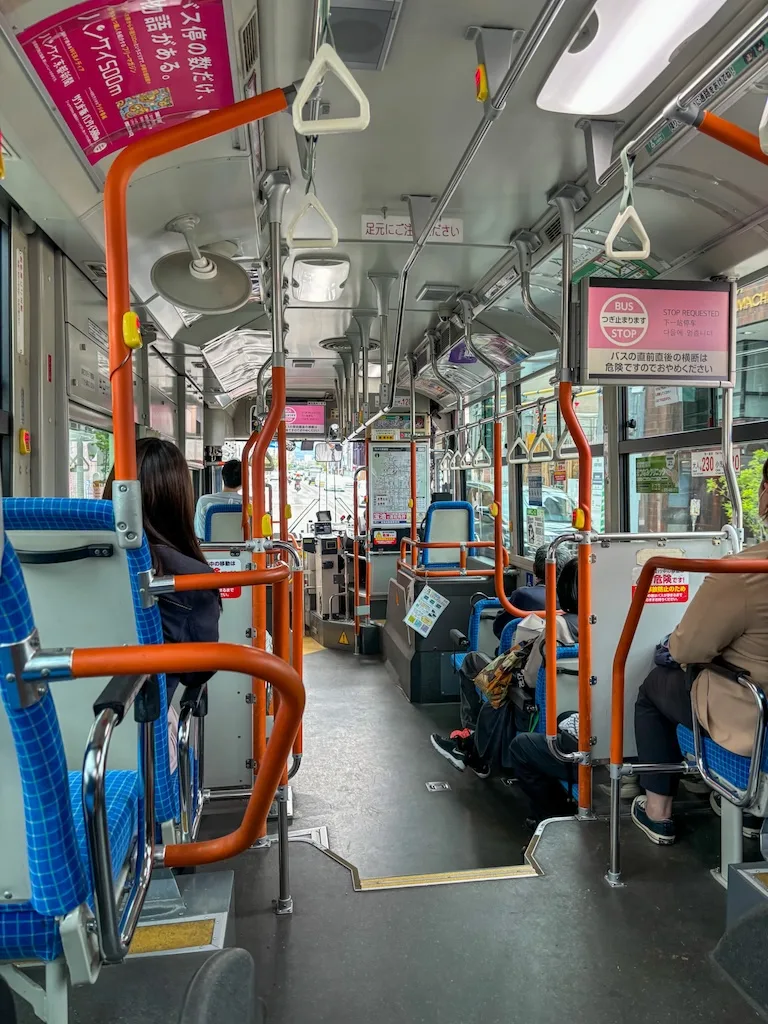
Each journey has a fixed price regardless of distance. You need either the exact amount in coins or, more conveniently, a Suica card.
At some bus stops, I encountered an employee whose job was to stand there, announce the numbers of arriving buses—which were clearly visible and written in Arabic numerals—and direct passengers into a queue for boarding.
One stop even had two employees: one to announce the numbers of arriving buses and another to arrange people into a queue.
Accommodation
I chose accommodation within walking distance of the railway station, a few streets to the south.
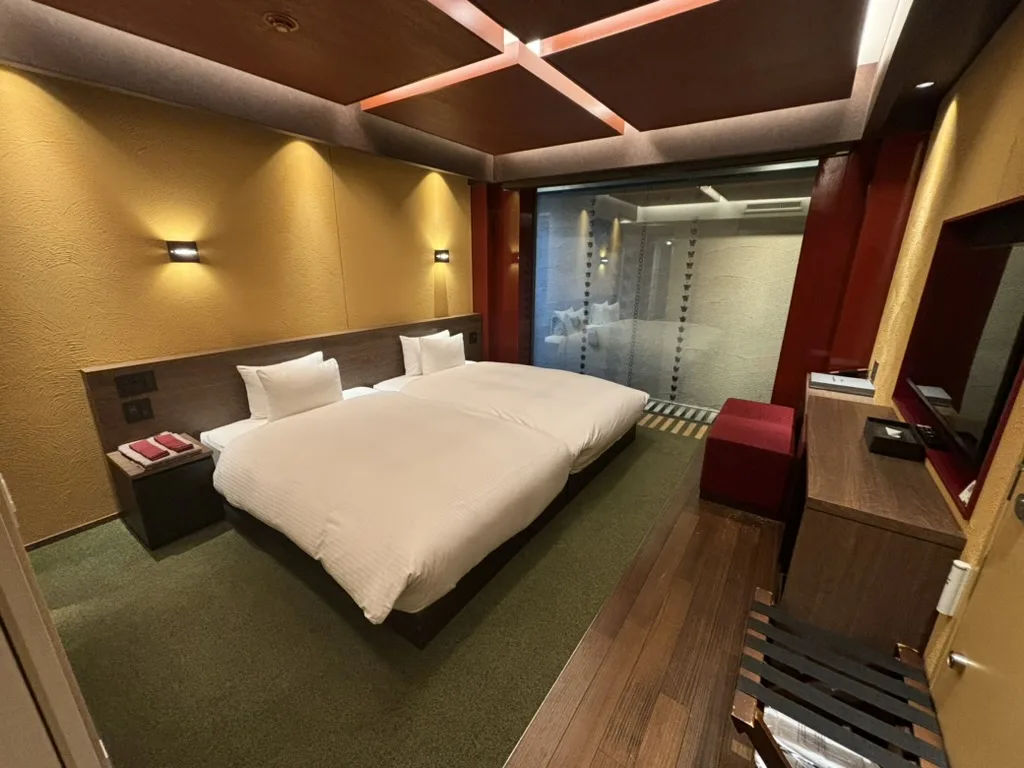
It seemed like a good location both for travelling around Kyoto and for the subsequent Shinkansen journey to Tokyo. About two streets away from my accommodation was a bus stop for a route serving Kiyomizu-dera, among other places.
The railway station itself contains many shops and, above all, restaurants. Finding my way around after arriving from Osaka was not entirely easy.
Fushimi Inari
Fushimi Inari is one of Kyoto’s best-known and most visited Shinto shrines, as well as one of the city’s most recognisable places thanks to its red torii gates.
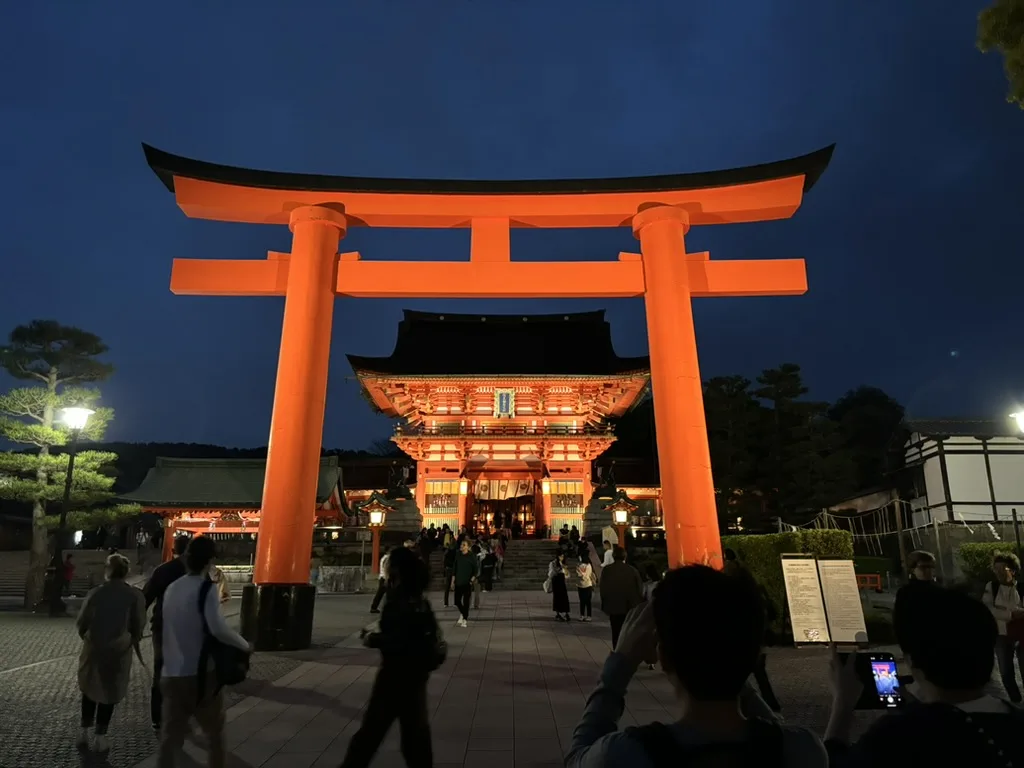
During the day, large crowds of tourists make their way through the torii gates towards the summit.
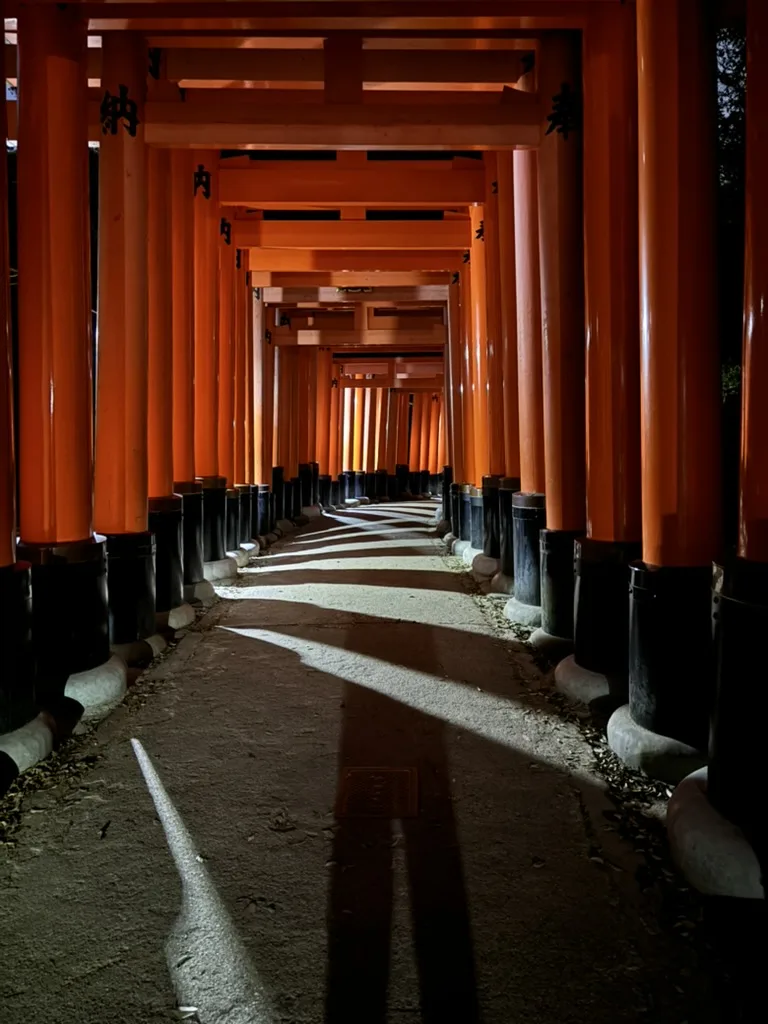
Fushimi Inari is open 24 hours a day, however, so you can visit in the evening or at night when there are very few tourists. In my view, this makes for a much better experience.
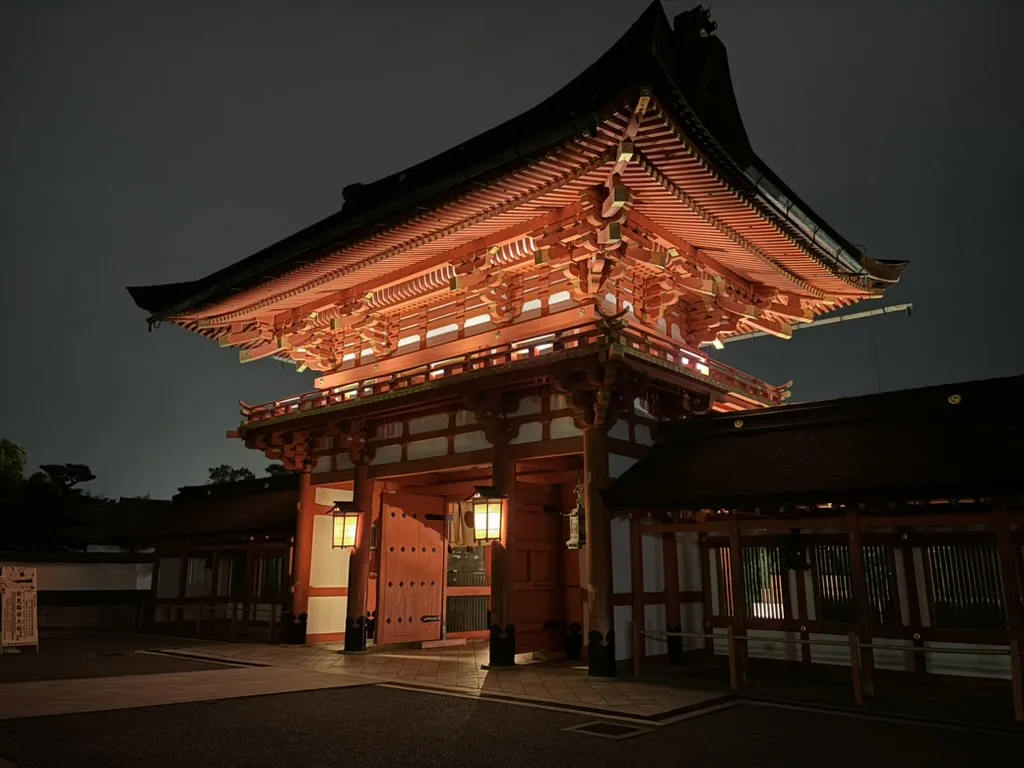
Late at night, you still need to be careful. You are in nature, after all, and wild boar live in the surrounding area.
Kinkaku-ji Temple
Kyoto’s second most famous sight is Kinkaku-ji Temple, specifically the Golden Pavilion in its gardens.
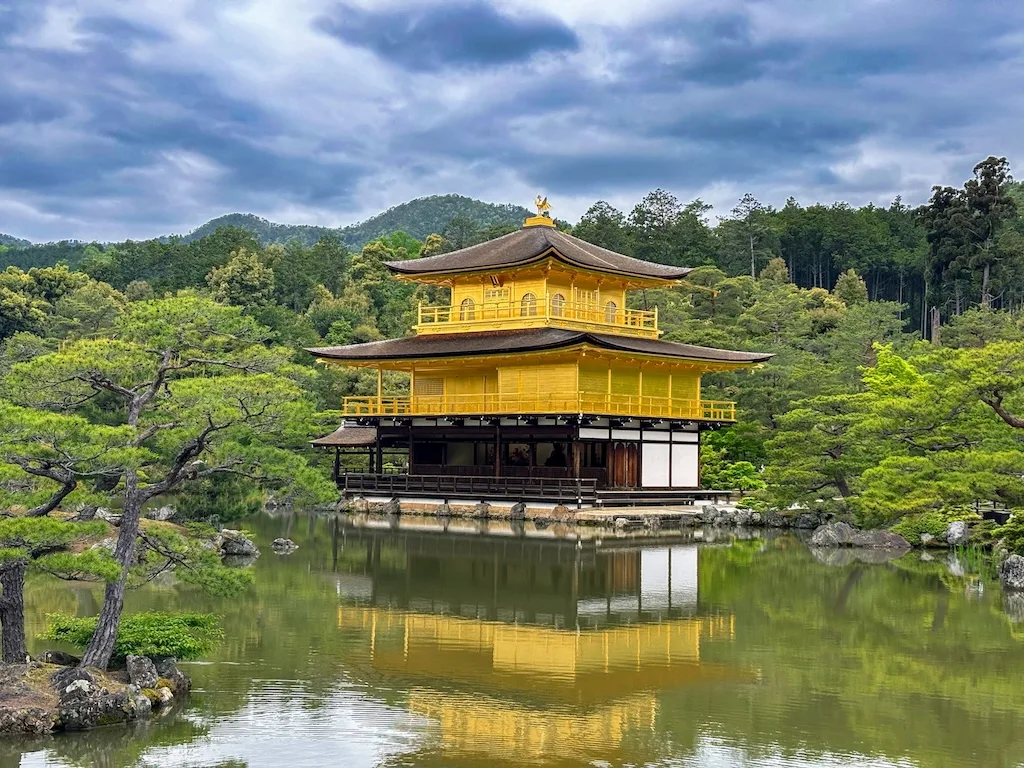
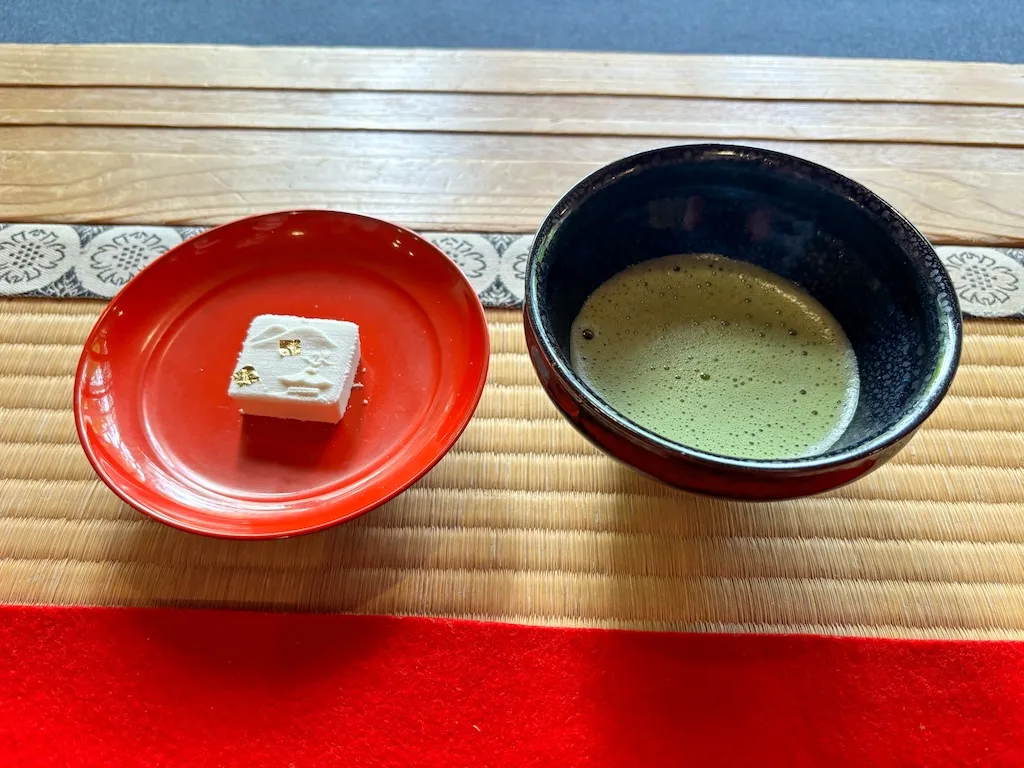
After walking through the garden, you can stop before leaving at a traditional teahouse within the grounds and drink matcha while sitting on tatami.
Arashiyama Bamboo Grove and Tenryū-ji Temple
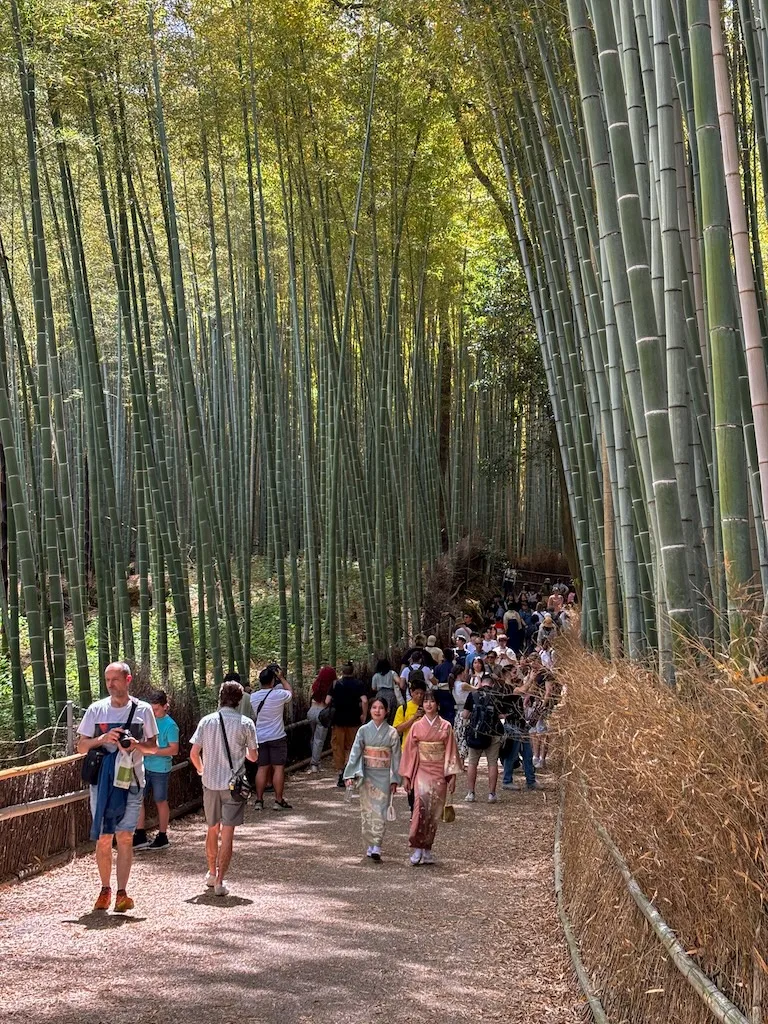
After Fushimi Inari, the Arashiyama Bamboo Grove is surely Kyoto’s second most photographed place.
 |
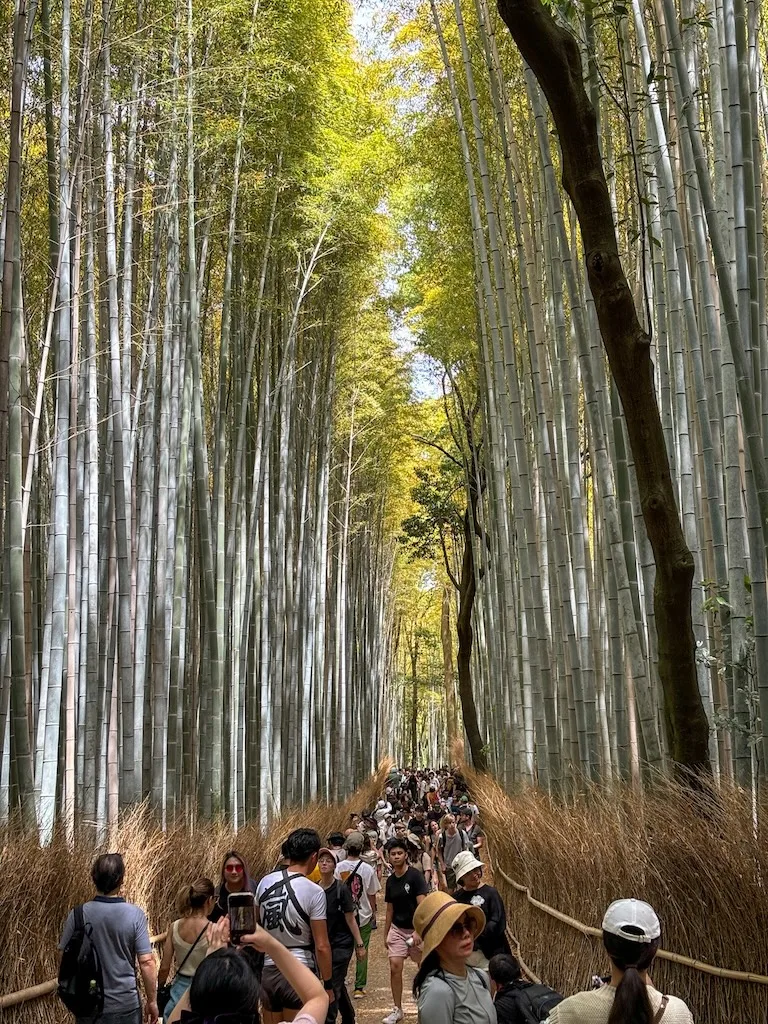 |
It is also among the places most crowded with tourists, who are willing to arrive as early as seven in the morning for a good photo.
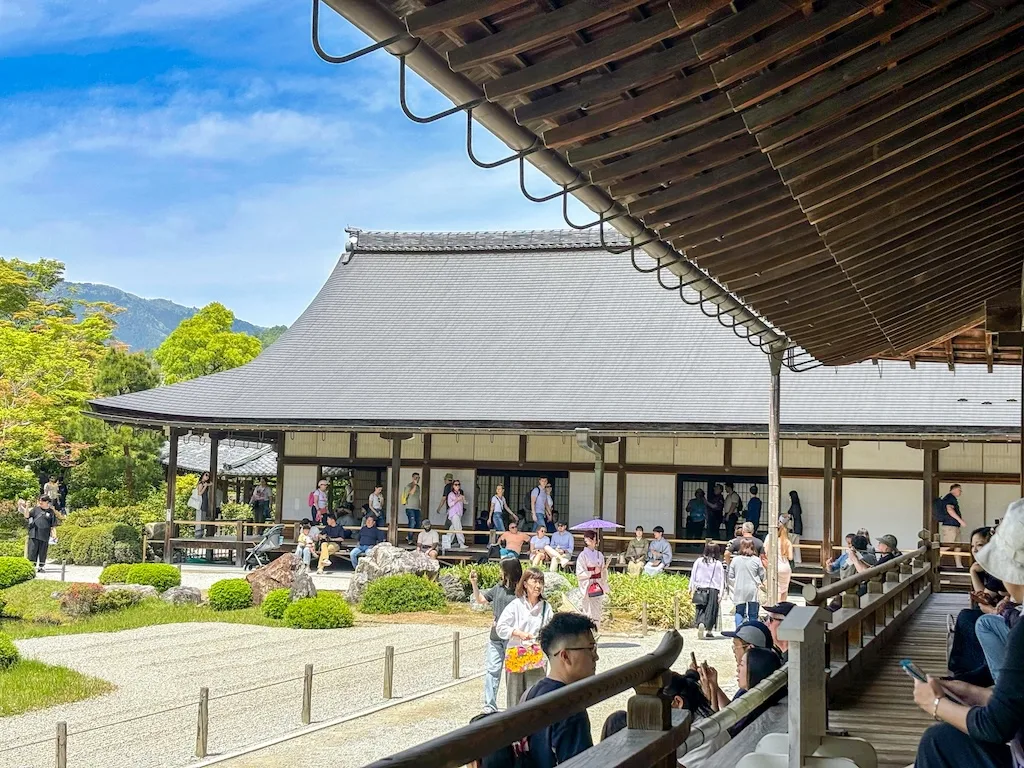
The ideal way to begin a visit to the bamboo grove is at Tenryū-ji Temple on its edge.
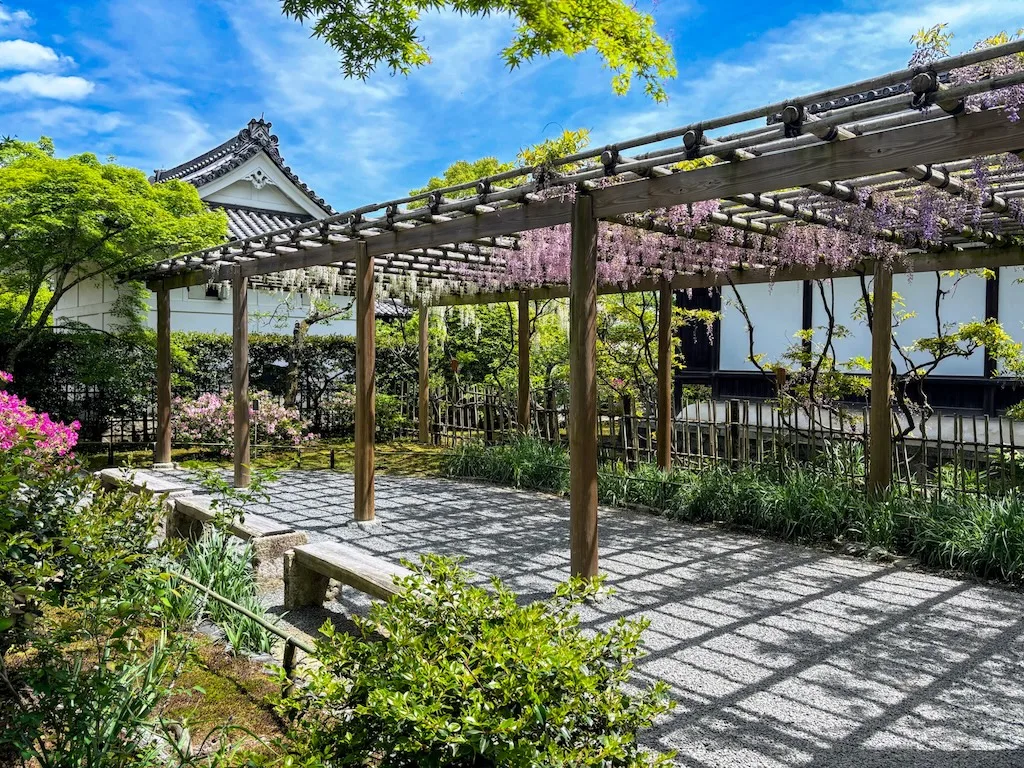
Kiyomizu-dera Temple
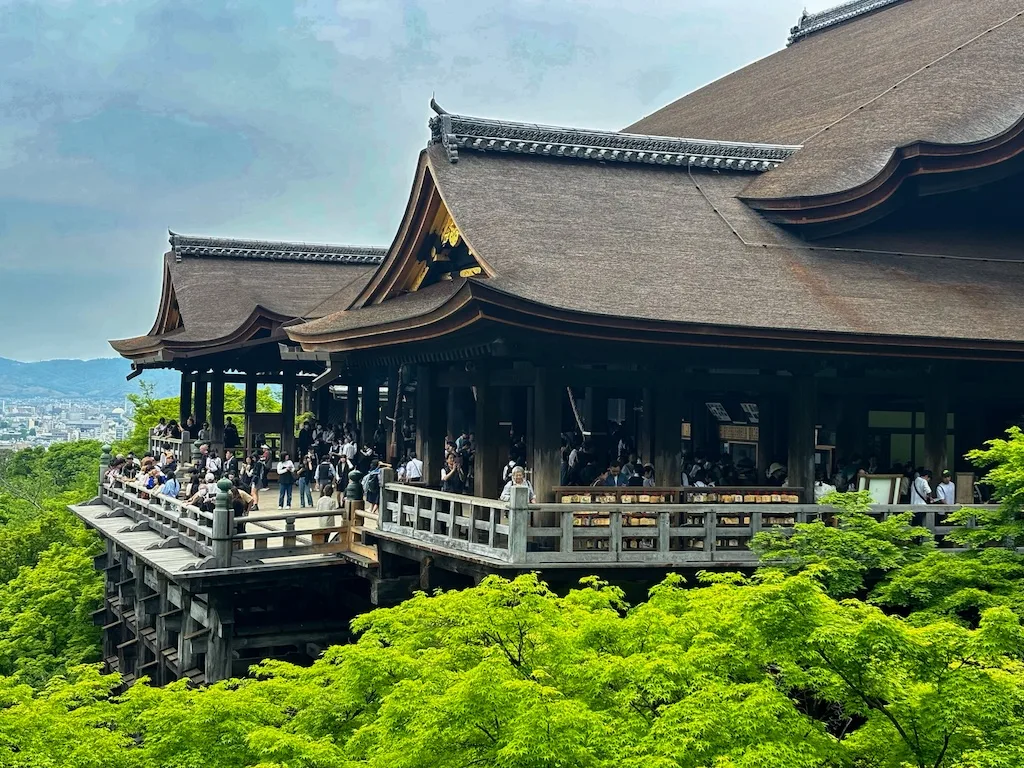
Kiyomizu-dera is a complex of Buddhist temples with a history stretching back to the eighth century, although the present buildings were constructed in the 17th century.
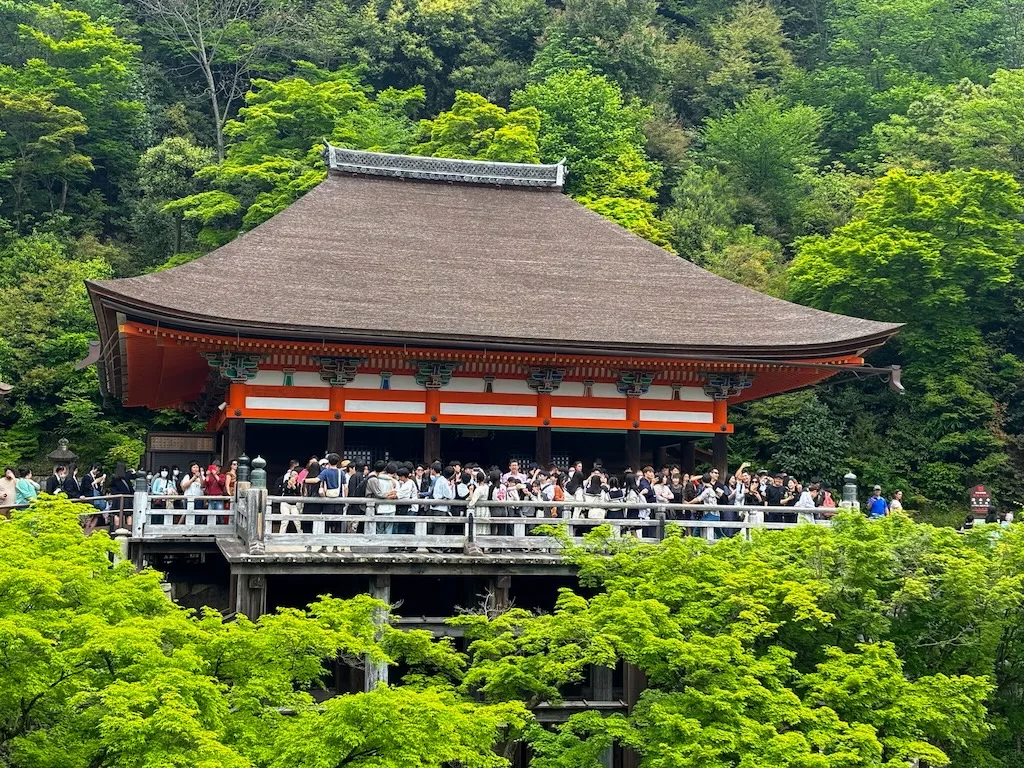
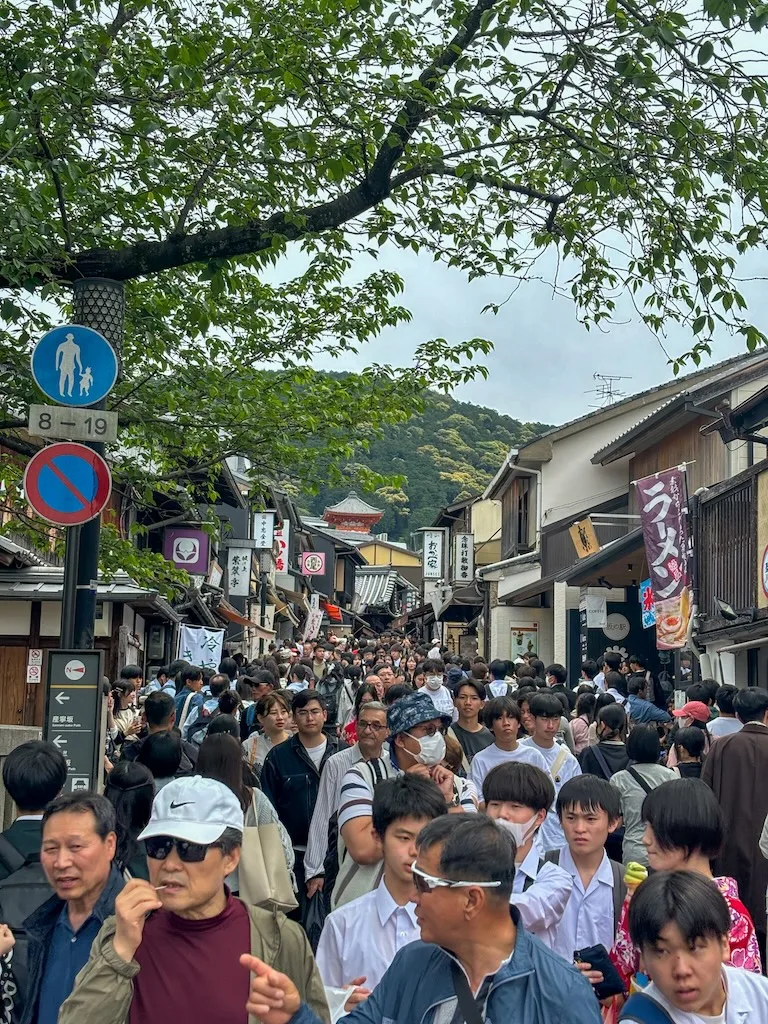
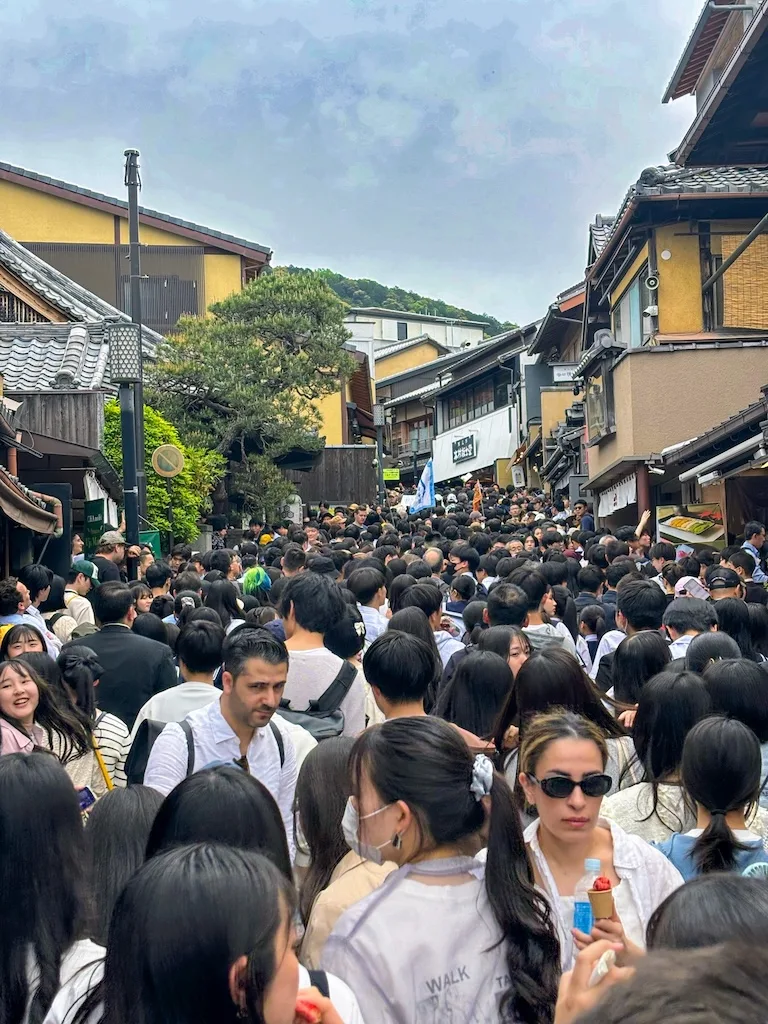
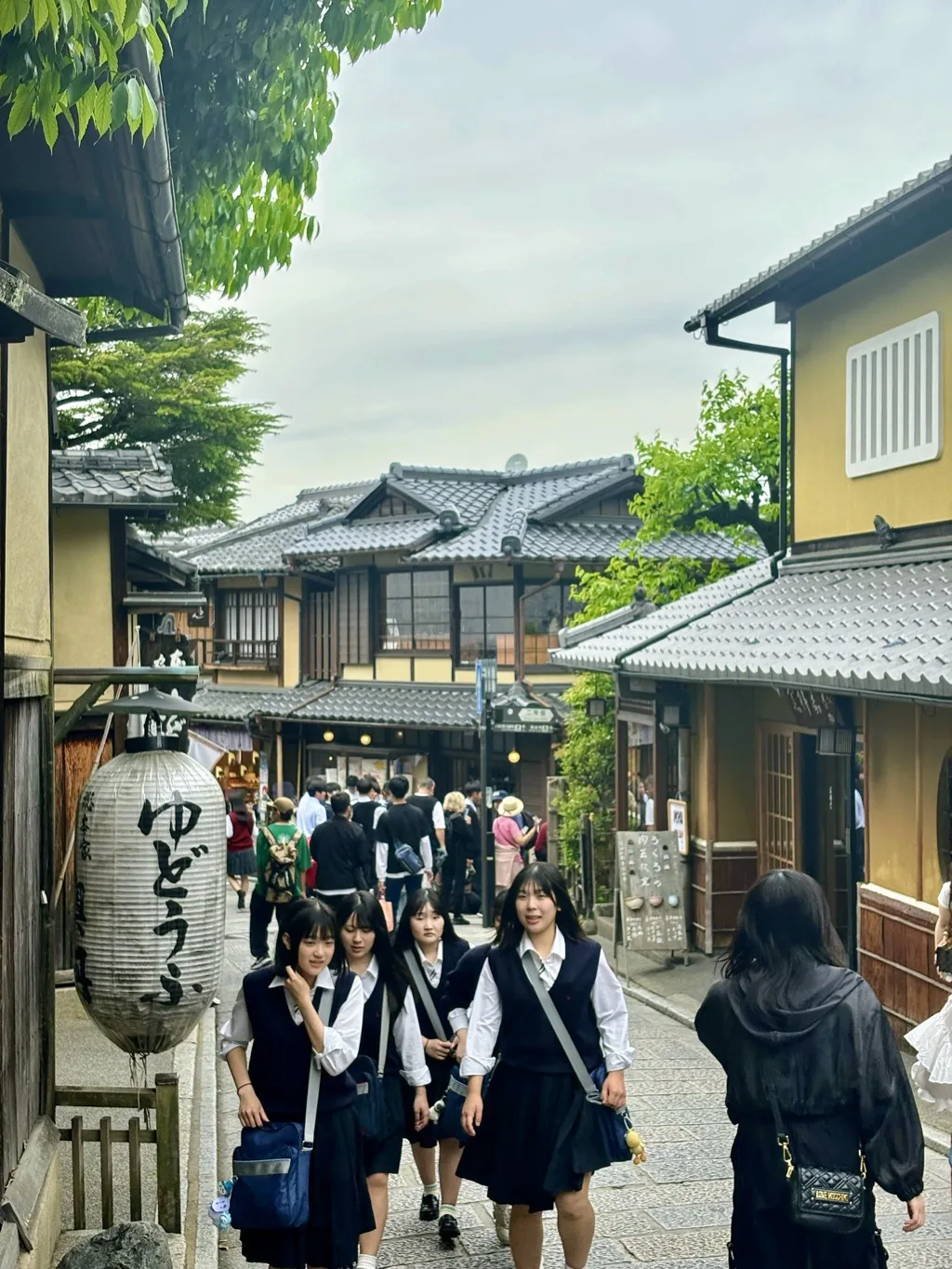
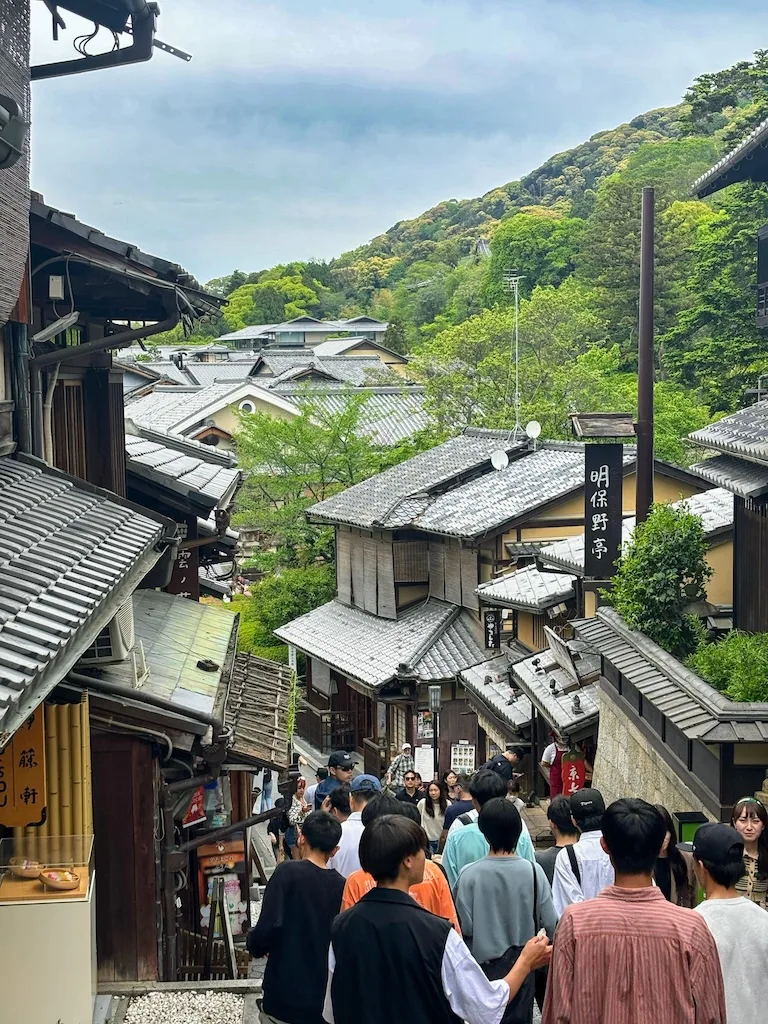
It is one of Kyoto’s most visited places, especially popular with school groups, so human traffic jams form on the road leading to the temple.
 |
 |
The complex is quite extensive, and its two main routes are marked only in Japanese.
Yasaka Shrine
Following the narrow historic streets from Kiyomizu-dera back towards central Kyoto brings you to Yasaka Shrine.
 |
 |
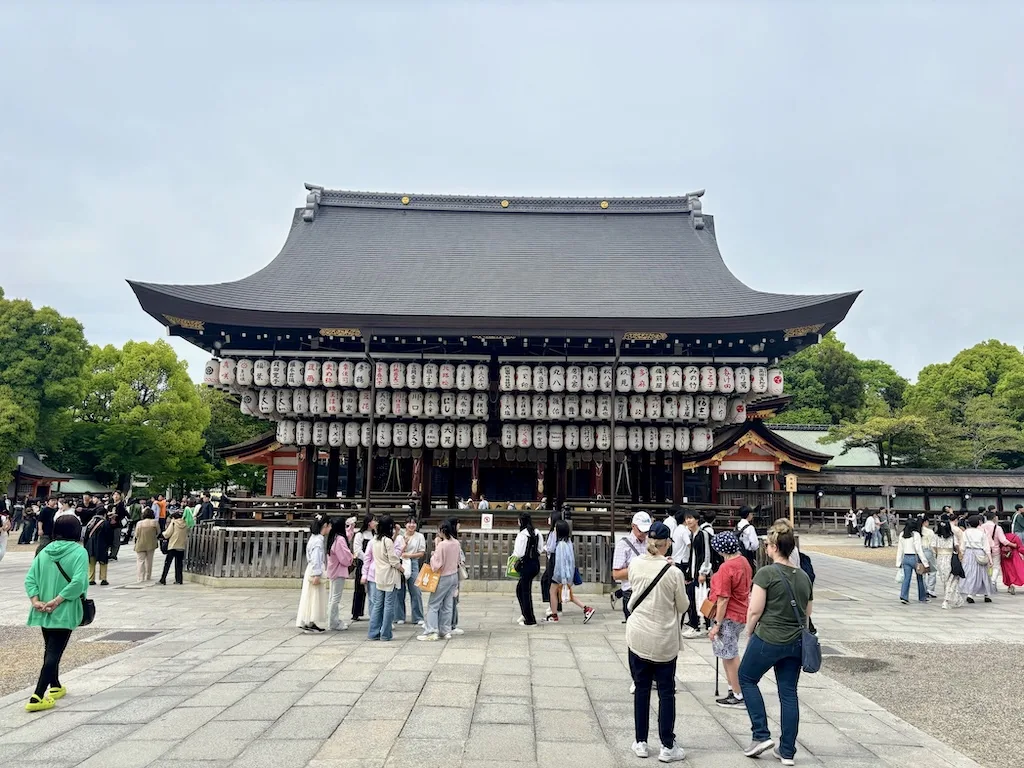
Yasaka Shrine is more than 1,300 years old and is used mainly for various festivals.
Higashi Hongan-ji Temple
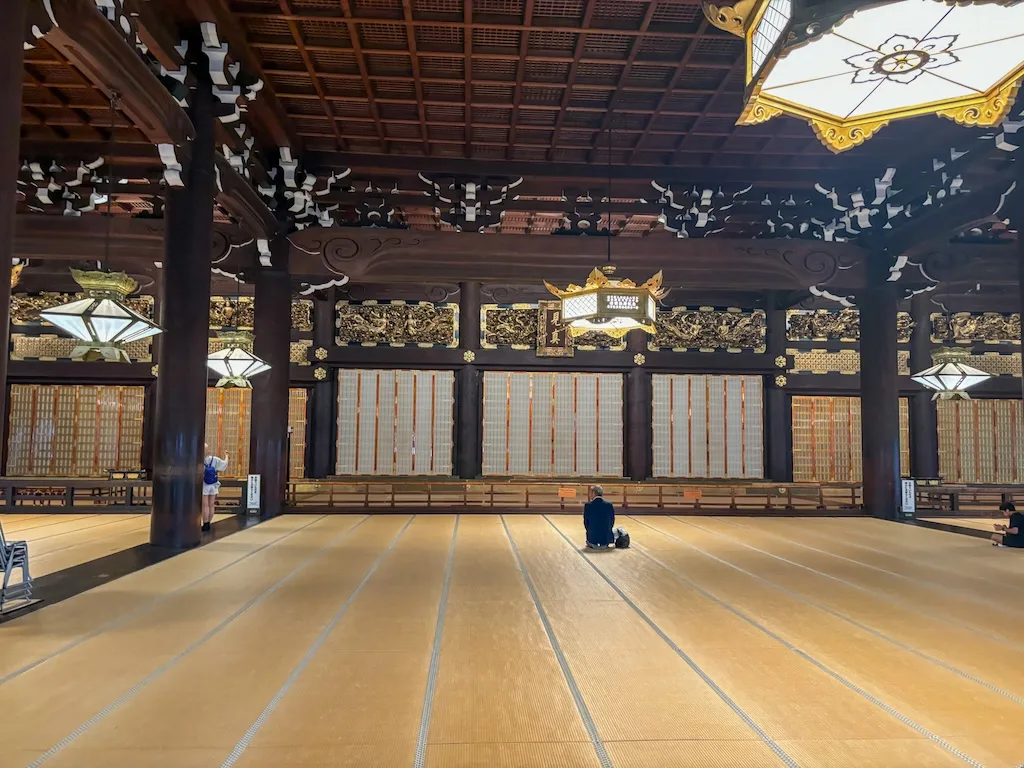
When you are near the railway station, you can stop at the Buddhist temple Higashi Hongan-ji.
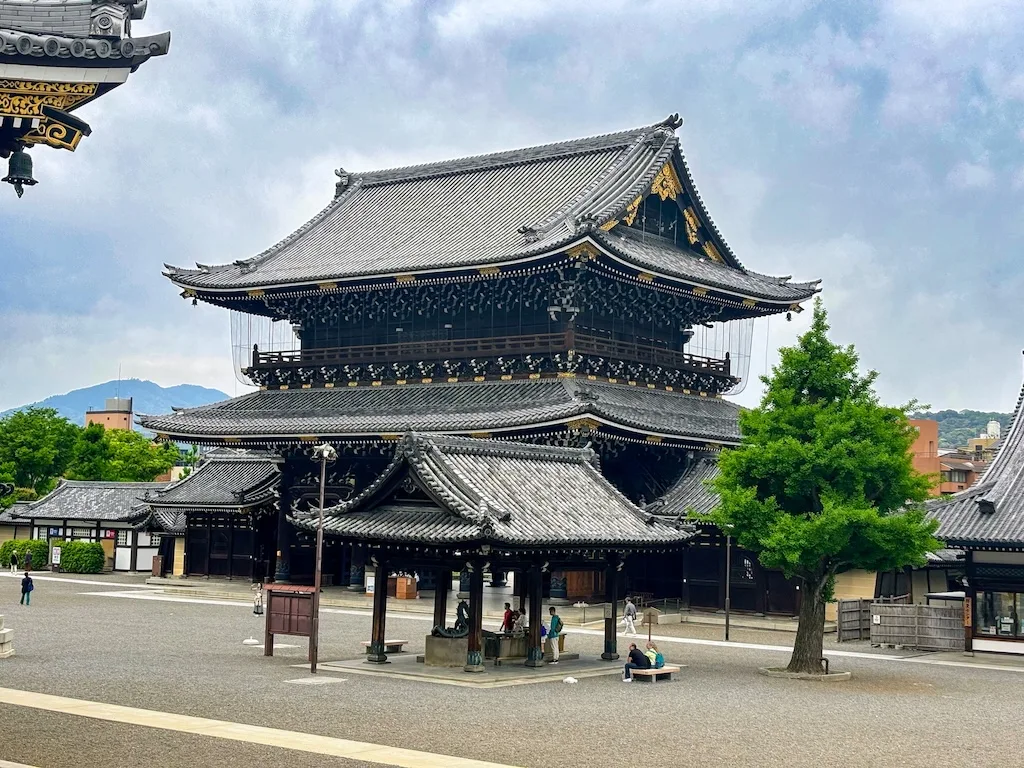
You can enter the temple interior and sit on the tatami.