How I explored Tokyo and found peace there 🇯🇵
My second trip to Japan was quite different from the first. I had different goals and different expectations. After my first trip, I could say that I had seen a lot. This time, I wanted to feel that I had experienced a lot.
That is why I did things such as visit a maid café in Akihabara and take the Tokyo Cyberpunk Streets night photography course.
Morning journeys through the city
Every morning, I stopped at a konbini on my way to the station and bought a half-litre bottle of warm roasted green tea, or hōjicha. It is my favourite drink in colder weather.
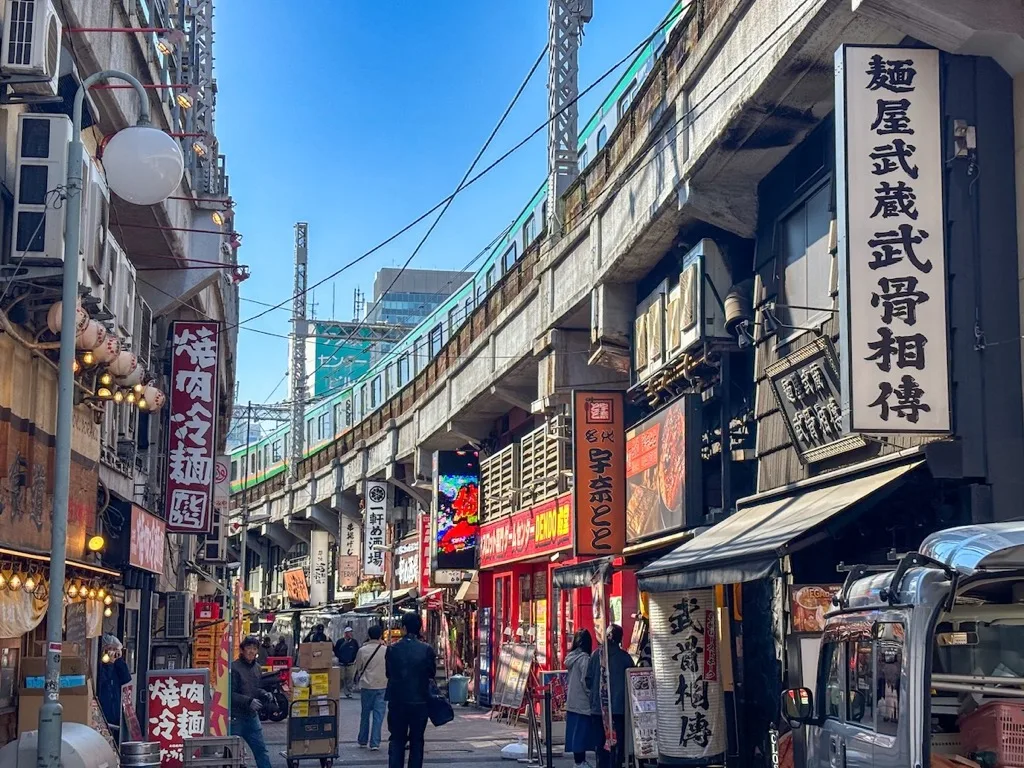
At the station, I tapped the Suica card on my iPhone at the ticket gate, found the right line and platform, then joined the Japanese commuters queuing to board the train.
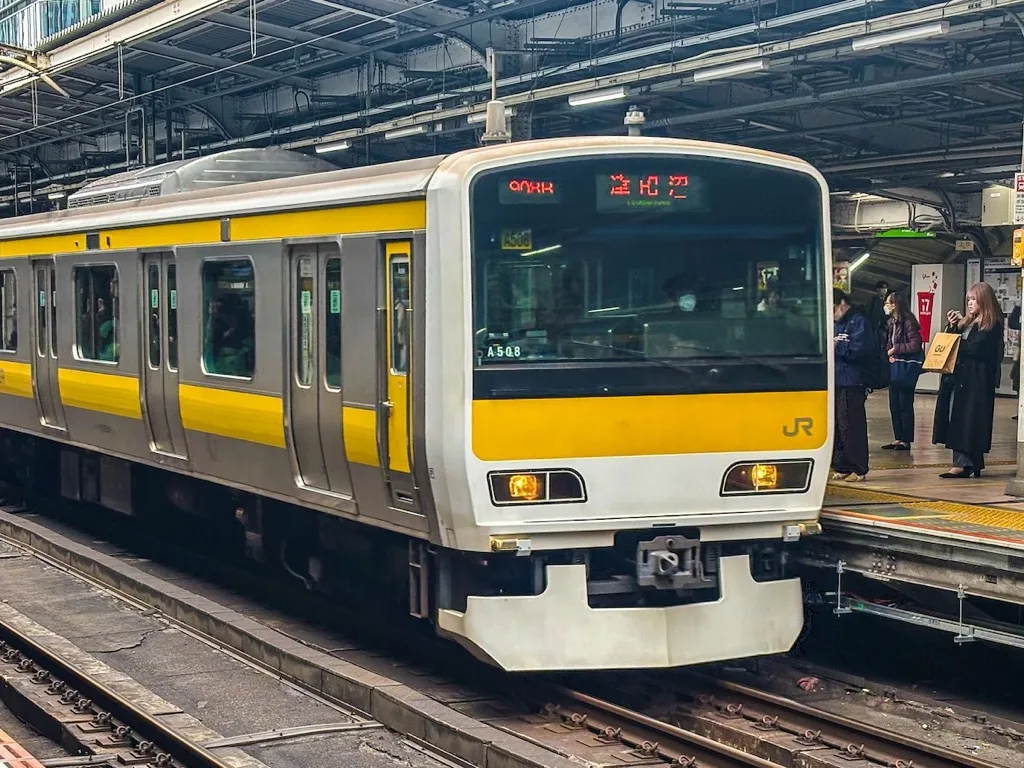
The journey often involved a transfer, which I managed without thinking or hesitating. On the train, I looked out of the window or watched the people around me. I never looked at my phone.
I felt at home, as though I simply belonged in Tokyo.
Away from the tourist trail
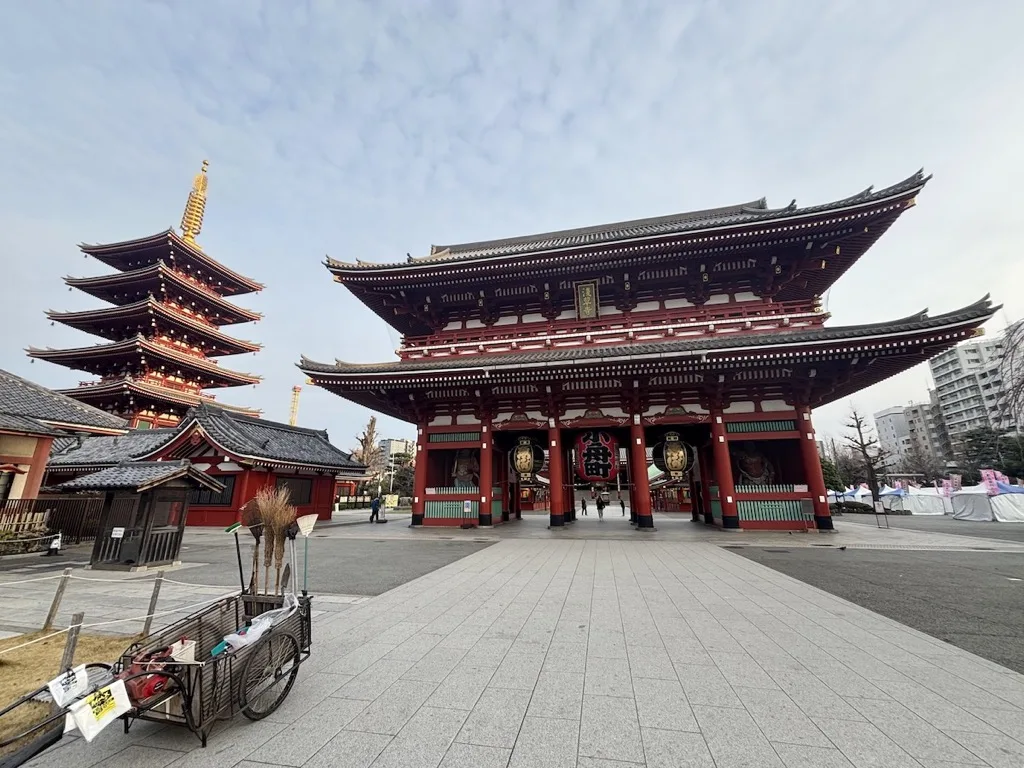
I avoided tourist attractions. I had already seen most of them during my previous visit to Tokyo. I visited Asakusa only at sunrise, when it was almost empty.
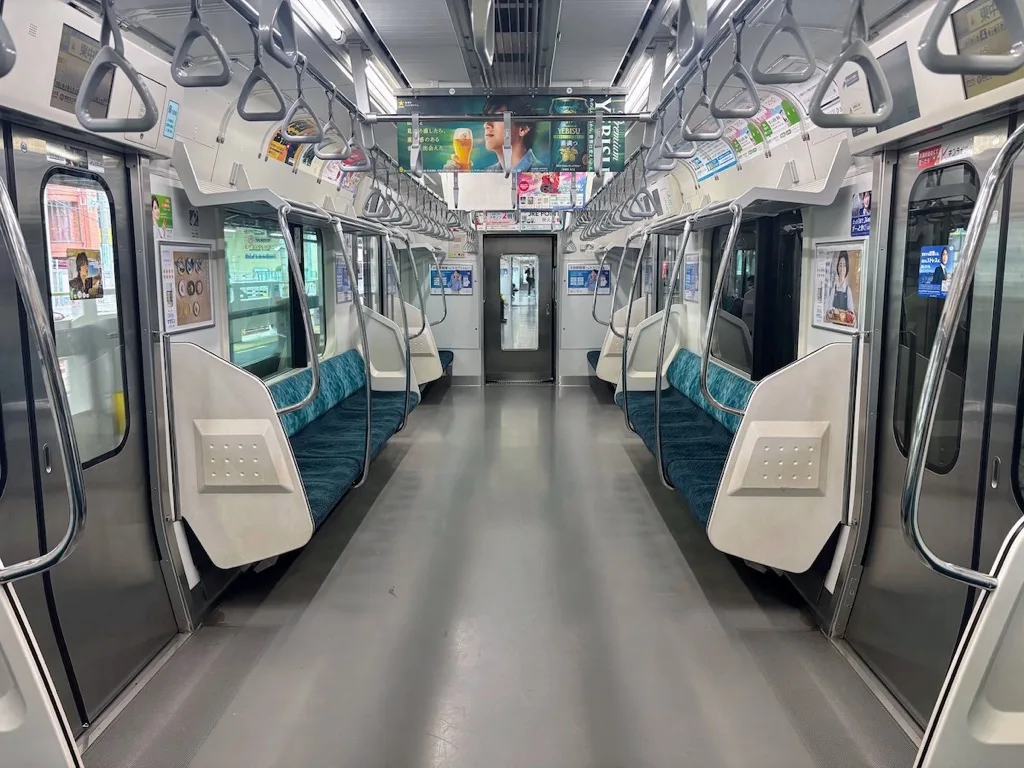
Each day, I chose an interesting neighbourhood and took a train there. On the way to Nakano, I even managed to spend the final few stops completely alone in the train carriage. In the morning. In crowded Tokyo.
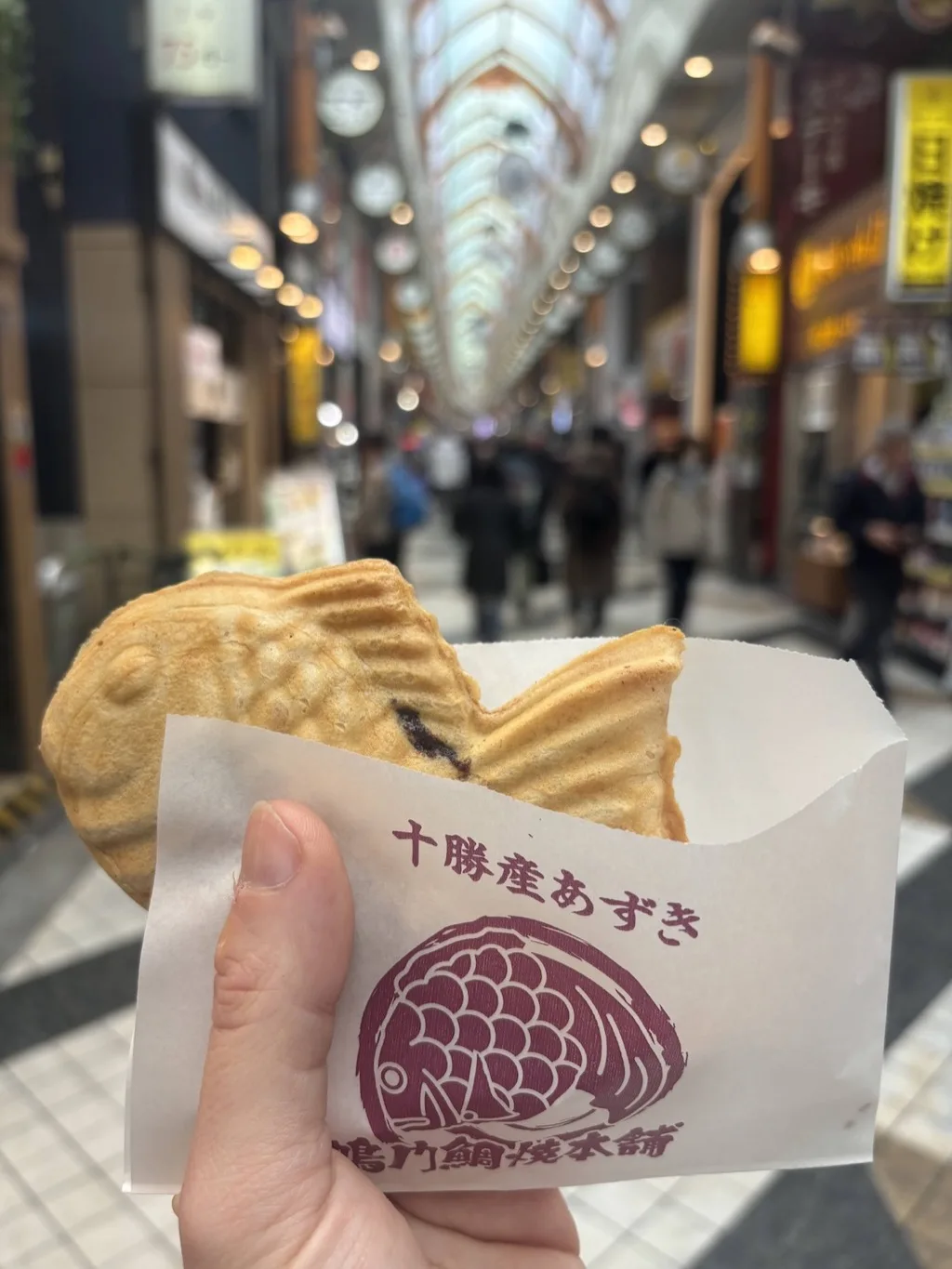
In Nakano, I walked through the Nakano Sunmall shopping arcade, bought a taiyaki—a Japanese fish-shaped cake filled with sweet red bean paste—and looked for an interesting gachapon.
When I reached Nakano Broadway, I looked at some watches, which are something of a hobby of mine, and browsed shops selling anime figures.
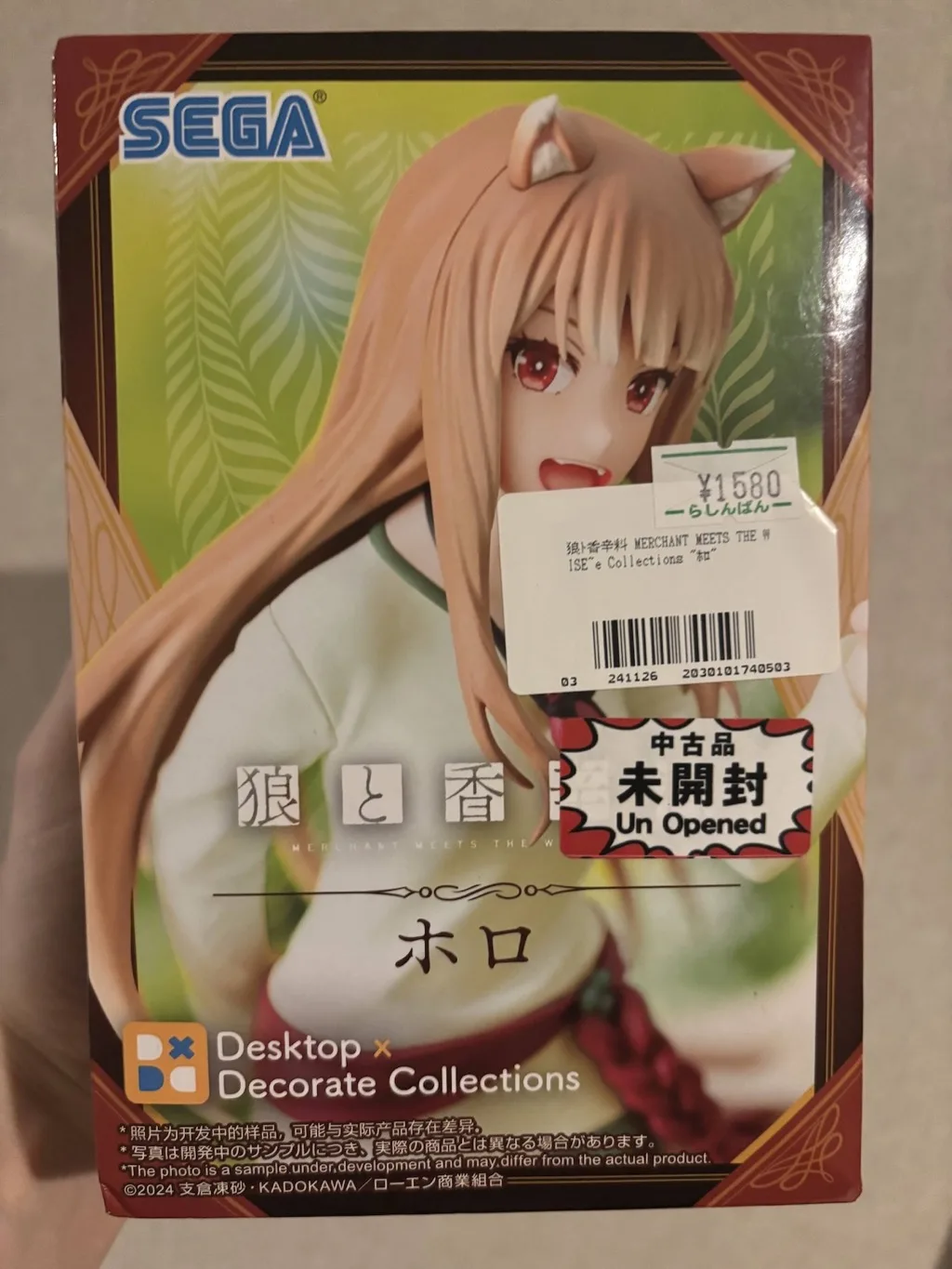
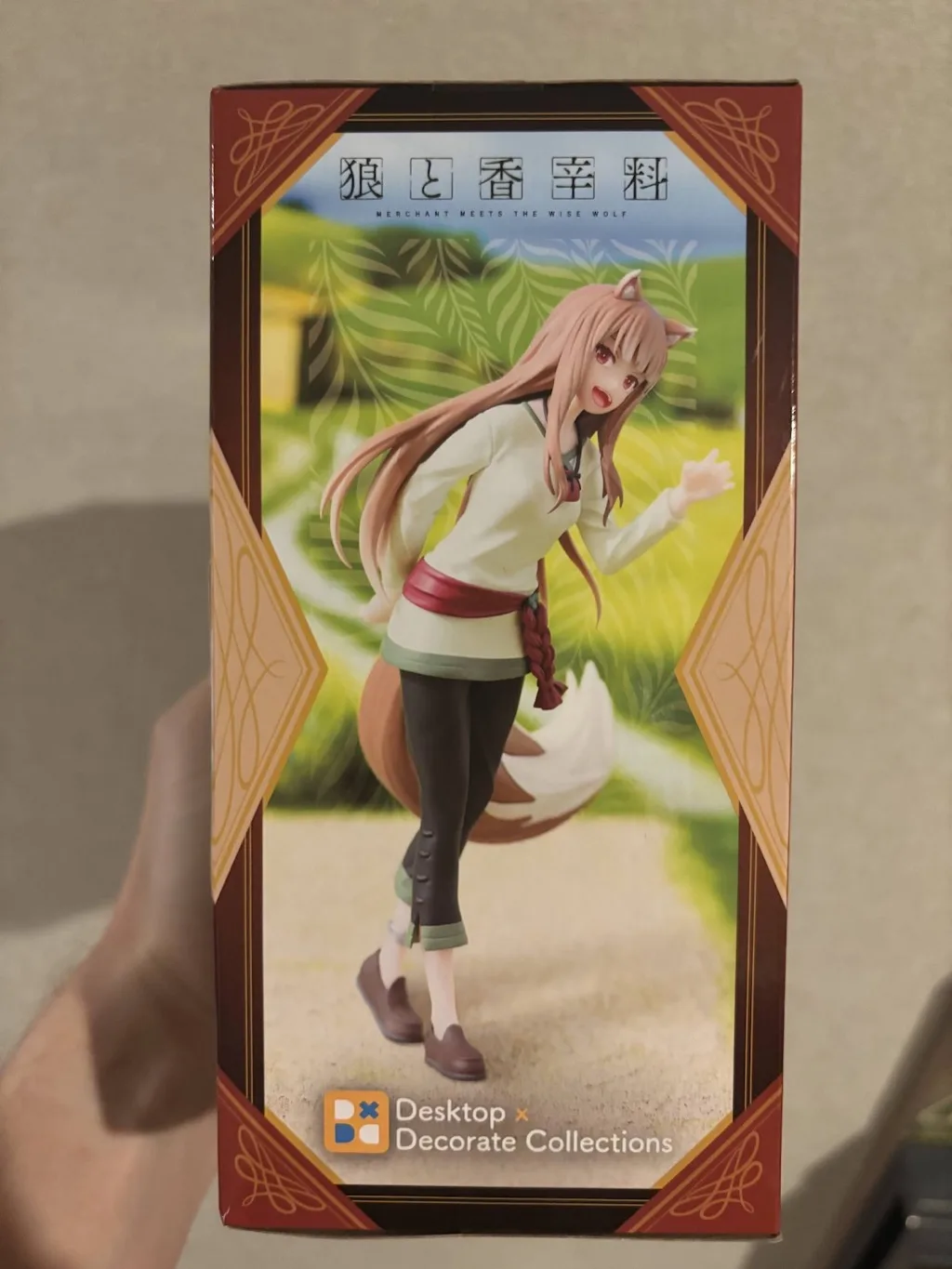
In one of them, I found Holo from my favourite anime, Spice and Wolf. It was second-hand but still unopened and cost ¥1,580—the first anime figure I had ever bought.
 |
 |
Travelling by tram and making unexpected discoveries
In Minowa, I discovered Tokyo’s last tram line, the Toden Arakawa Line. Trams were once commonplace, but from the 1970s onwards they were gradually replaced by trains. I walked alongside the tracks and observed the neighbourhood: small stops, a few local people and no tourists.
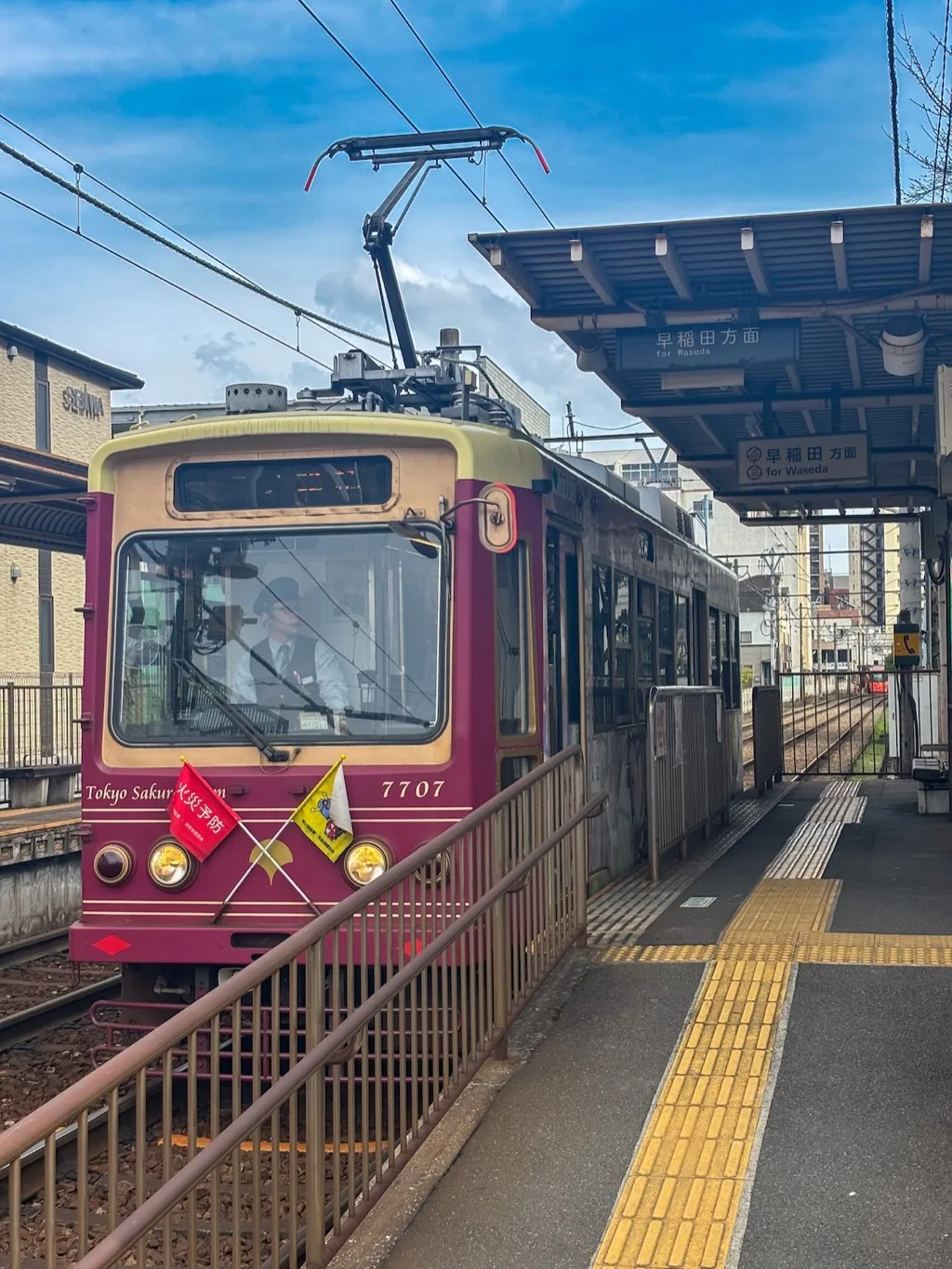
I rode the tram for a few stops. When getting off, I used my Suica card again, which was a mistake—it charged me for the journey twice. The driver immediately stopped me and refunded the money in cash.
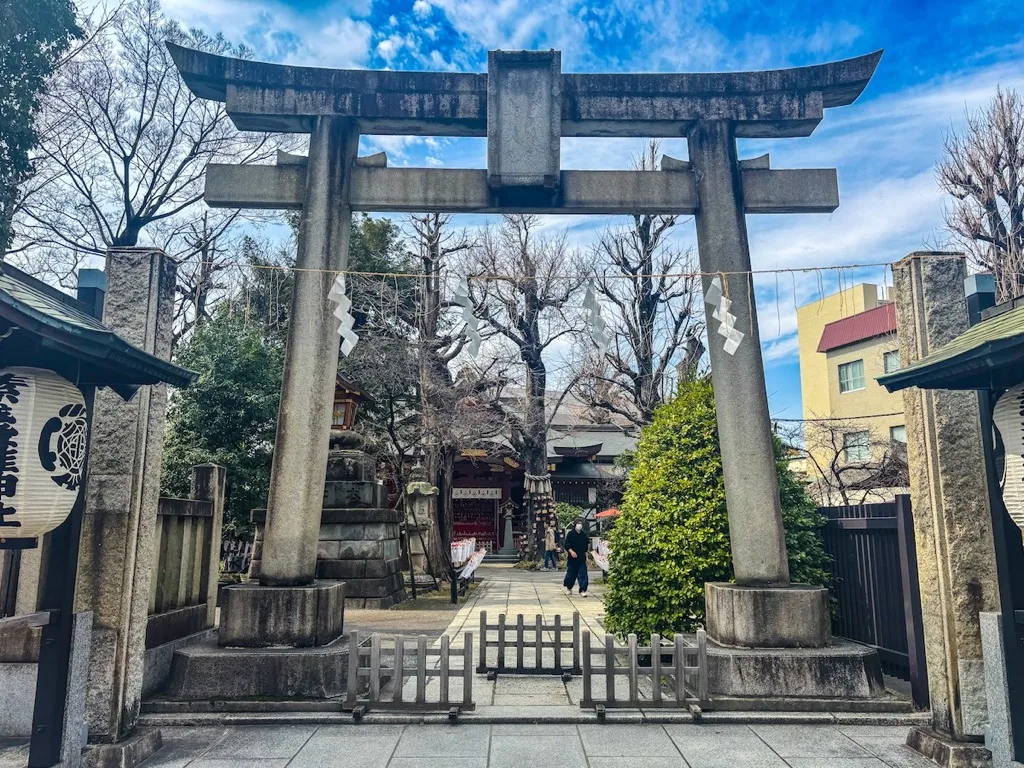
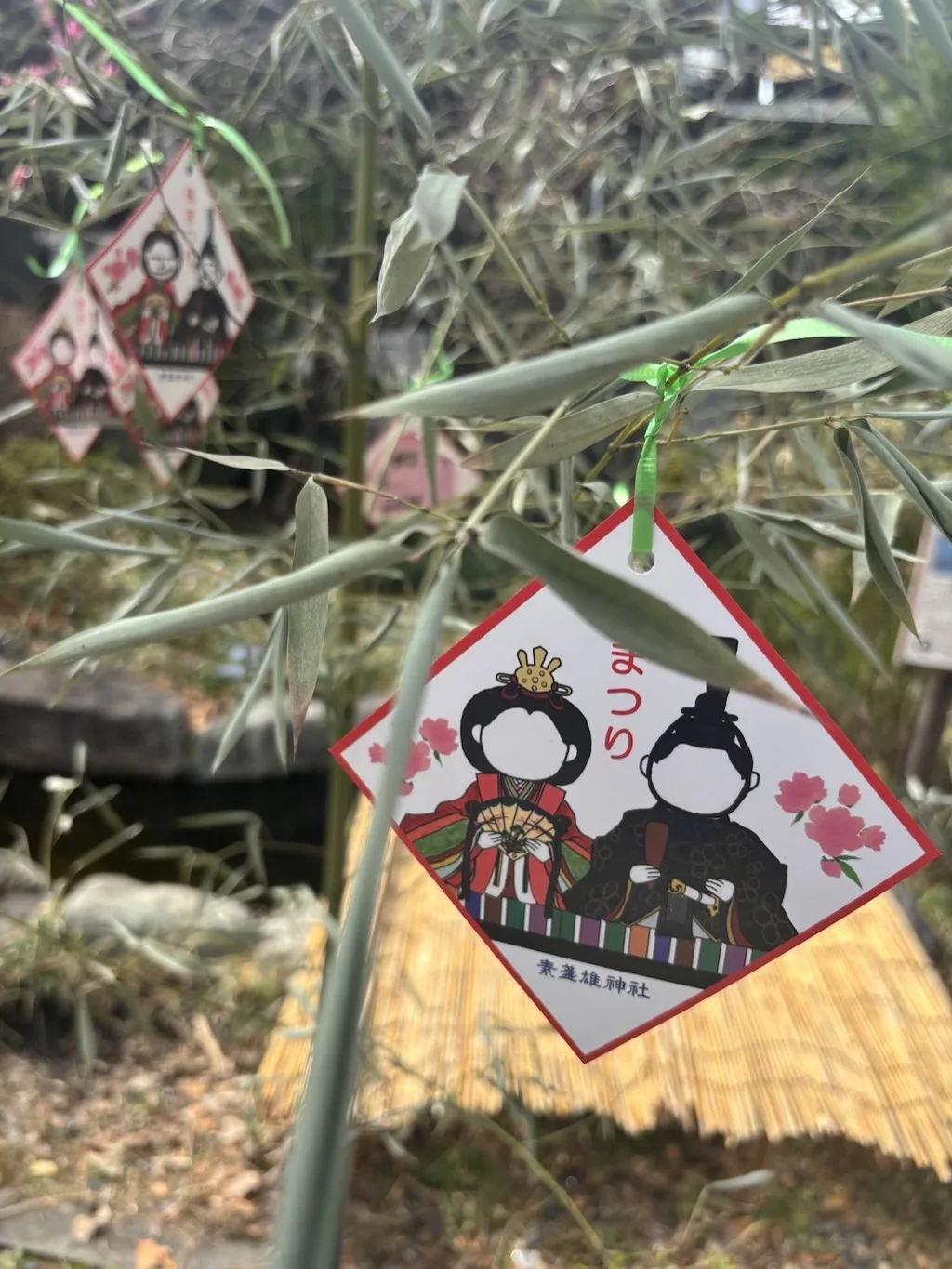
On my way back, I came across Susanoo Shrine, where a peach festival was taking place. For ¥100, I bought a slip of paper, wrote down my wish and hung it on a tree. It may have been the only wish written in Slovak there.
Quiet in Tokyo: temples and shrines
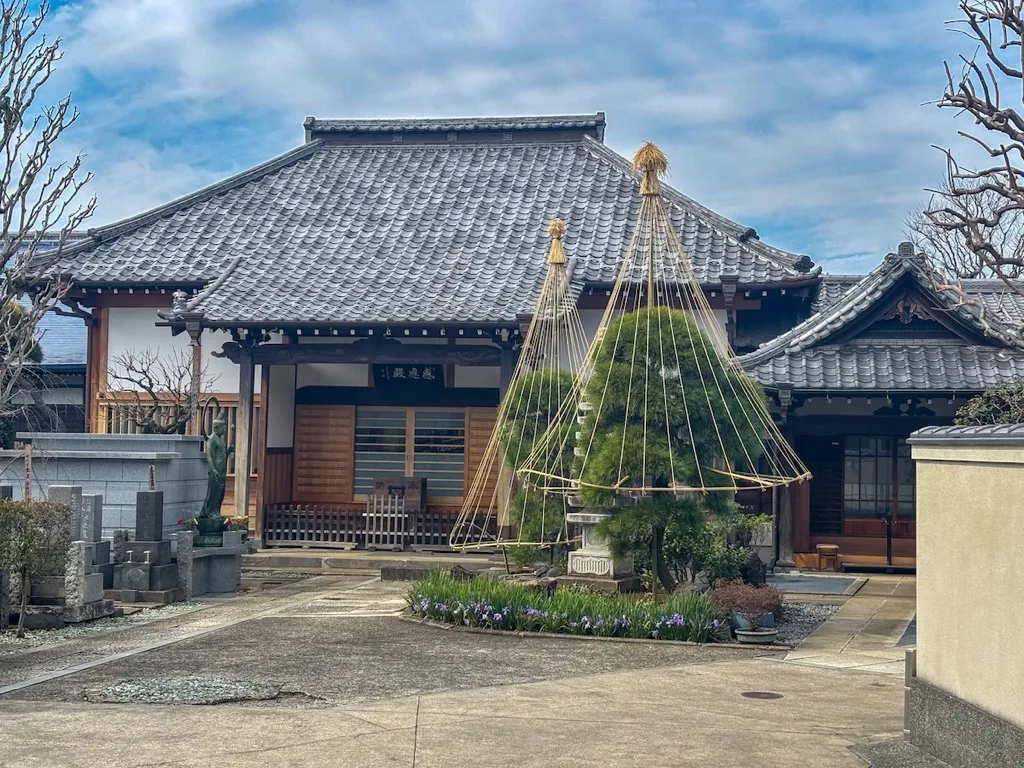
While exploring the area between Nippori Station and Ueno Park, I found temples and shrines that felt like an older, more peaceful Tokyo. At one temple, I was completely alone. There were not merely no tourists; there was nobody there at all.
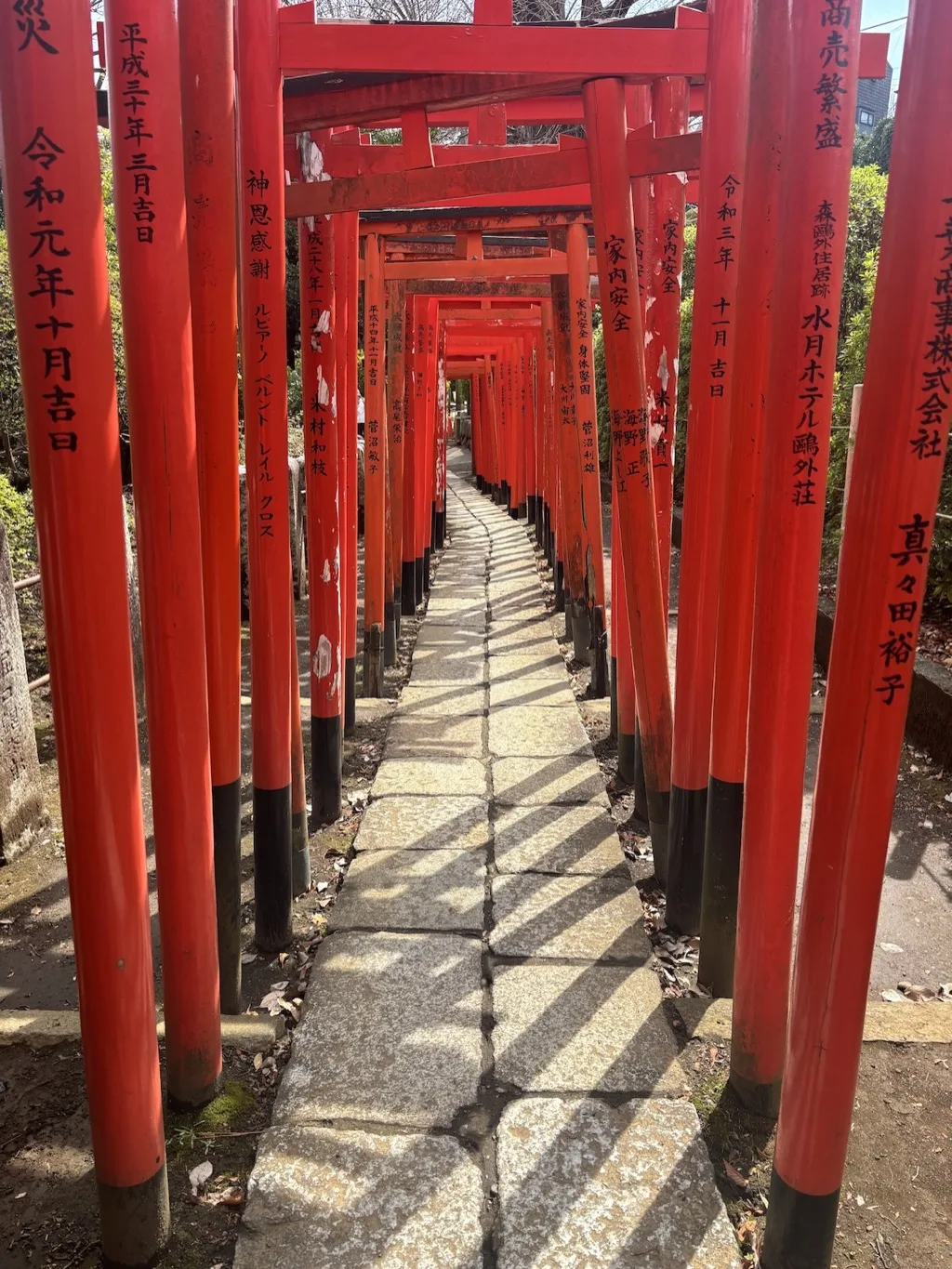
I was particularly drawn to the atmosphere of Nezu Shrine, with its red torii gates resembling those at Fushimi Inari in Kyoto. It was here that I made a special wish to the god of wind.
I often made a wish when visiting Shinto shrines, following the proper ritual that I had already learnt. It occasionally surprised the Japanese people around me. They probably did not expect a foreigner to know what to do.
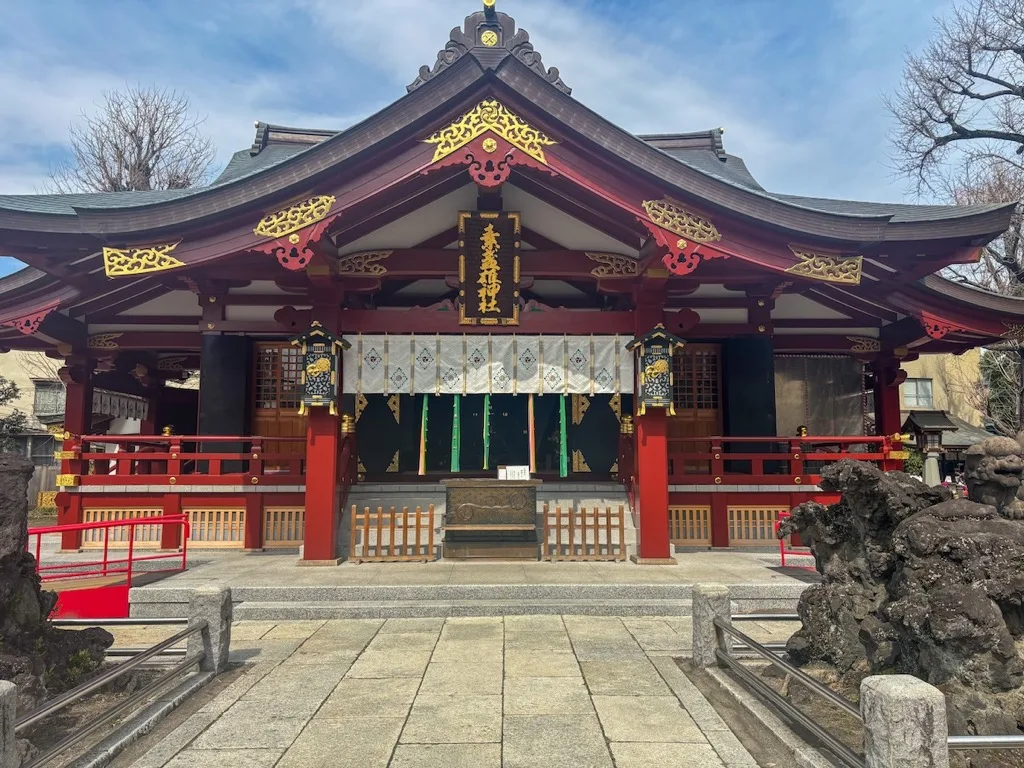
The fire ritual at Fukagawa Fudō-dō Temple
I happened to visit the Buddhist temple Fukagawa Fudō-dō while a fire ritual was taking place. Monks in colourful robes chanted, played drums and fed the flames. I watched in amazement.
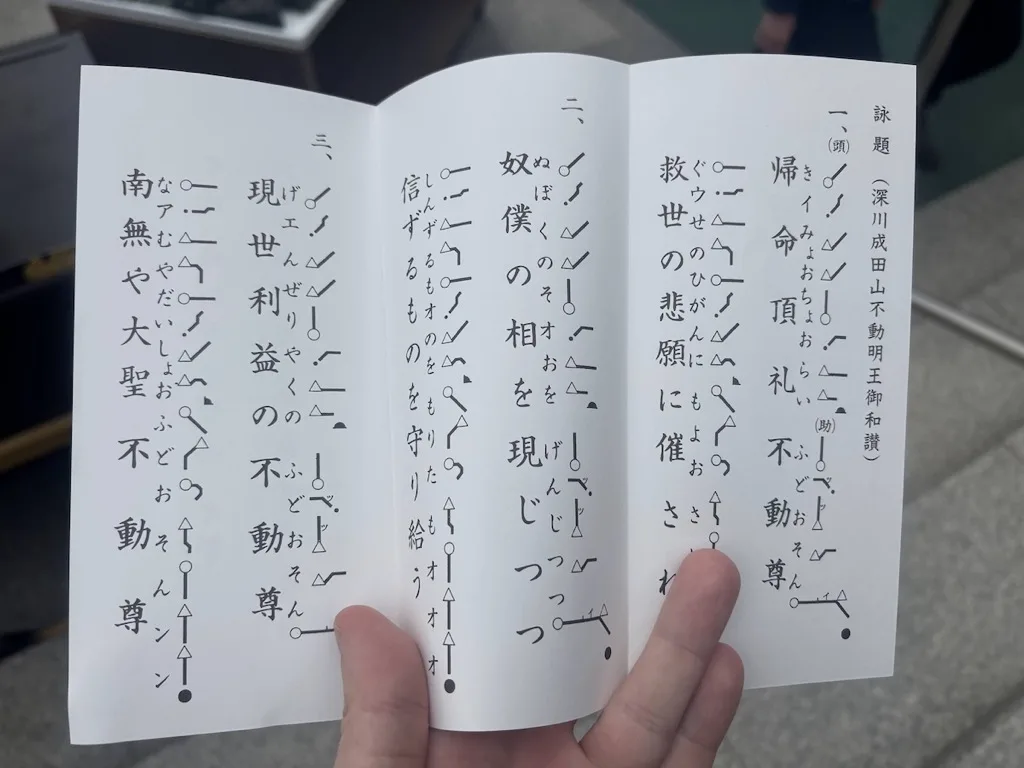
At the end of the ritual, everyone began to sing. One monk handed out sheets with the lyrics. He gave one to me too, even though I was only standing at the back. Perhaps I did not look like an ordinary tourist. Thanks to the hiragana and katakana, I could follow the text, although the symbols indicating the melody were more difficult.
Conclusion
This second visit to Tokyo was completely different from the first. I was no longer a tourist rushing from one attraction to another, but someone enjoying the city in a different way. Daily rituals, discovering lesser-known places and taking quiet walks helped me feel at home there.
This time, I did not merely see Tokyo. I experienced it—and that made all the difference.