A trip to Paris 🇫🇷
Paris is one of Europe’s most visited cities, and I avoided it for a long time because of its enormous number of tourists.
After Stockholm and a combined visit to Liverpool and Manchester, however, I finally decided to go.
Getting from the airport and around Paris
How you reach central Paris naturally depends on the airport at which you land. I arrived at Charles de Gaulle.
The simplest route from Charles de Gaulle is the RER B train. One airport station serves Terminal 2 and another serves Terminals 1 and 3.
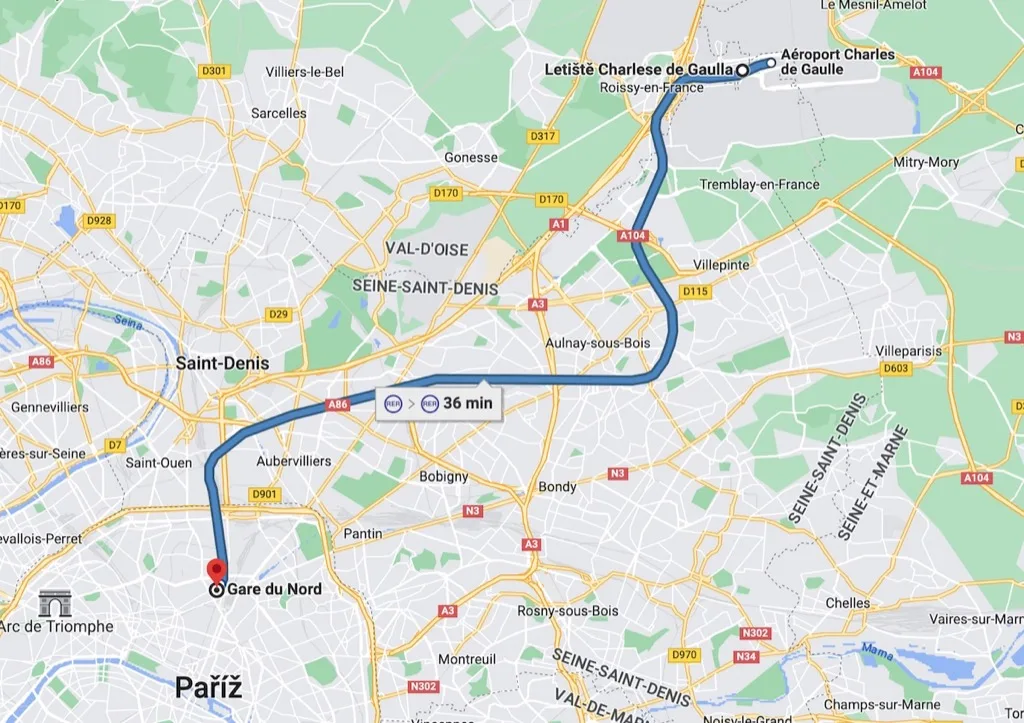
The train to Gare du Nord takes around half an hour, and a ticket for the journey is available from airport machines. It also allows you to change to the Metro at Gare du Nord.
You can use individual tickets around Paris, but it is more convenient to buy an anonymous Navigo Easy card and load tickets onto it. Loading ten at once also provides a worthwhile discount.
A single ticket allows transfers only within the Metro without leaving the station; it cannot be used to transfer to a bus.
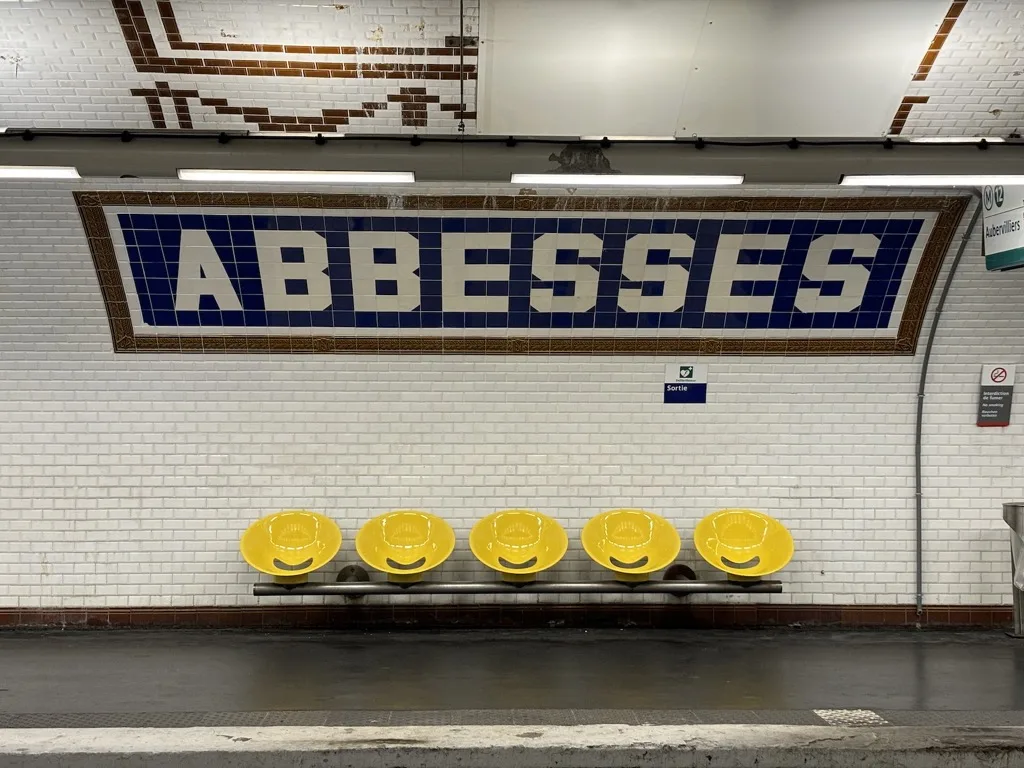
If you are staying for about a week, the best option is Navigo Découverte. It is valid for a specific calendar week from Monday to Sunday and provides unlimited travel throughout Paris, including the zones containing the airport and Versailles, at an attractive price. It is not anonymous, however, and you need a photograph to buy one.
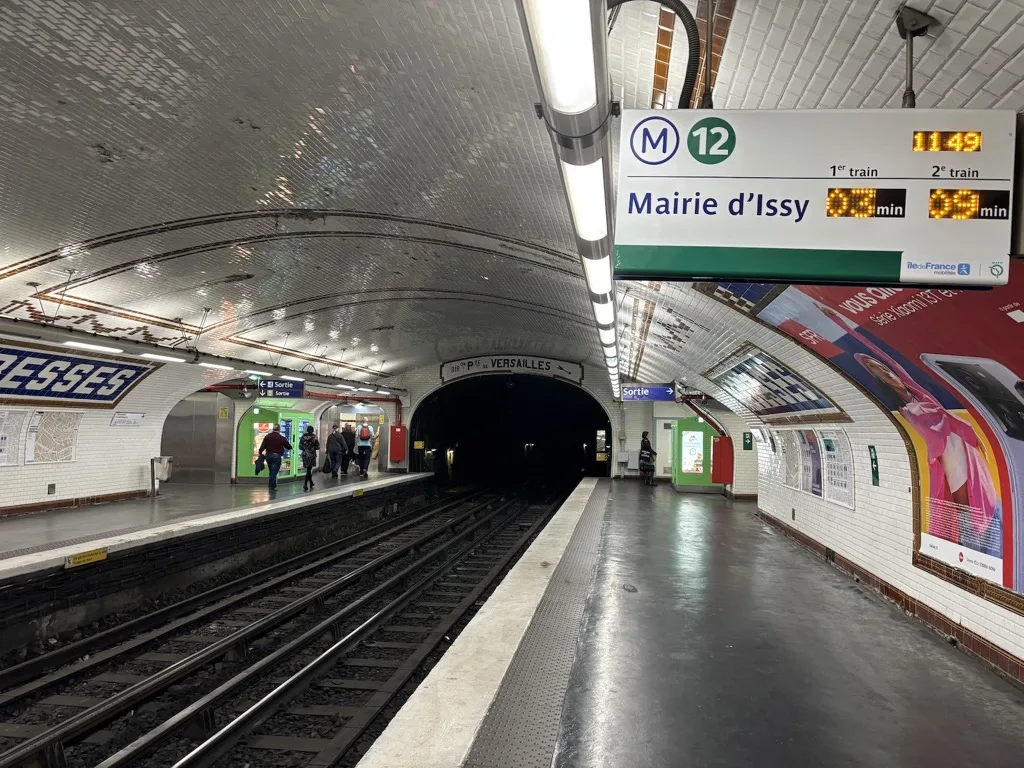
Both Navigo Easy and Navigo Découverte are available at Charles de Gaulle Airport and large stations such as Gare du Nord.
The Île-de-France Mobilités app can plan journeys.
French food
French cuisine is famous around the world, and Paris has a great many good restaurants and bistros.
For something slightly unusual, try frogs’ legs,
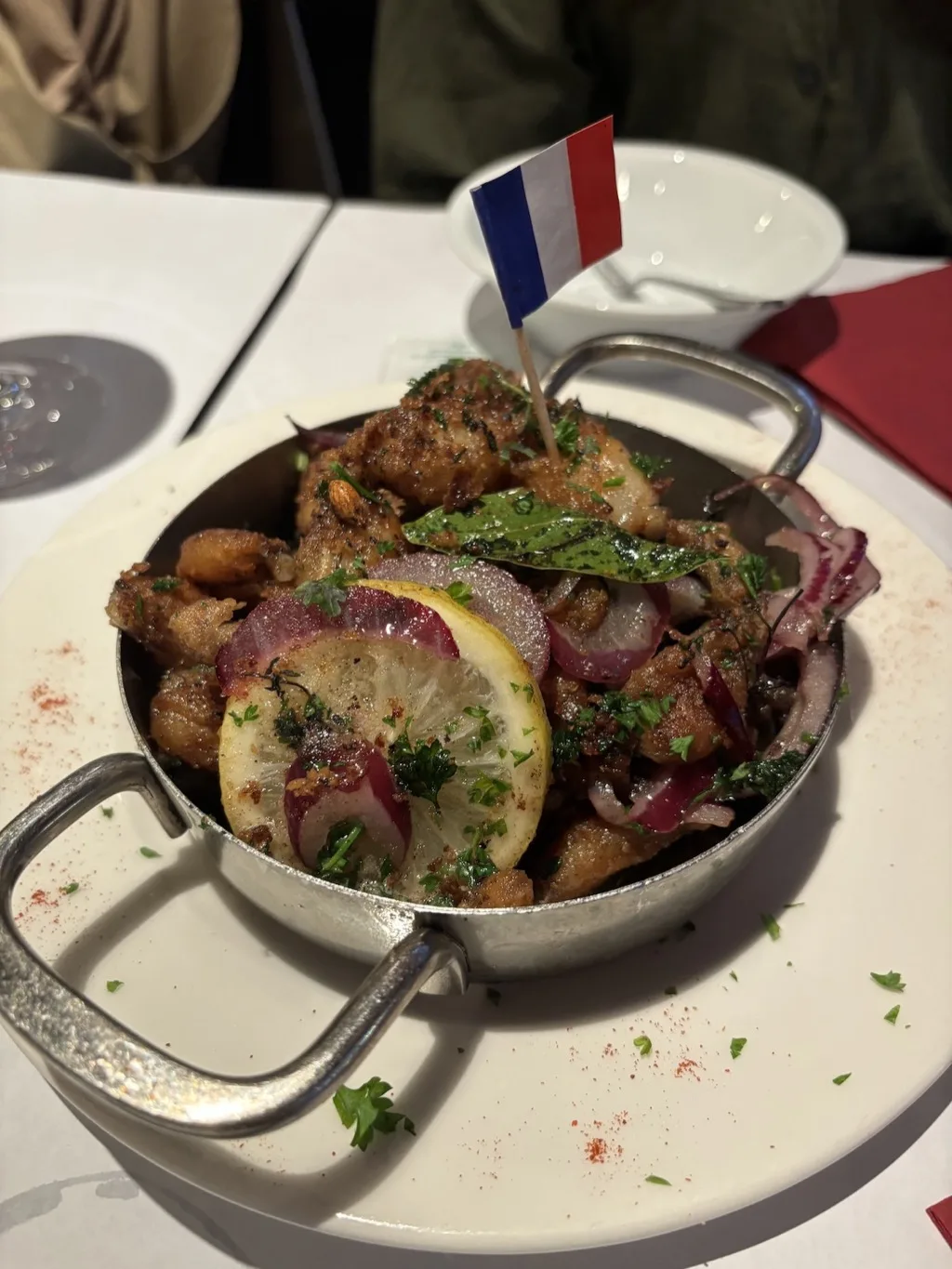
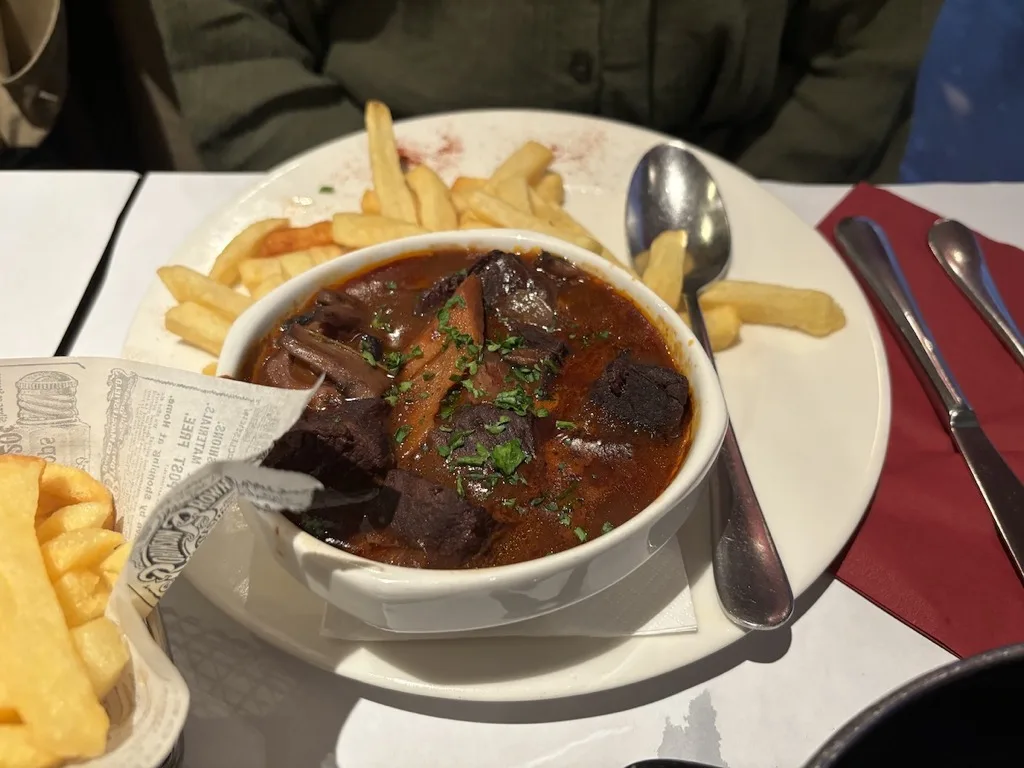
or for a classic, beef bourguignon.
Among sweet dishes, French crêpes are certainly worth trying.
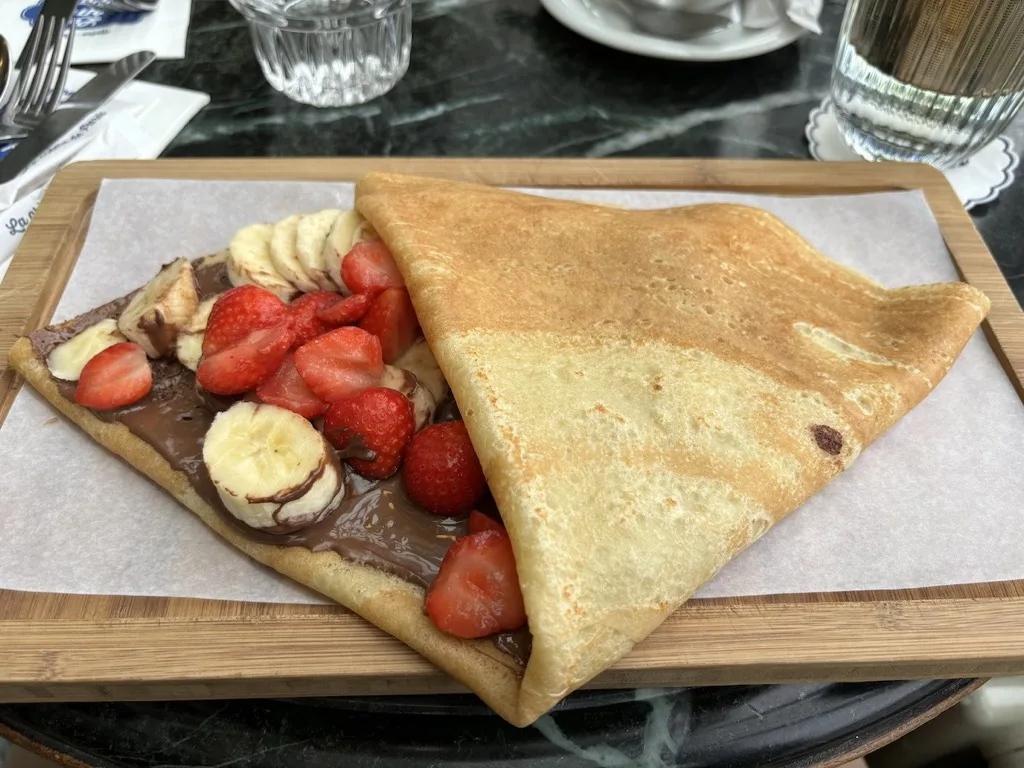
If you are in Montmartre, stop at Un Zèbre à Montmartre.
Montmartre and Sacré-Cœur
Montmartre is the most interesting part of Paris for me. It sits on a hill north of the centre and the Seine.
Historically, it was known particularly as a home for poorer residents and many artists, including Pablo Picasso.
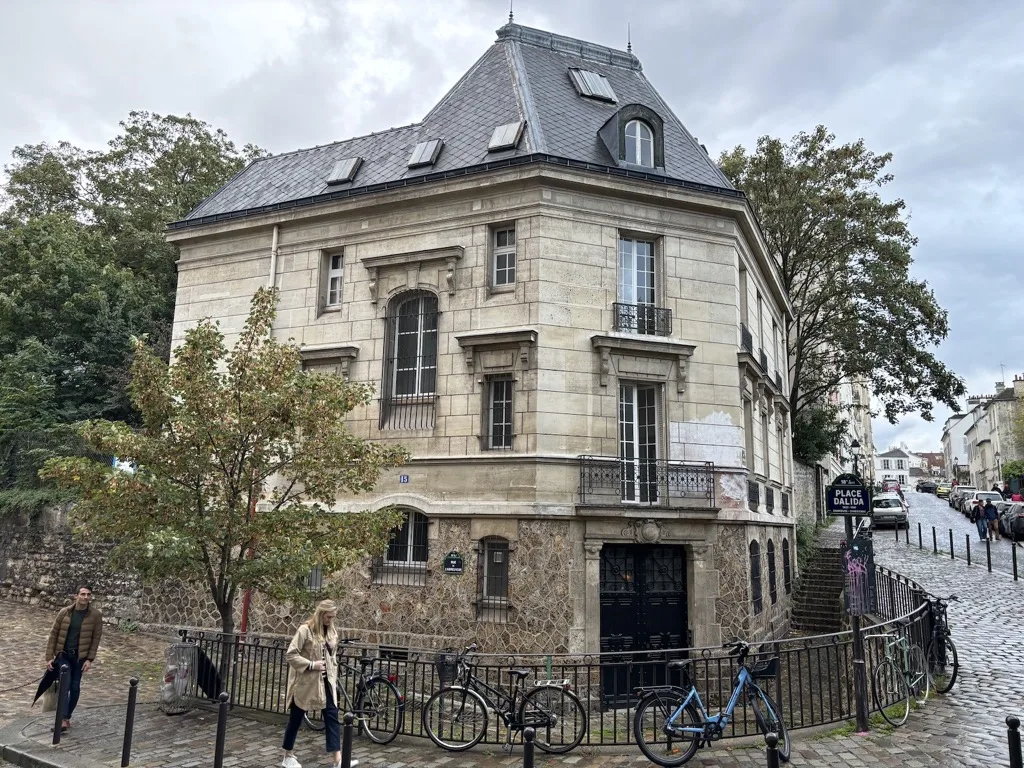
The district also contains the Moulin Rouge, close to the café used in the film Amélie.
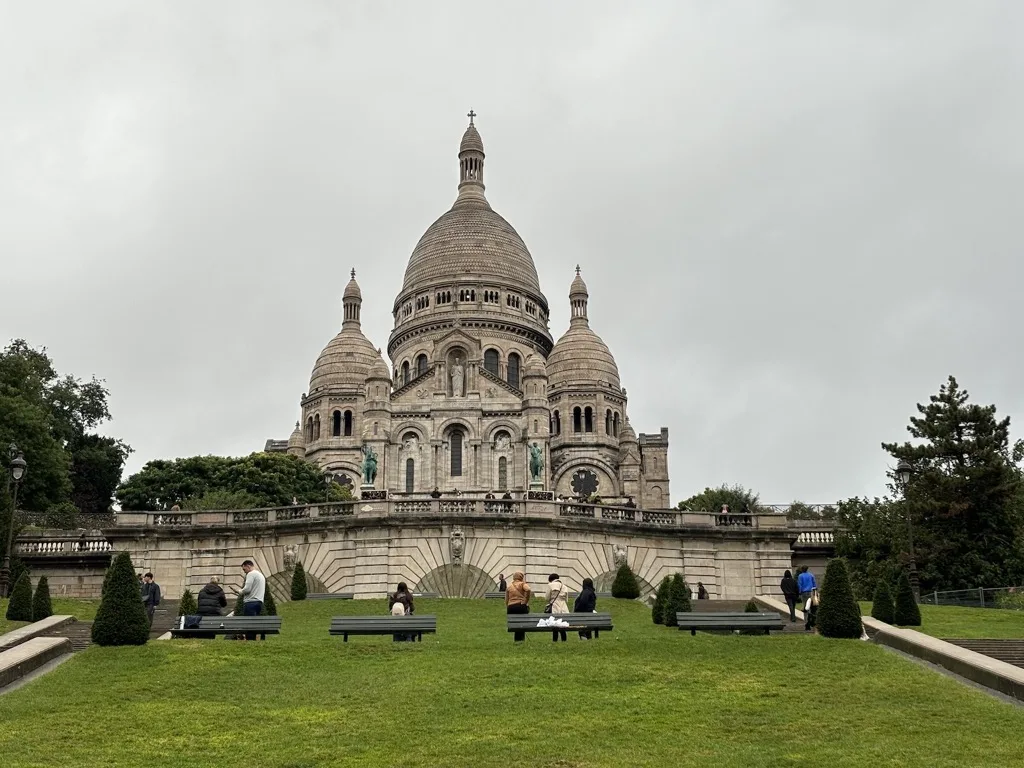
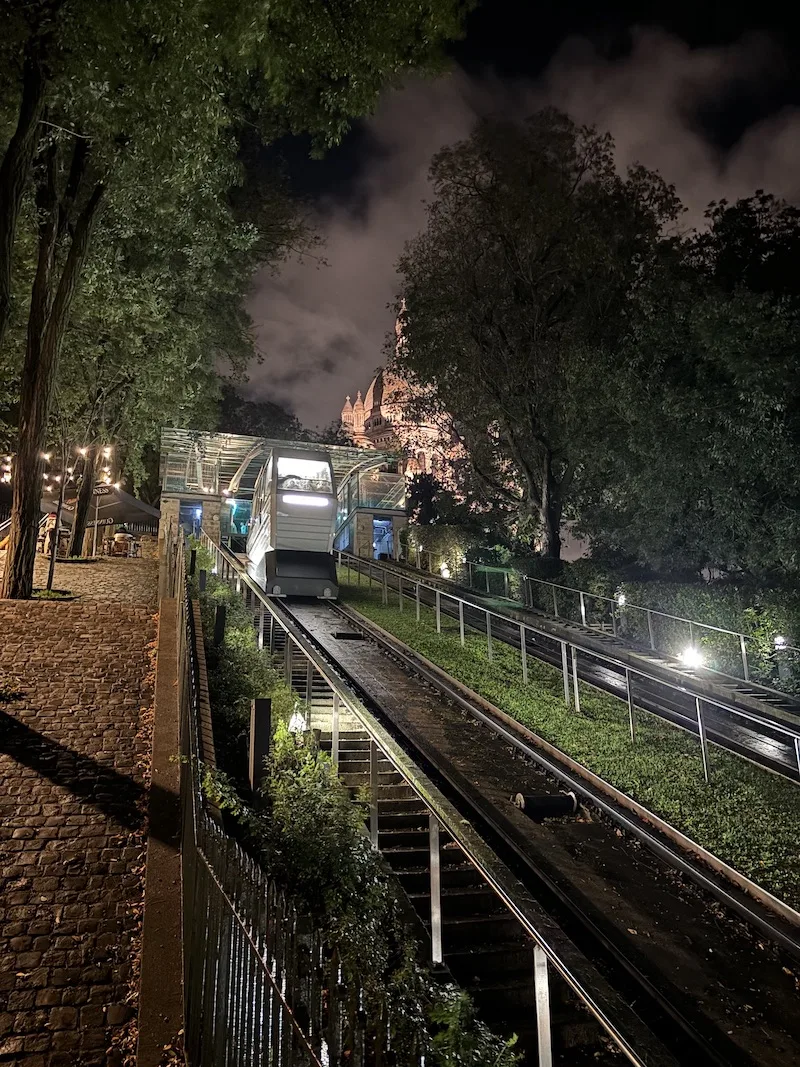
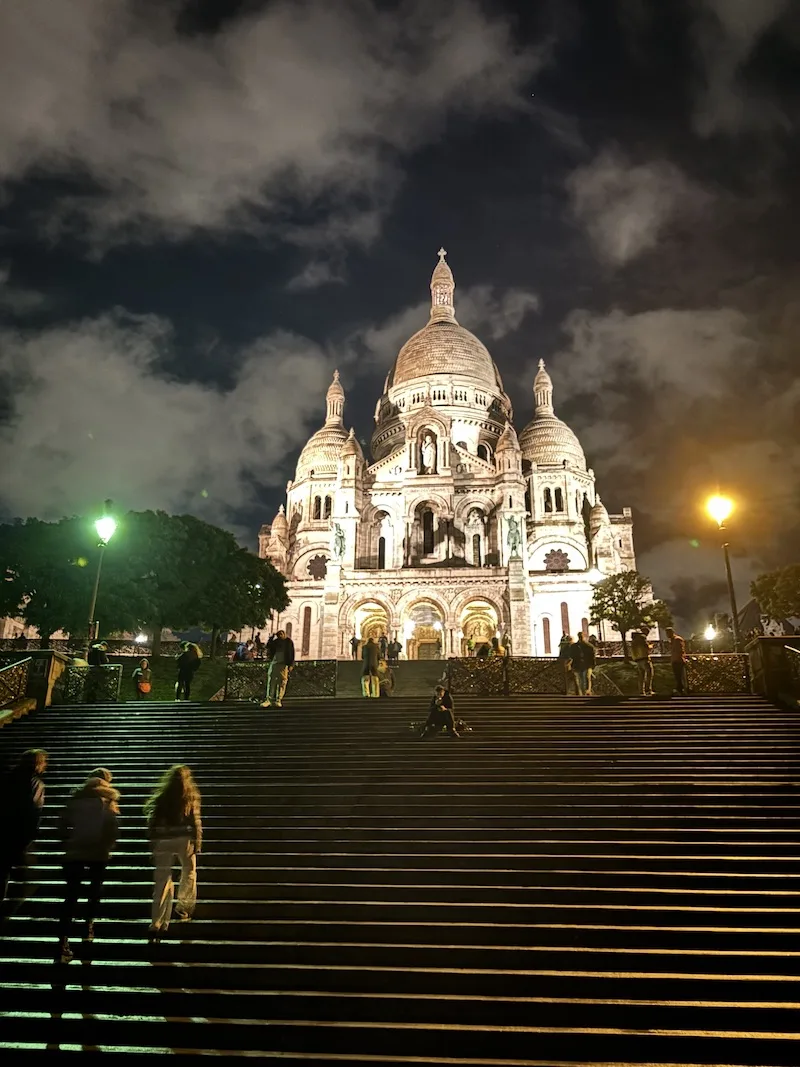
Montmartre’s defining landmark is the Sacré-Cœur Basilica, which I consider one of Paris’s most beautiful buildings. It is made from white limestone with an interesting property: rain and sunlight clean the stone, keeping the basilica white even after 150 years.
 |
 |
A standard ticket is valid on the funicular, so you can use Navigo Easy or Navigo Découverte.
On foot, you can climb the steps or walk through the park, which offers an excellent view of Paris by day and night.
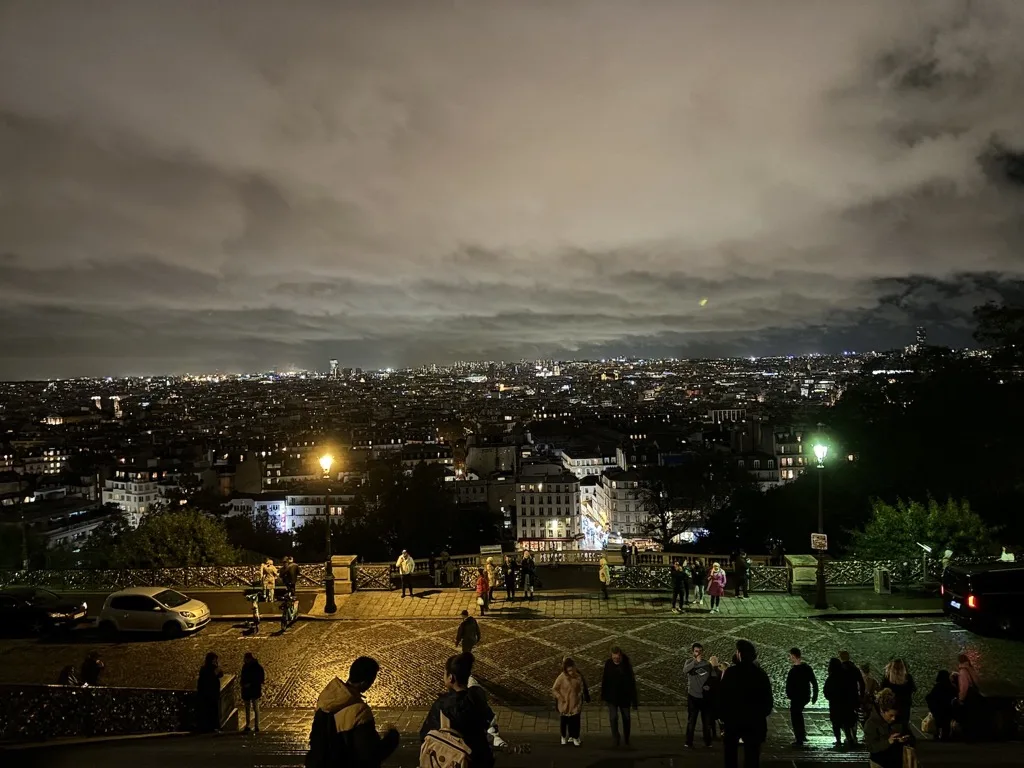
For a better orientation and an introduction to the area’s history, I recommend the Montmartre free walking tour.
Eiffel Tower
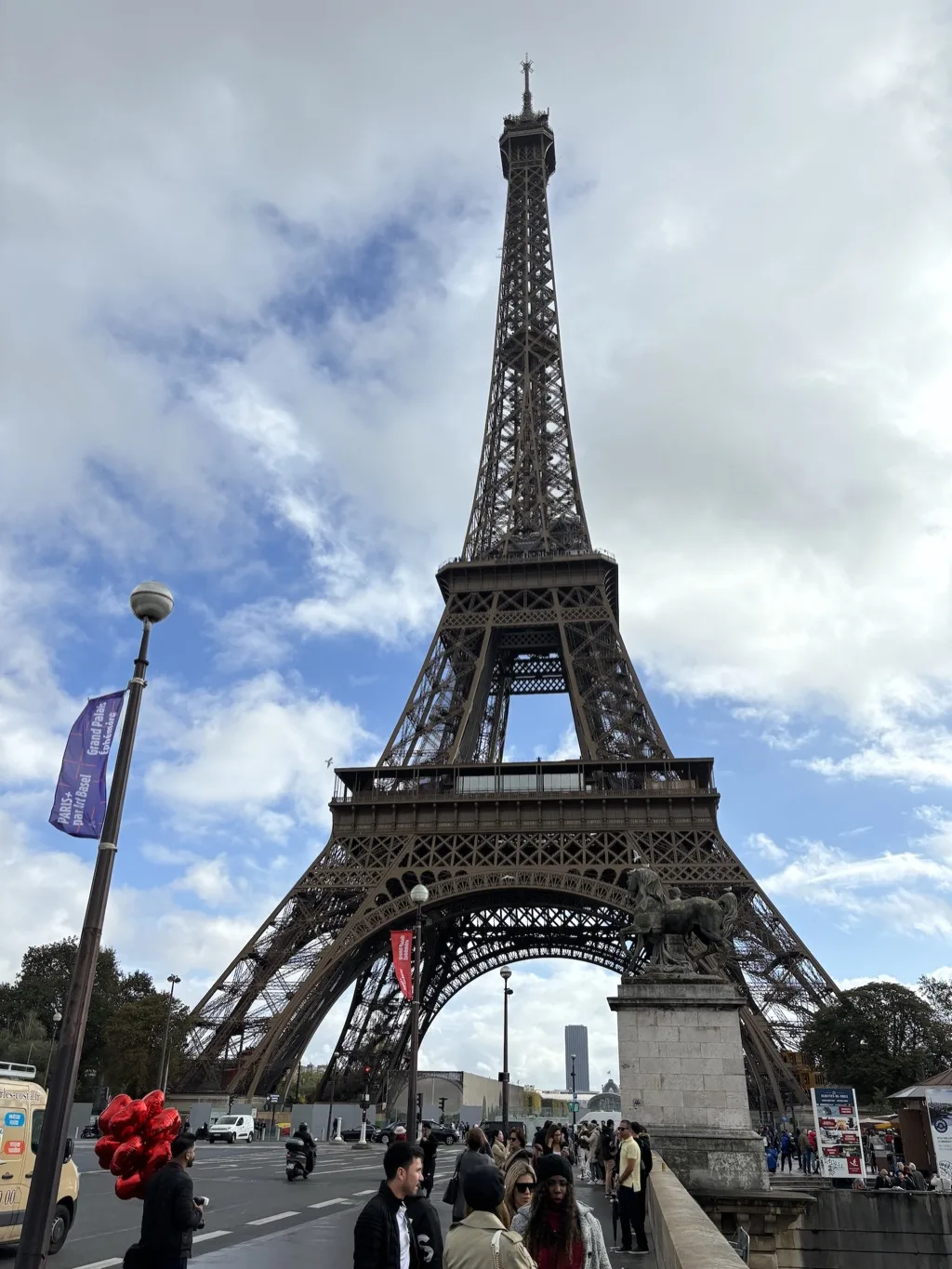
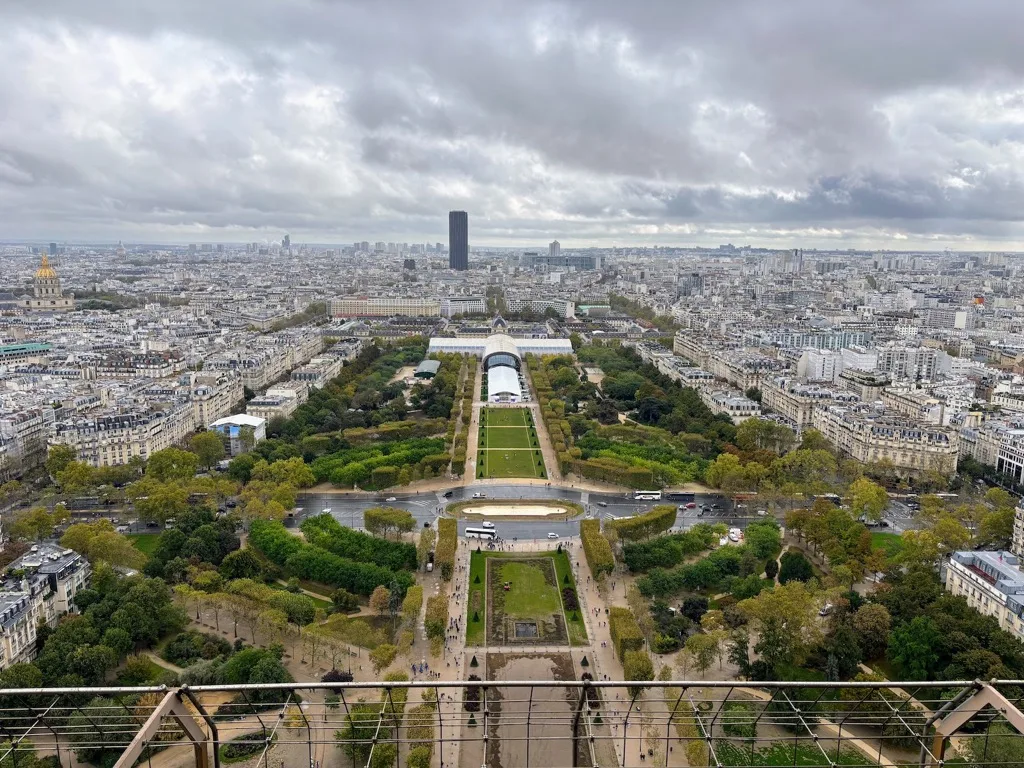
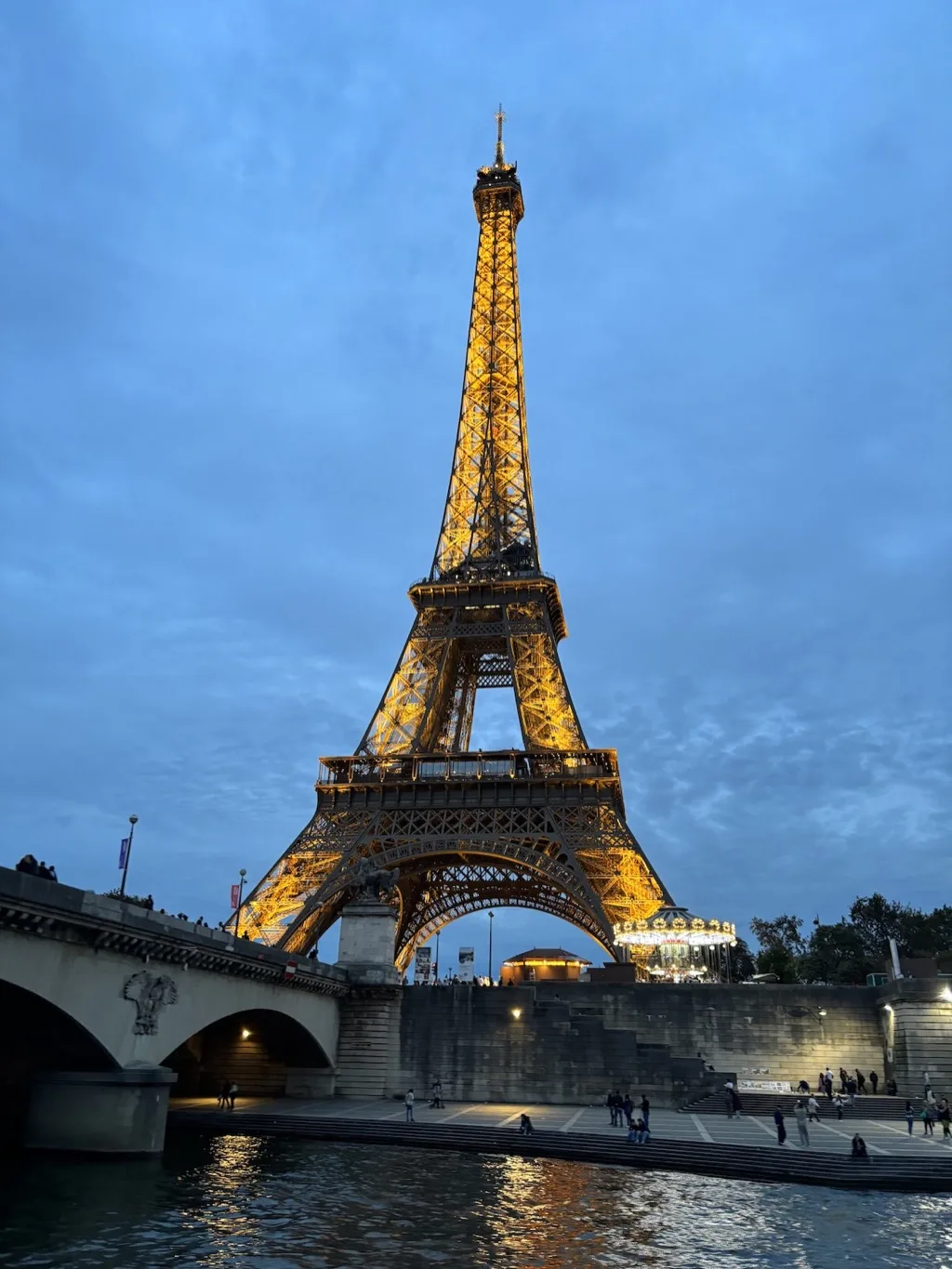
The Eiffel Tower is probably Paris’s best-known landmark and certainly worth visiting.
Tickets can be bought online, but doing so requires patience. The official website works very poorly, with problems ranging from seemingly random ticket availability to card-payment failures. I could not buy tickets online and had to queue.
 |
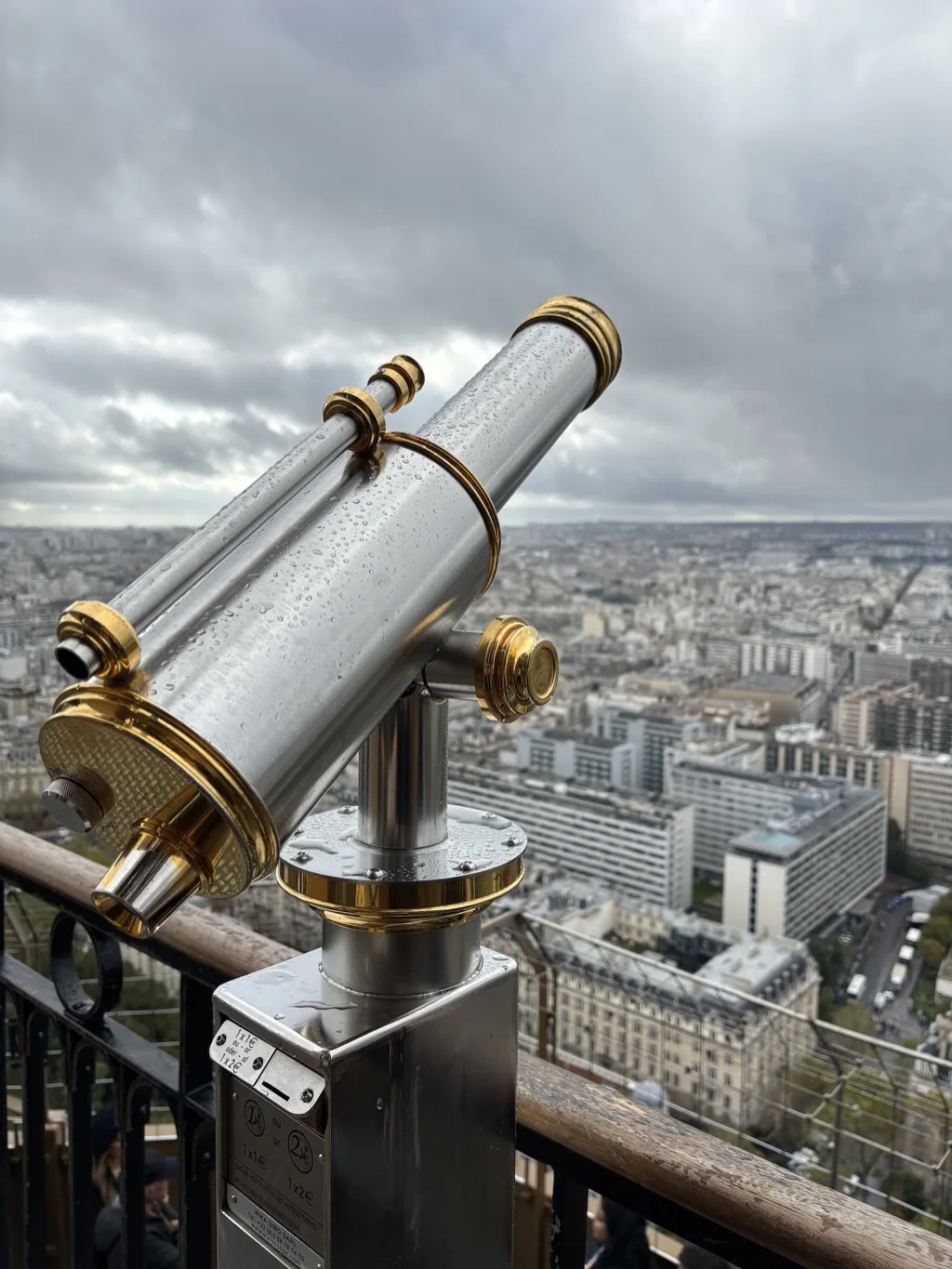 |
Ticket queues are usually long, although relatively few people were waiting on a rainy day. Only tickets to the second floor were available, not to the summit.
The Louvre
When someone mentions a museum in Paris, most people probably imagine the Louvre in the city centre.
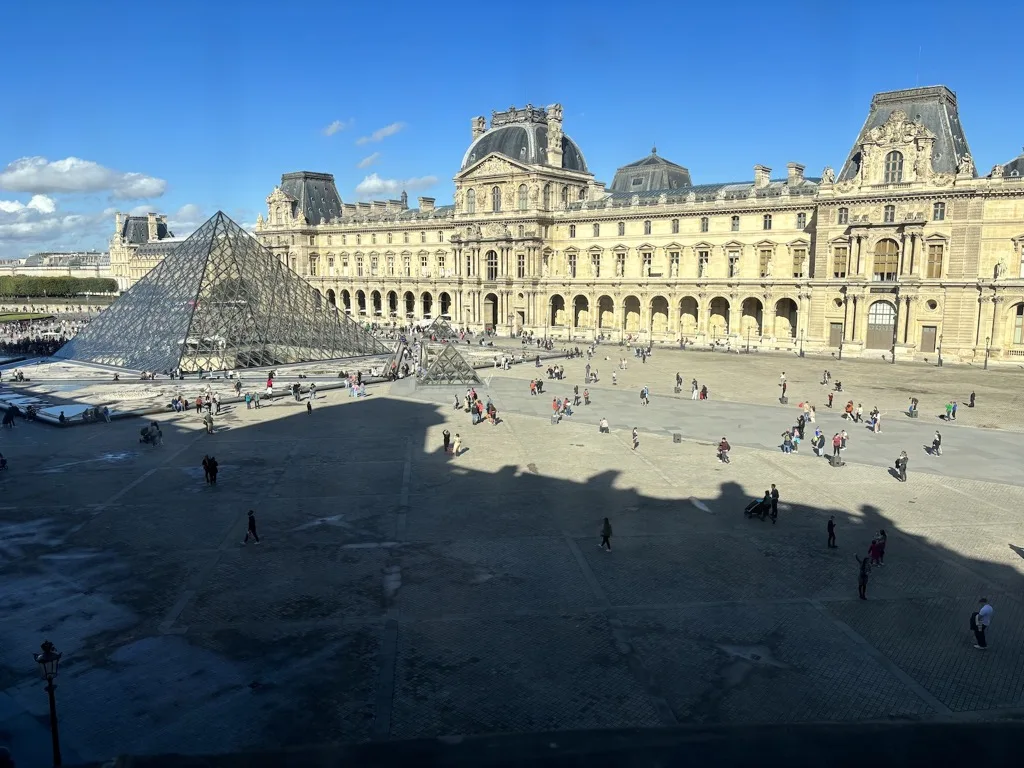
Unlike Eiffel Tower tickets, Louvre admission can easily be bought online without booking far in advance.
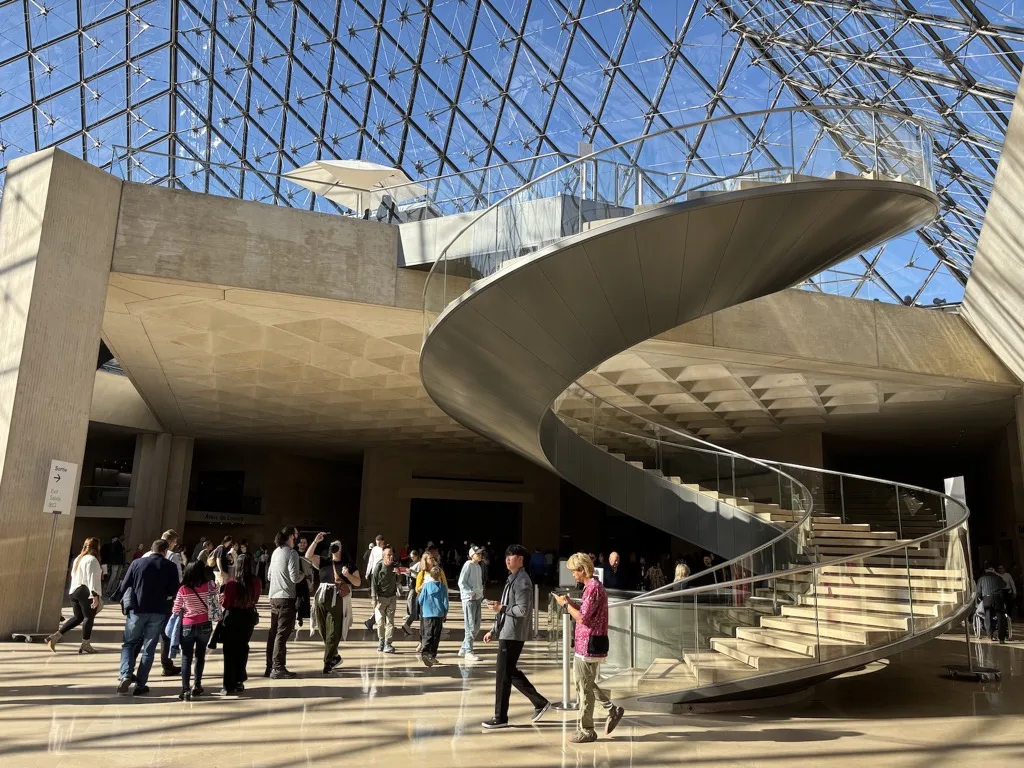
With an online ticket, you do not have to use the main entrance beneath the pyramid. You can enter through the Carrousel du Louvre shopping centre directly beside the Metro, where queues appeared shorter.
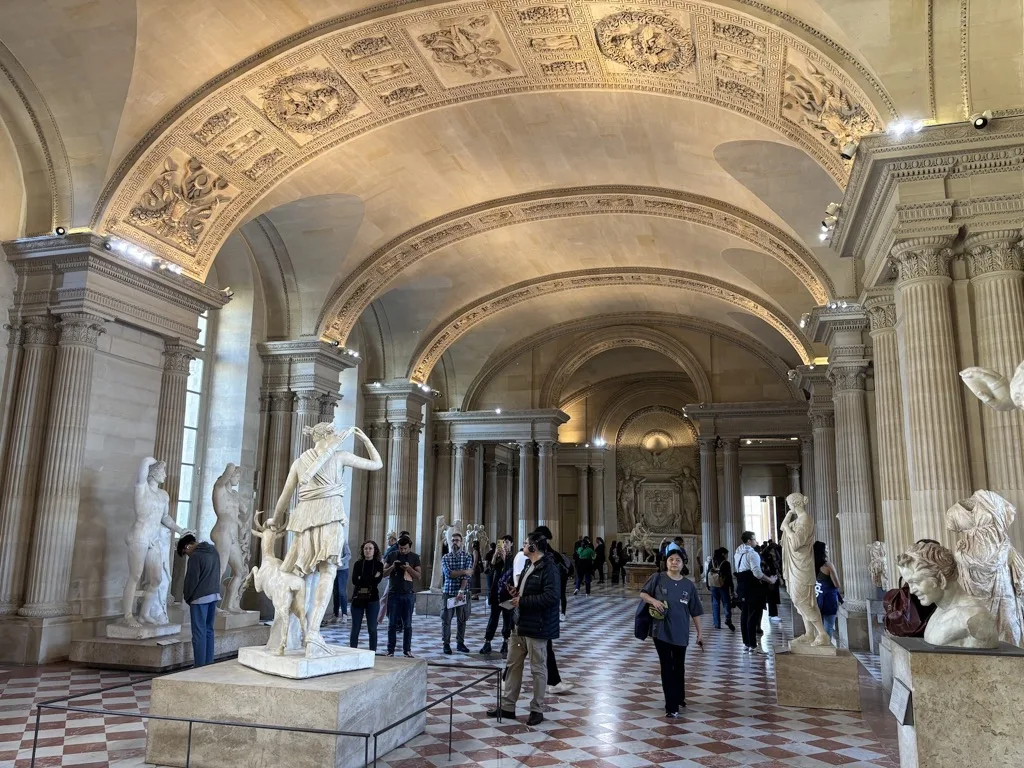
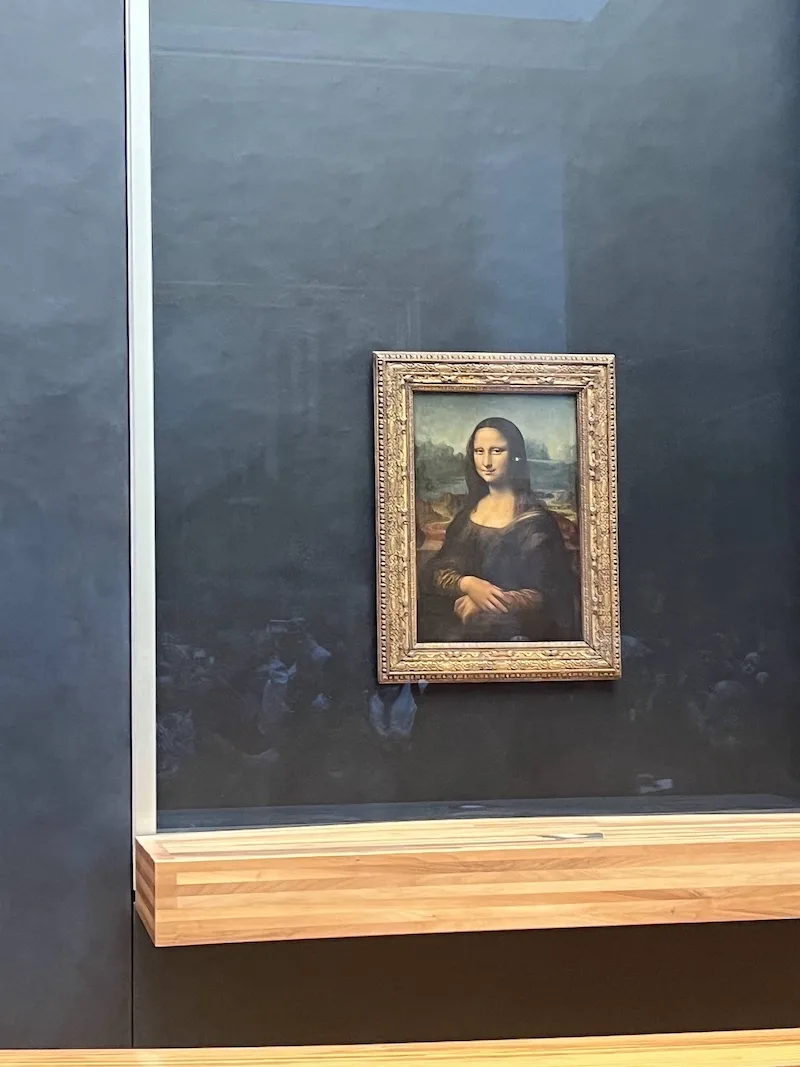
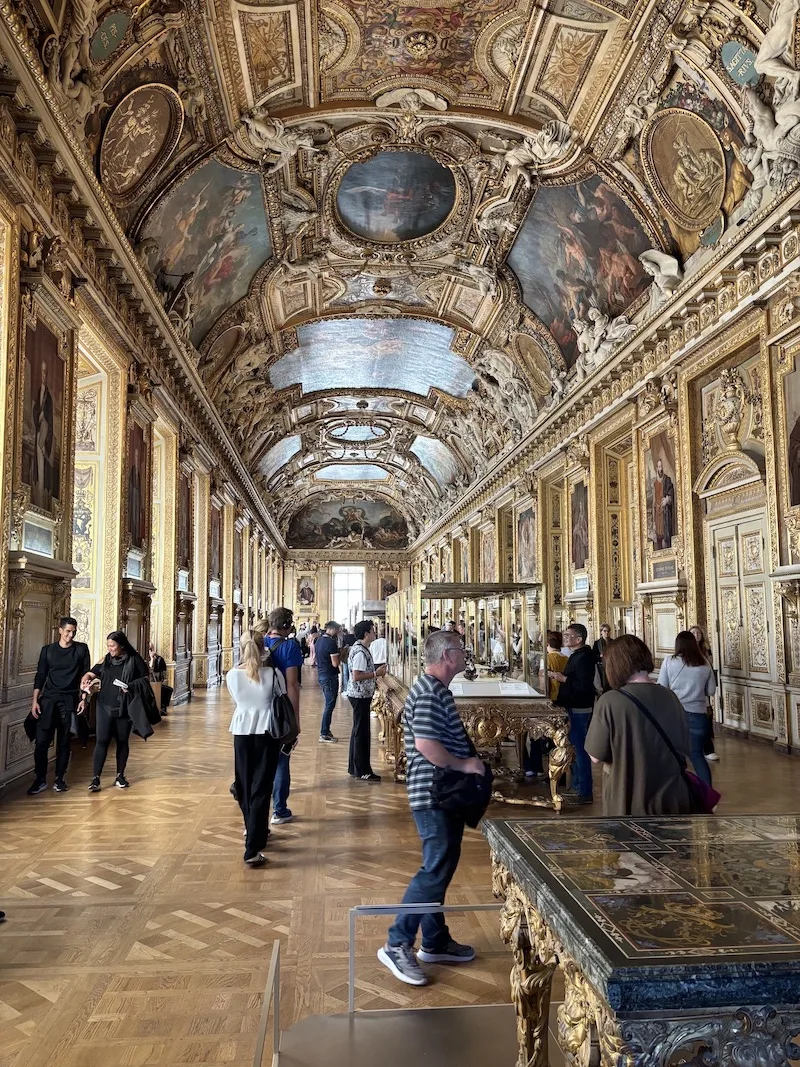
The Louvre is vast, with around 16 kilometres of accessible corridors, so expecting to see all of it in one visit is unrealistic. The longest queue is always for the Mona Lisa.
 |
 |
The museum website offers suggested visitor trails based on how much time you want to spend.
Sainte-Chapelle and Notre-Dame
Paris’s history began on the Île de la Cité, an island in the Seine near the centre of the present city.
Today it contains some of Paris’s most visited landmarks, including Sainte-Chapelle and Notre-Dame Cathedral.
Sainte-Chapelle is a 13th-century Gothic chapel built to house Christian relics. It contains more than a thousand stained-glass panels, each telling a story.
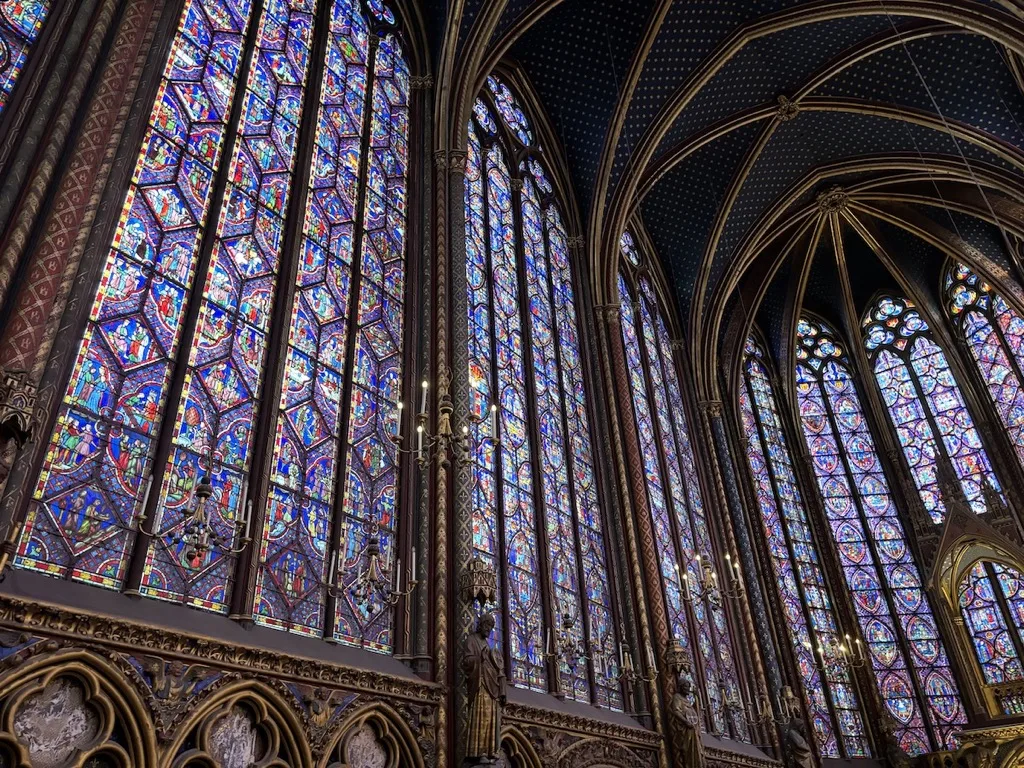
Buying tickets online can reduce the wait at its entrance.
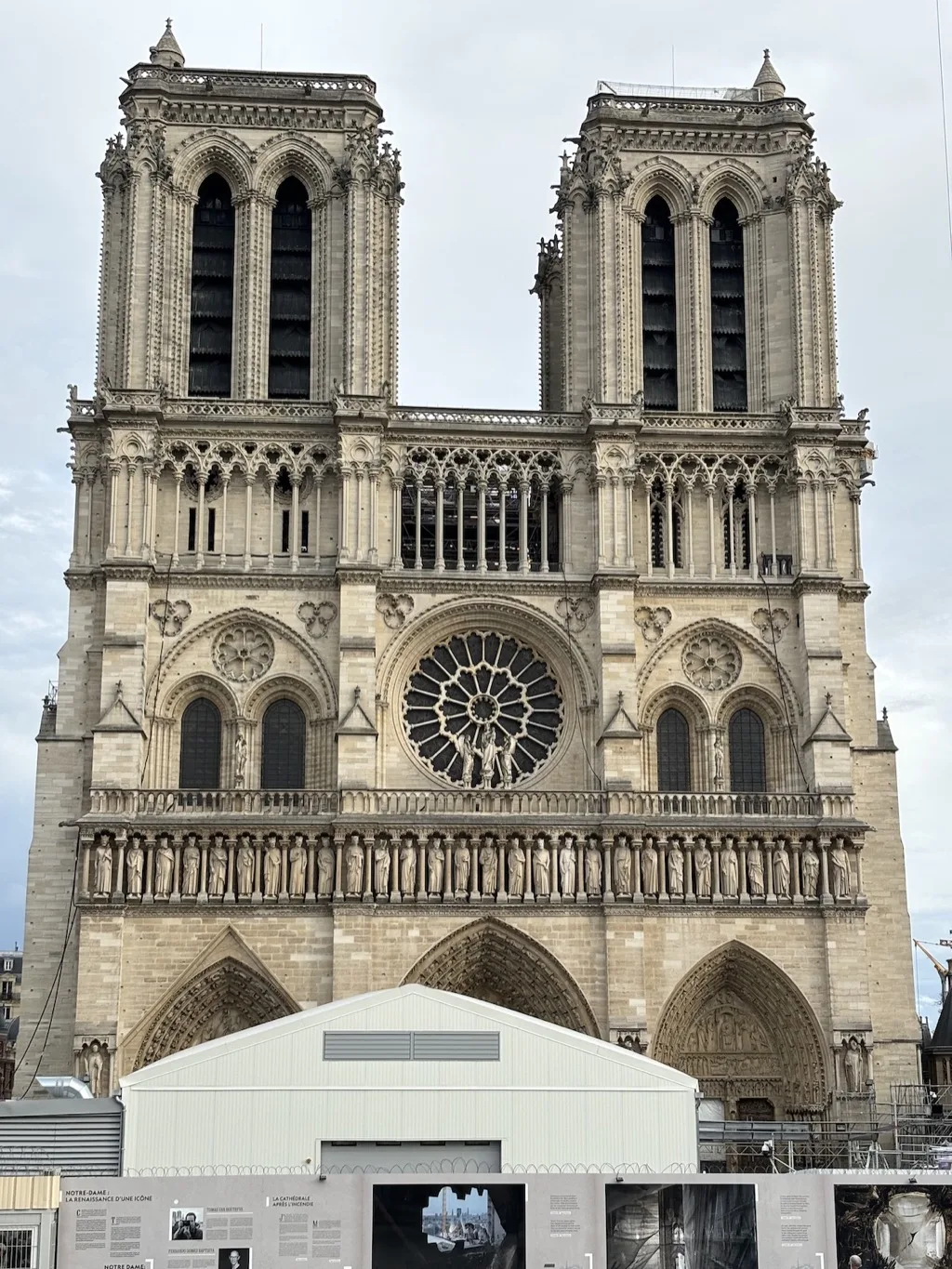
A short distance away stands 12th-century Notre-Dame. At the time of this visit, it had been closed since the 2019 fire and could be viewed only from outside. It was expected to reopen after reconstruction in late 2024.
A cruise on the Seine
A Seine cruise is among Paris’s popular tourist attractions. Several companies offer trips on different kinds of boats.
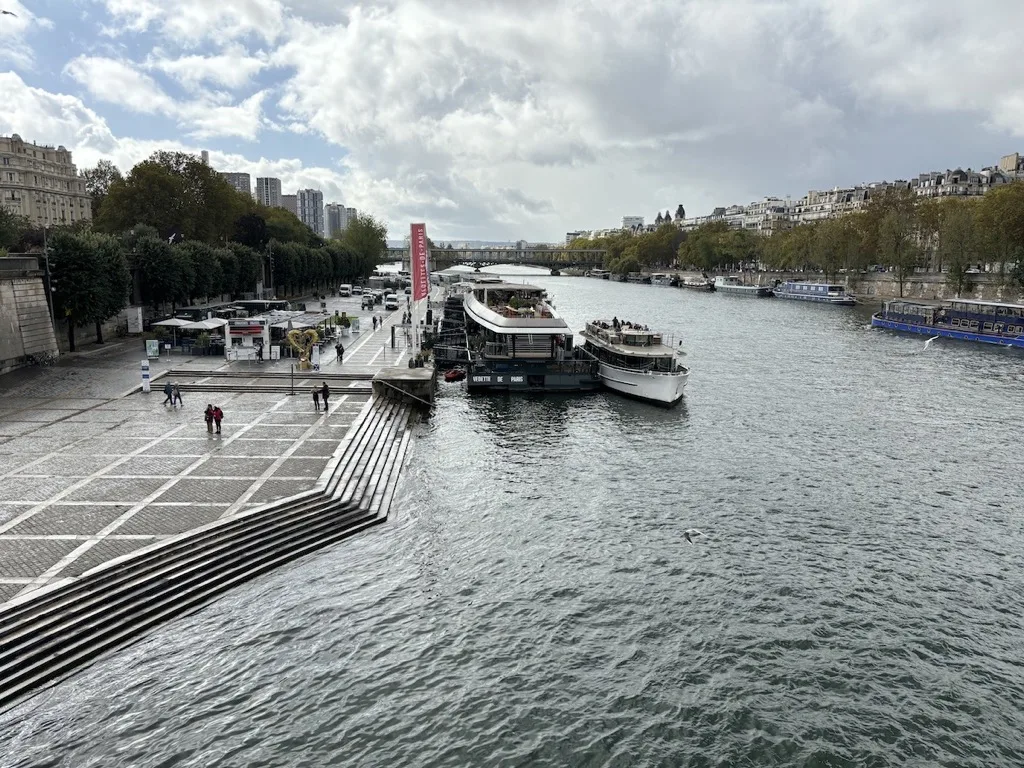
For example, boats operated by Vedettes du Pont Neuf depart every half hour from Pont Neuf towards the Eiffel Tower, which is illuminated after dark.
The Latin Quarter
The Latin Quarter lies on the Seine’s southern bank opposite the Île de la Cité.
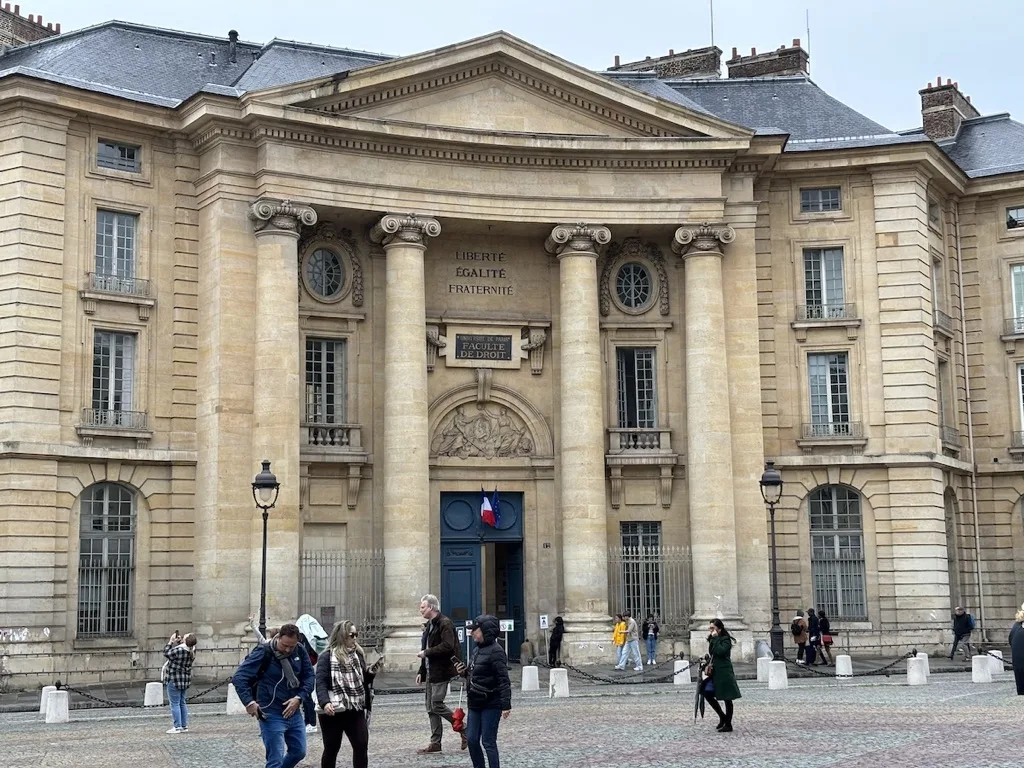
Its name comes from the many students who historically lived there and spoke Latin. The district contains the famous Sorbonne University.
Immediately after crossing the Seine, you may notice a long queue for Shakespeare and Company. It is a fascinating and historically important bookshop that, for example, first published James Joyce’s Ulysses.
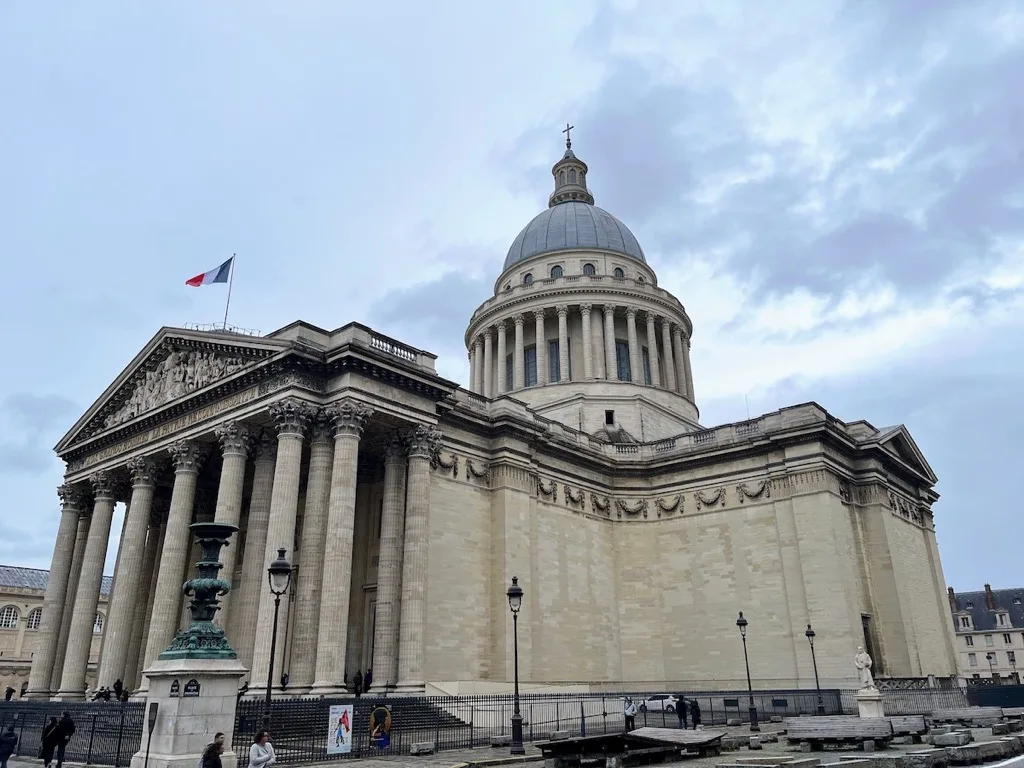
Near the Sorbonne stands the Panthéon, originally a church built by Louis XV and later a burial place for important figures in French history.
To discover the neighbourhood, I recommend a Latin Quarter free walking tour.