A trip to Stockholm 🇸🇪
Because I do not particularly like hot weather, I decided to visit another Nordic country during the summer.
I chose Sweden again, but this time Stockholm rather than Malmö, which I had visited several years earlier.
Getting from the airport and around Stockholm
The simplest, fastest and also most expensive way to reach Stockholm from Arlanda Airport is the Arlanda Express, which takes you directly from the airport to the city centre in under 20 minutes.
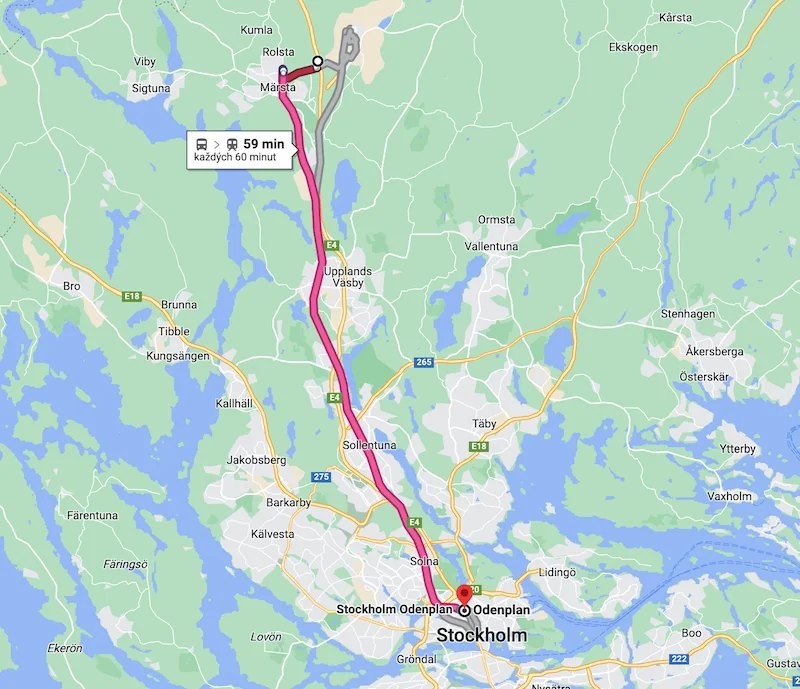
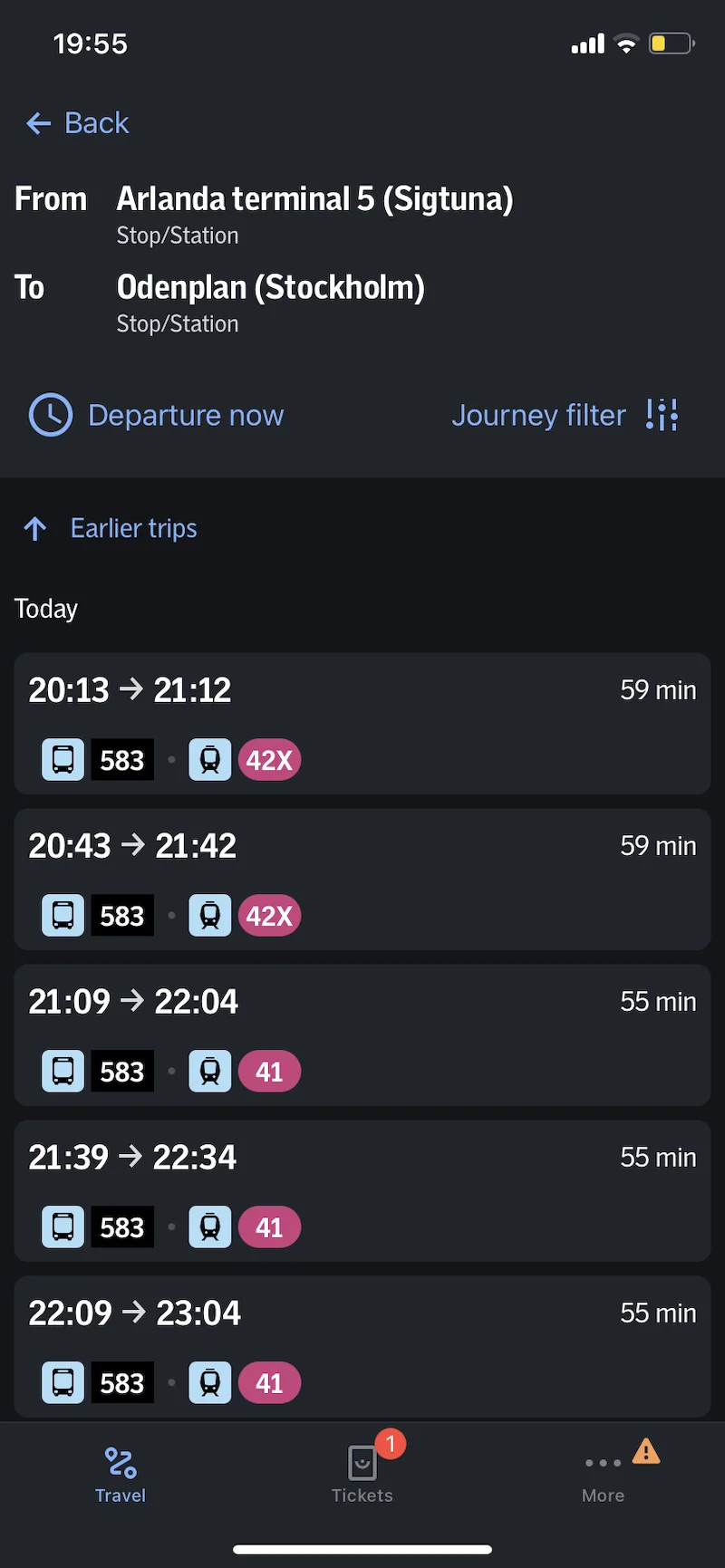
The alternative is ordinary public transport. A single ticket valid for 75 minutes covers the journey to central Stockholm, although it takes about an hour and involves a bus from the airport to Märsta followed by a train.
If you are spending several days in Stockholm, a 72-hour or weekly ticket will probably be worthwhile. It covers the slower journeys to and from the airport as well as buses and the metro throughout Stockholm.
 |
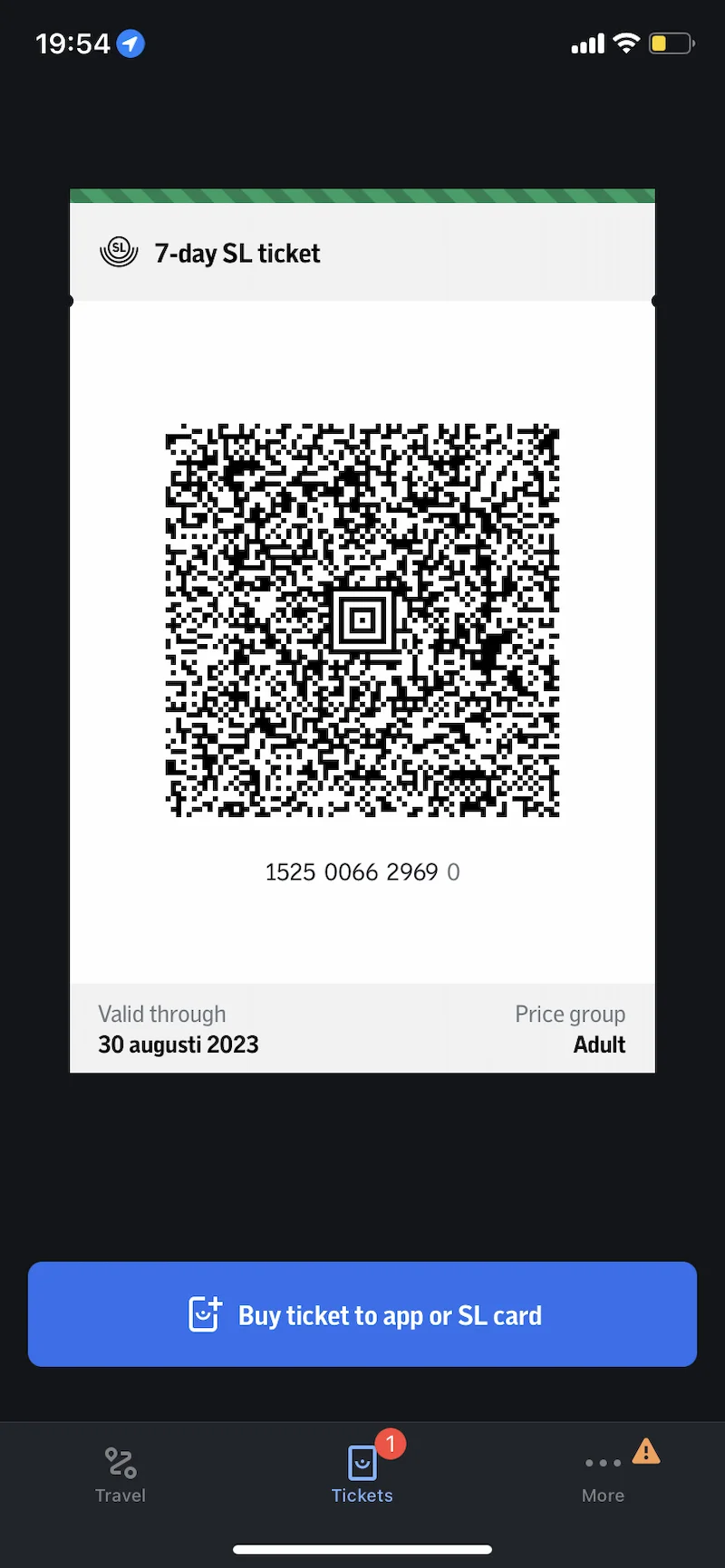 |
The official SL Journey Planner and Tickets app is useful for buying tickets, although it did not support Apple Pay. It also displays purchased tickets for inspection when entering a bus or the metro and provides journey planning.
A word of warning about the buses: a few were late or did not arrive at all.
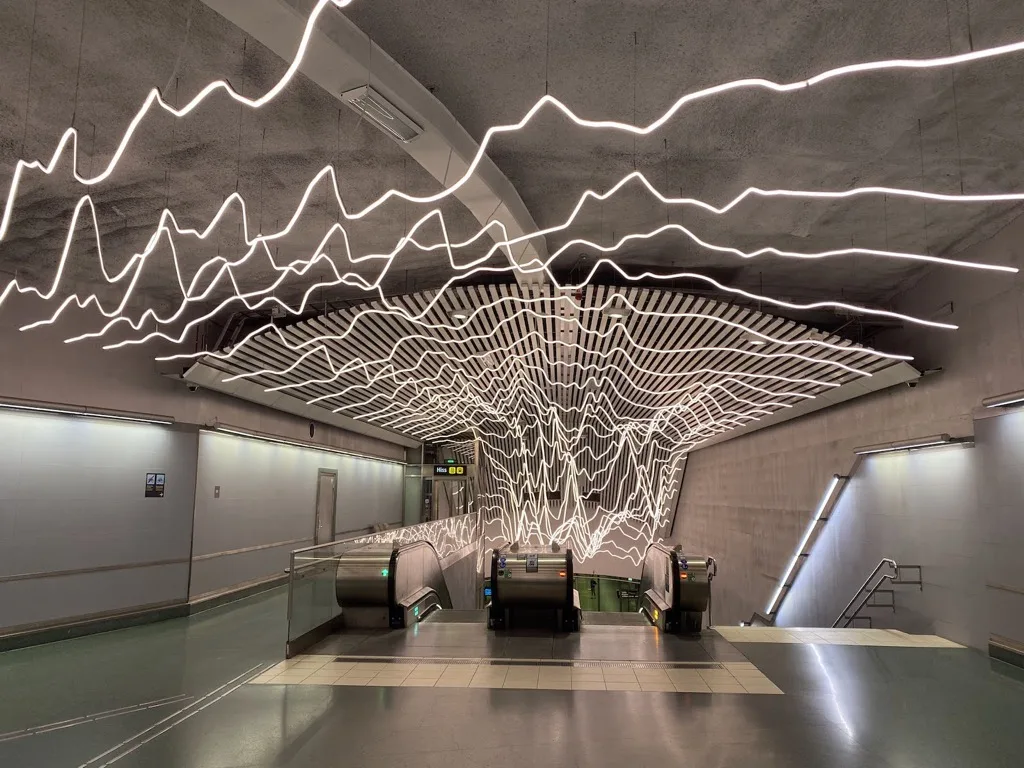
Several Stockholm Metro stations contain interesting art installations, from small, understated details at Odenplan,
to large, colourful halls at T-Centralen,
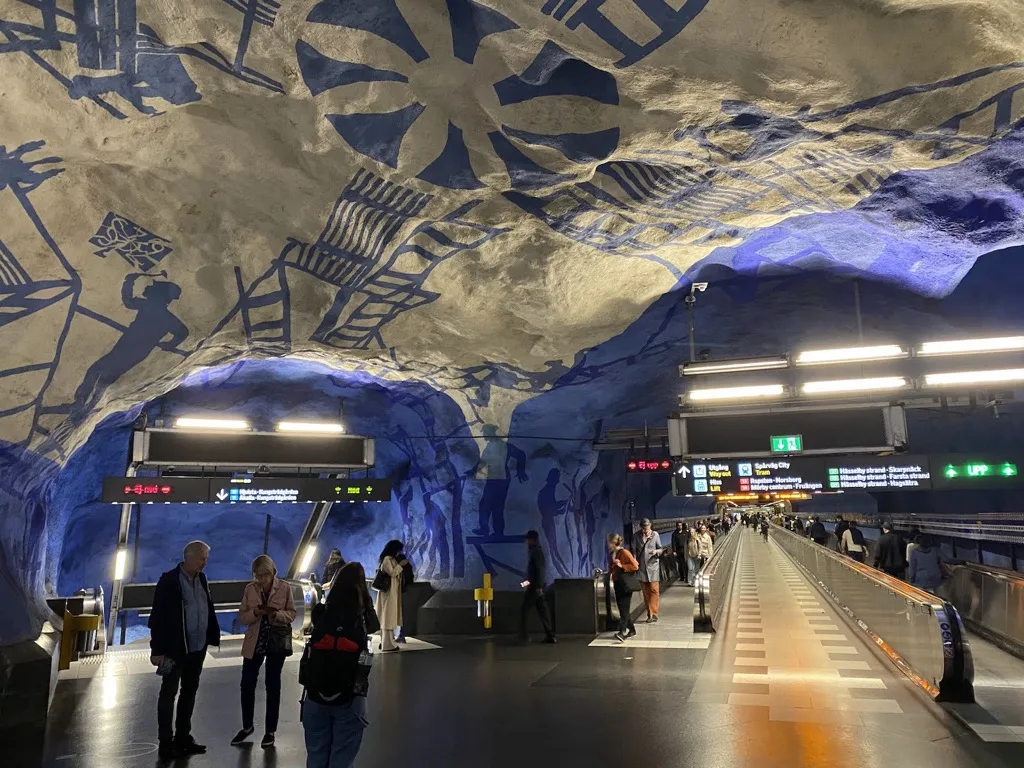
and cave-like decoration at Kungsträdgården.
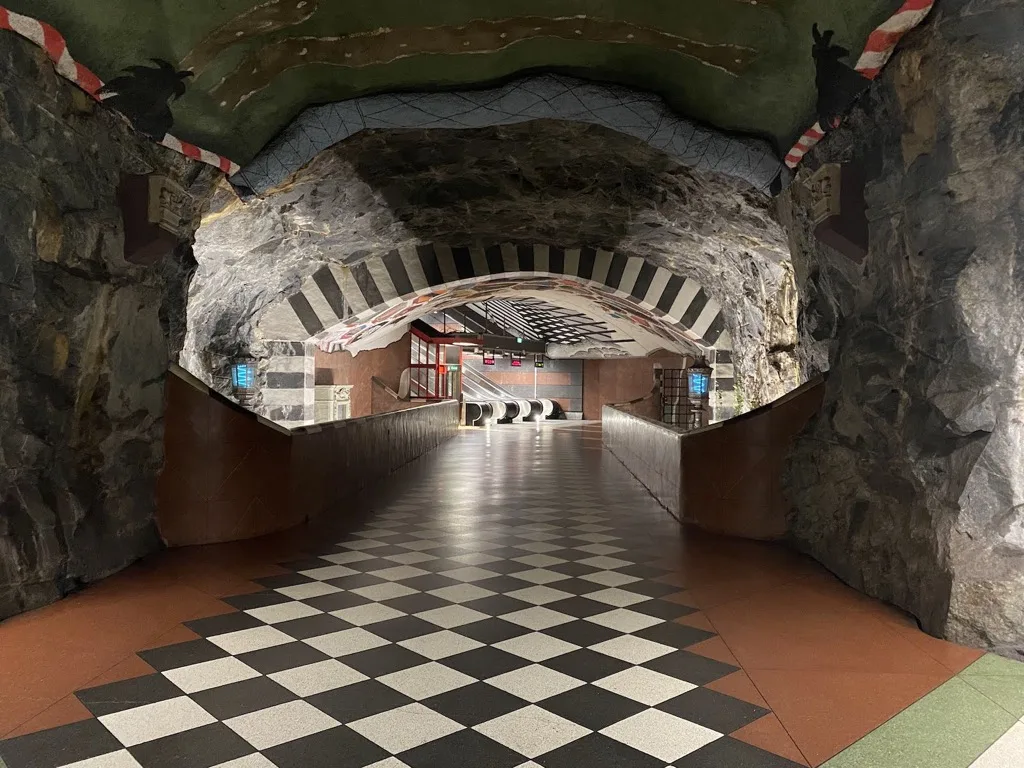
I recommend looking at the guide to art in the Stockholm Metro and visiting a few selected stations.
One other transport-related surprise was that pedestrians in Sweden routinely cross on red when traffic is light.
Swedish kronor and card payments
Sweden has its own currency, the Swedish krona, but you genuinely do not need cash when visiting.
As I had already discovered in Malmö, Sweden is a cashless society. Paying by card is not merely possible everywhere; it is often required.
I consider that a major advantage. You need no currency exchange, and in a restaurant you simply say that you would like to pay and the staff bring a terminal.
There is no discussion about cash versus card, and you enter any tip yourself on the terminal without having to tell the server.
Naturally, every terminal is contactless, so you do not even need a physical card—an iPhone with Apple Pay is enough.
The historic centre
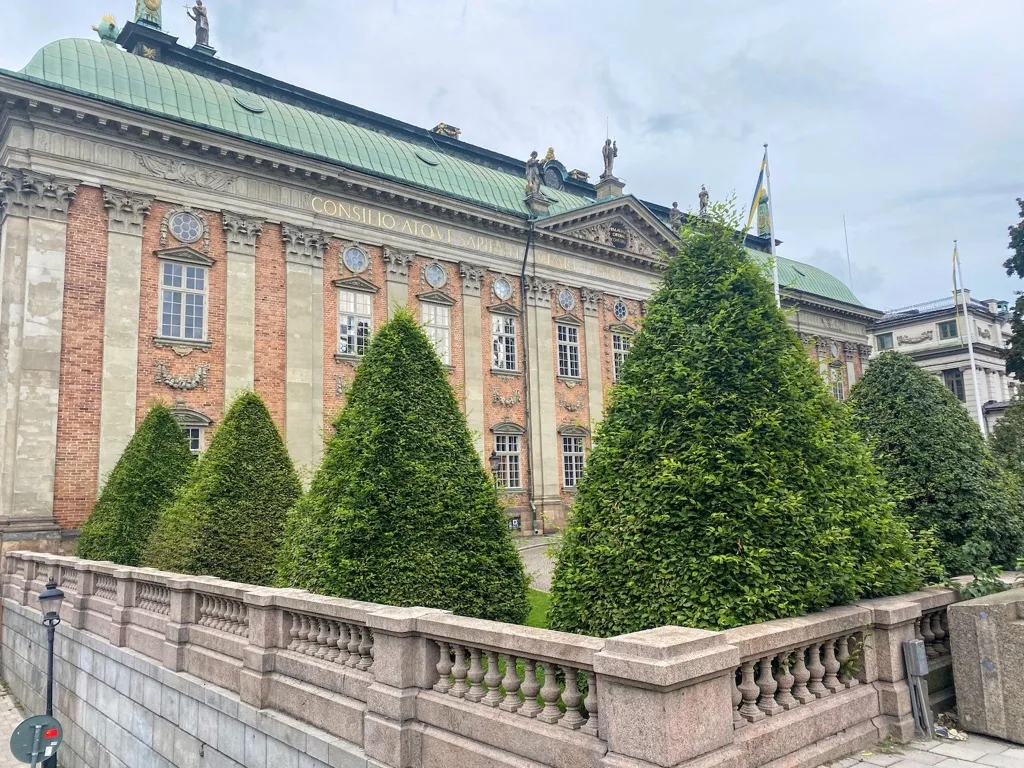
Stockholm consists of 14 islands connected by 57 bridges, earning it the nickname Venice of the North.
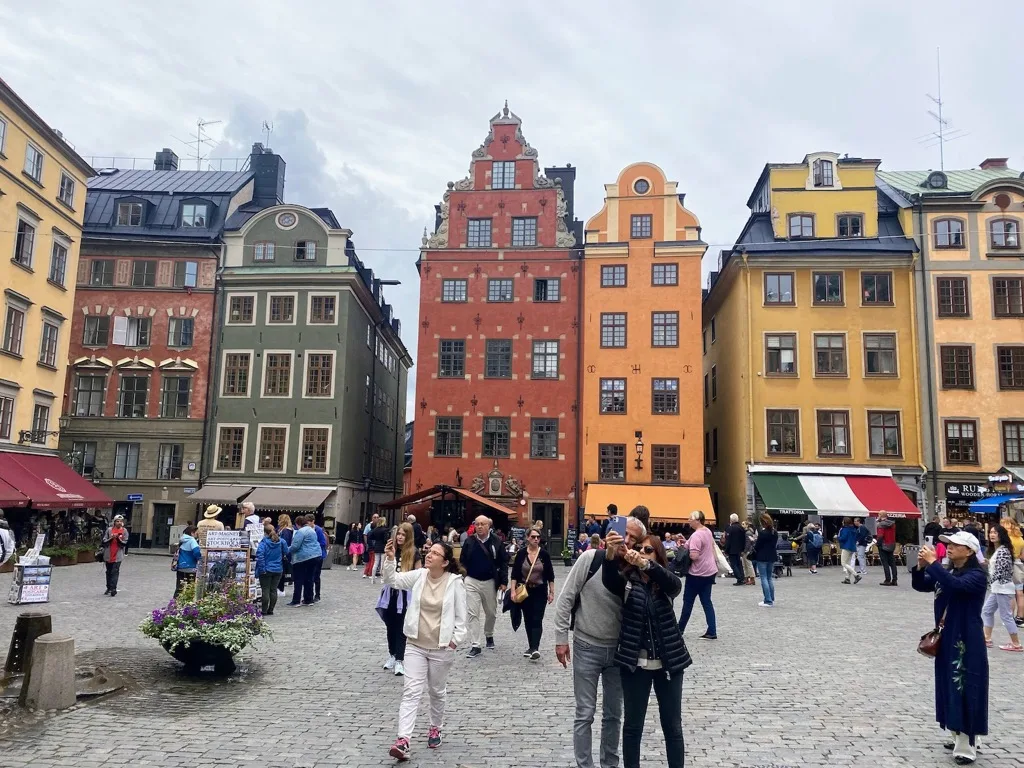
For a basic orientation and an introduction to the city’s history, I recommend Free Walking Tour Stockholm, which takes you from Gamla Stan to the Royal Palace.
Cafés and restaurants
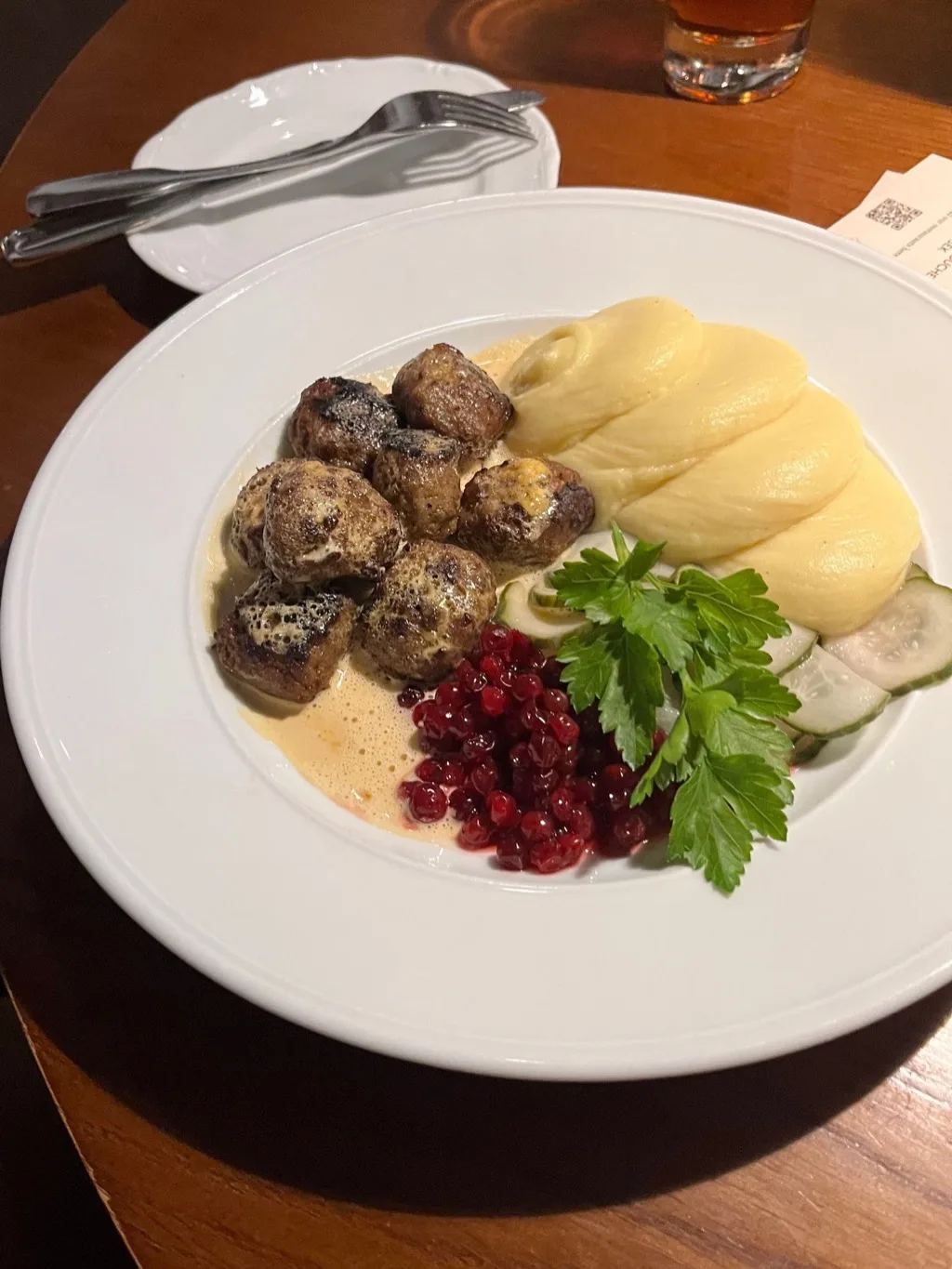
In Sweden, you have to try the classic meatballs, köttbullar, available in many places. One option is Meatballs for the People in Södermalm, Stockholm’s somewhat hipster district. Be prepared to queue outside.
Södermalm also has many cafés where you can stop for fika, the Swedish coffee-and-cake break. A typical pastry is the cardamom bun, kardemummabulle.
For more modern international food, you could try the Indian Street Food & Co chain.
Vasa Museum
The Vasa Museum was probably the thing that impressed me most in Stockholm. Its scale reminded me of the Space Shuttle Atlantis hall at Kennedy Space Center in Florida.

Vasa is a large warship built in the early 17th century for Sweden’s war against Poland. It was not designed correctly, however, and sank on its maiden voyage in 1628 before even reaching the Baltic Sea.

It lay on the Baltic seabed for more than 300 years before being raised in the 1960s in remarkably good condition, thanks to the low salinity where it sank.
The ship was later moved to one of Stockholm’s islands and a museum was literally built around it. You can see the 70-metre warship up close alongside exhibits about its construction, life aboard warships and a great many other fascinating details.

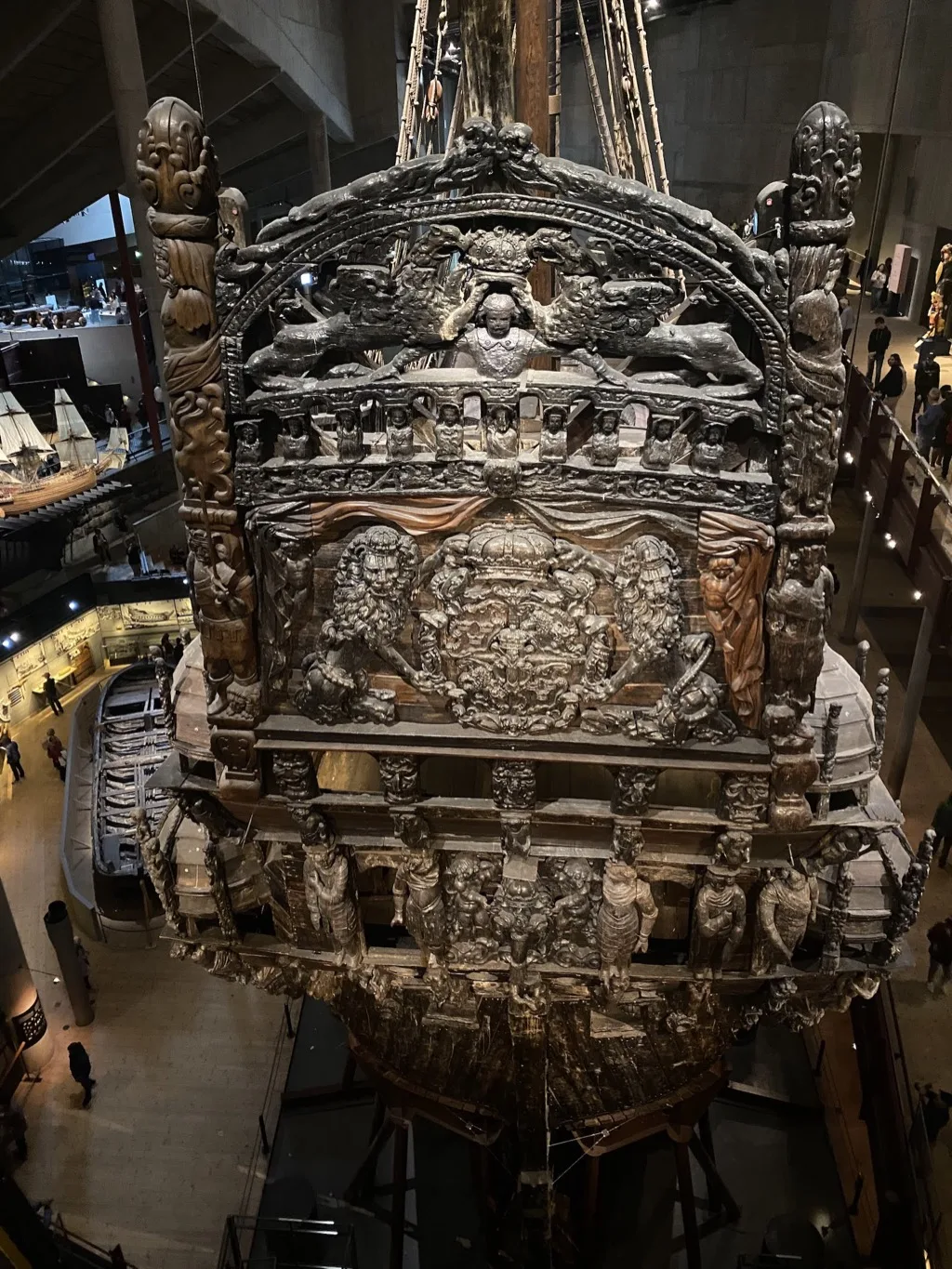
The museum has seven floors, allowing detailed views of the entire ship, including its tall and richly decorated stern.
Nearby is Vrak—Museum of Wrecks, dedicated to Swedish maritime archaeology. A combined ticket offered a small discount.
Vaxholm
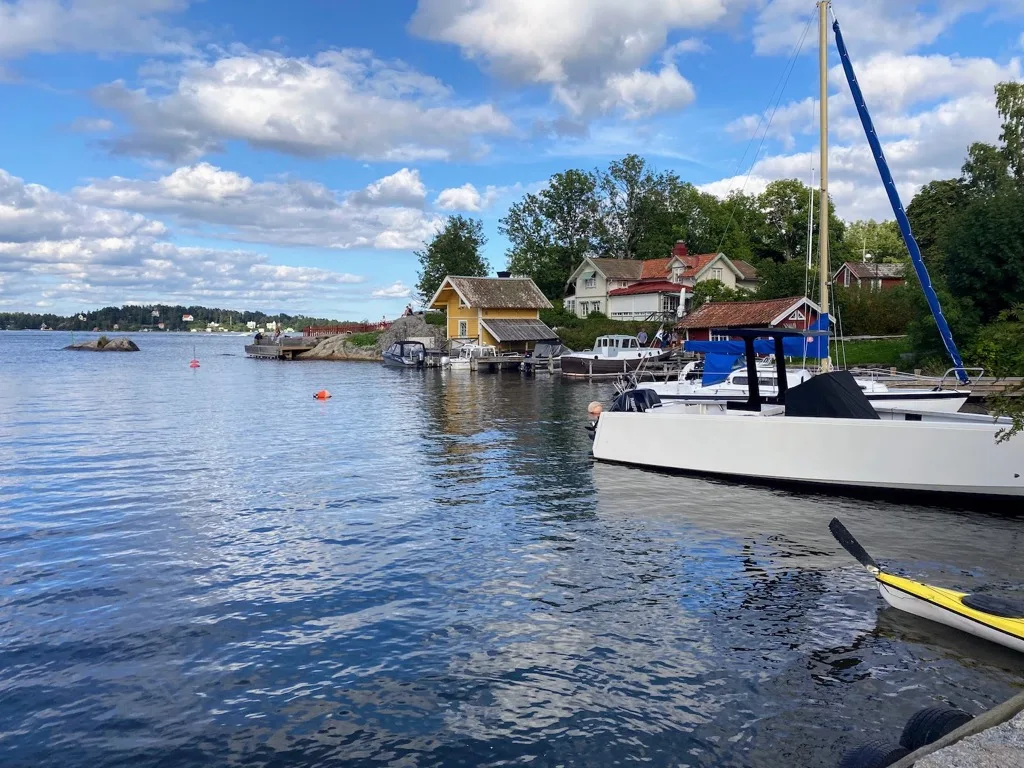
If you want to see somewhere less urban as well as Stockholm itself, I recommend a boat trip to Vaxholm.

You can reach Vaxholm on boats included in the regular public transport system, although they tend to be crowded, or with another company such as Strömma. The journey takes approximately an hour.
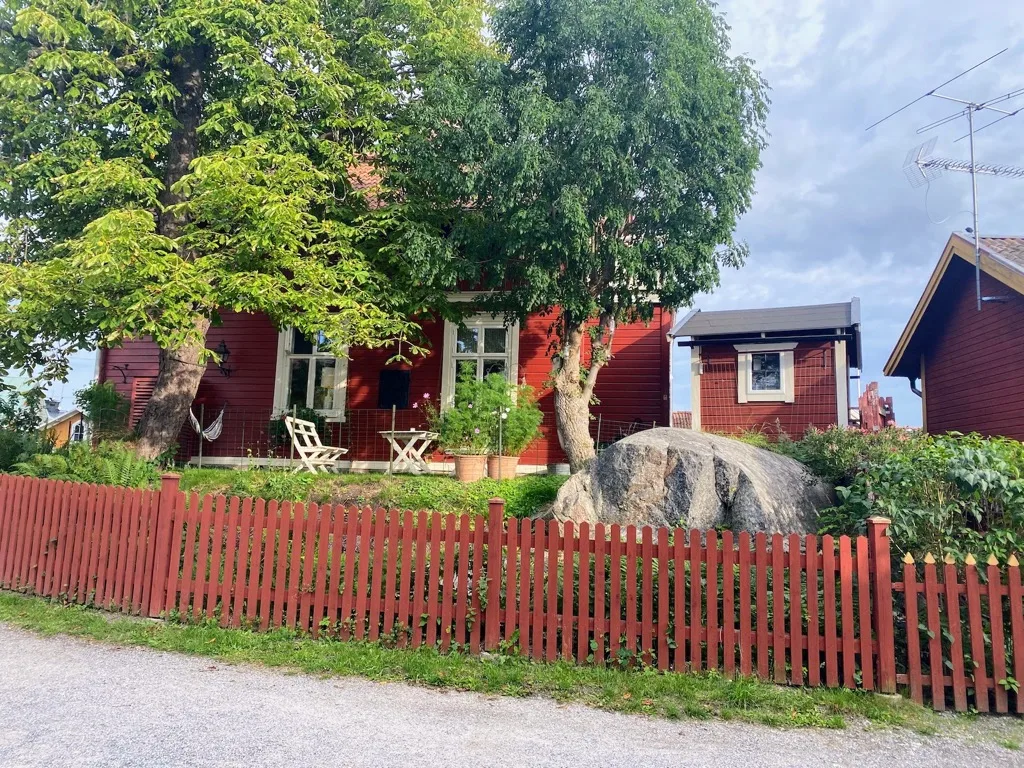
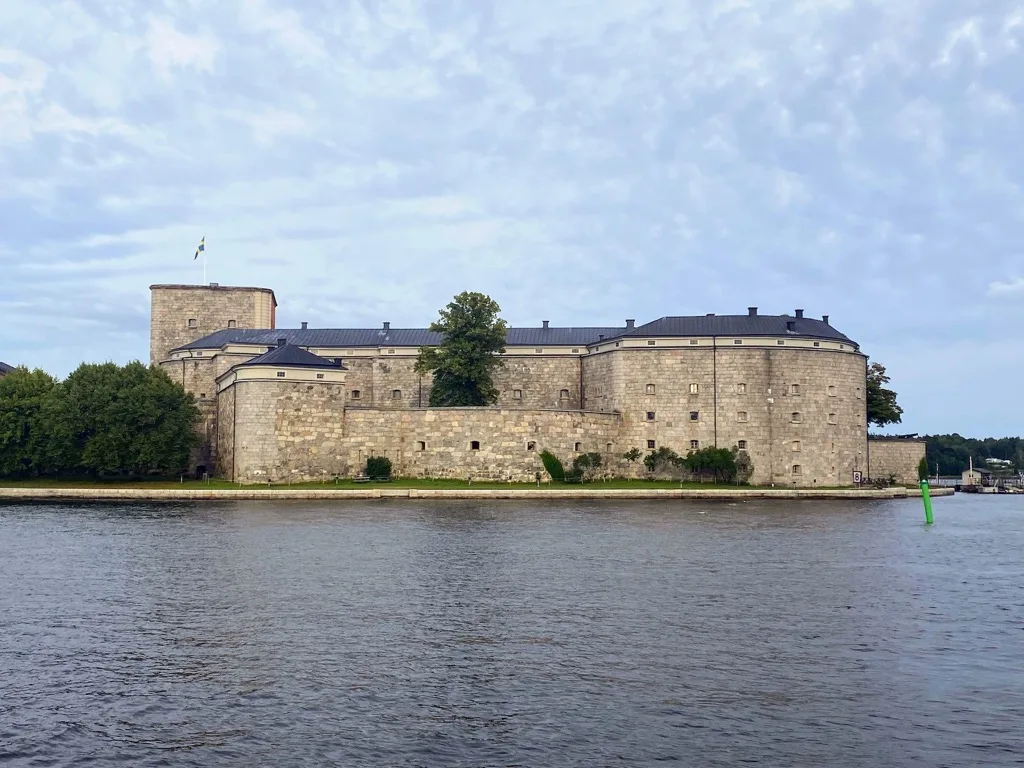
Around 6,000 people live on the island, which has typical Swedish houses and a prominent 16th-century fortress.
Lake Brunnsviken and Hagaparken
For some nature, travel north of central Stockholm to Lake Brunnsviken, accessible from Odenplan station.
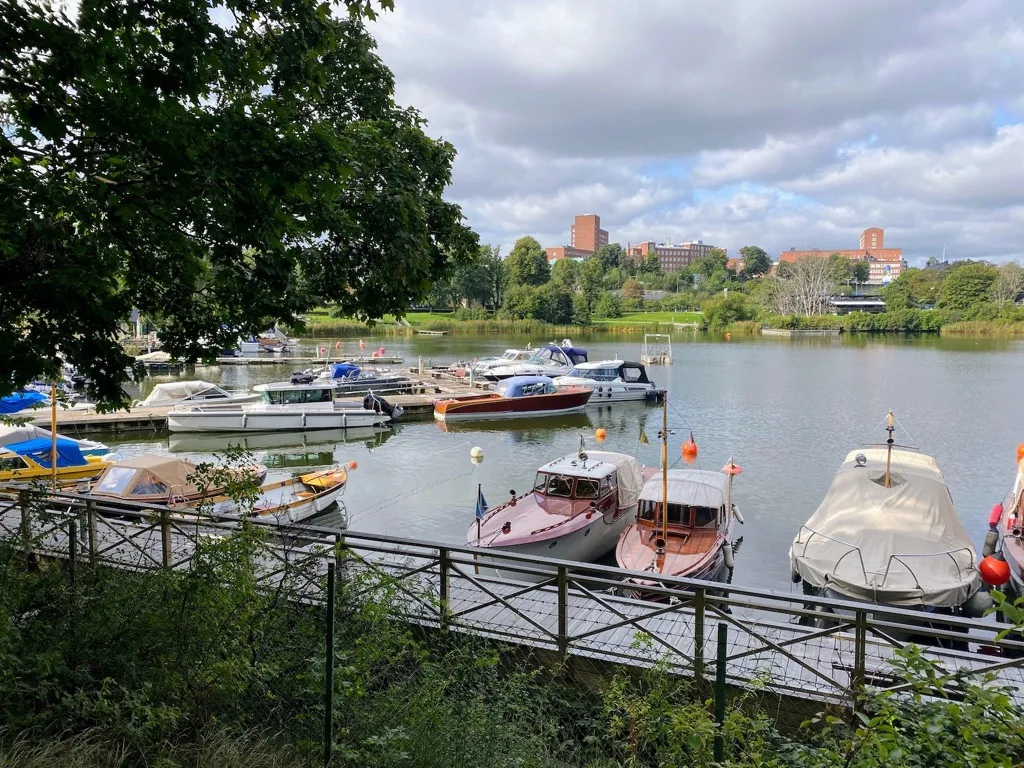
Brunnsviken is a large 150-hectare lake surrounded by greenery and the expansive Hagaparken.

Several sandy beaches line the lake, and local people make good use of them in warm weather.
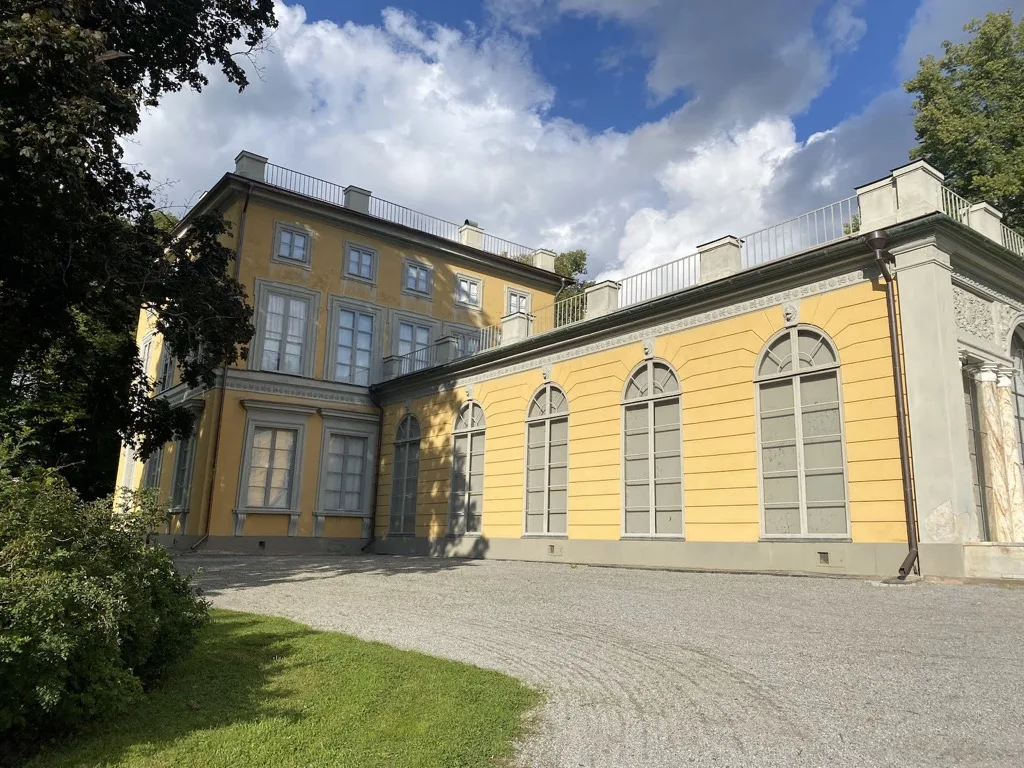
Hagaparken is enormous and contains several interesting buildings, including Gustav III’s Pavilion and the Haga Park Museum.