A trip to Liverpool and Manchester 🇬🇧
I had not visited the United Kingdom for more than ten years, so I decided to return. Instead of London, I chose northern England and the two cities of Liverpool and Manchester.
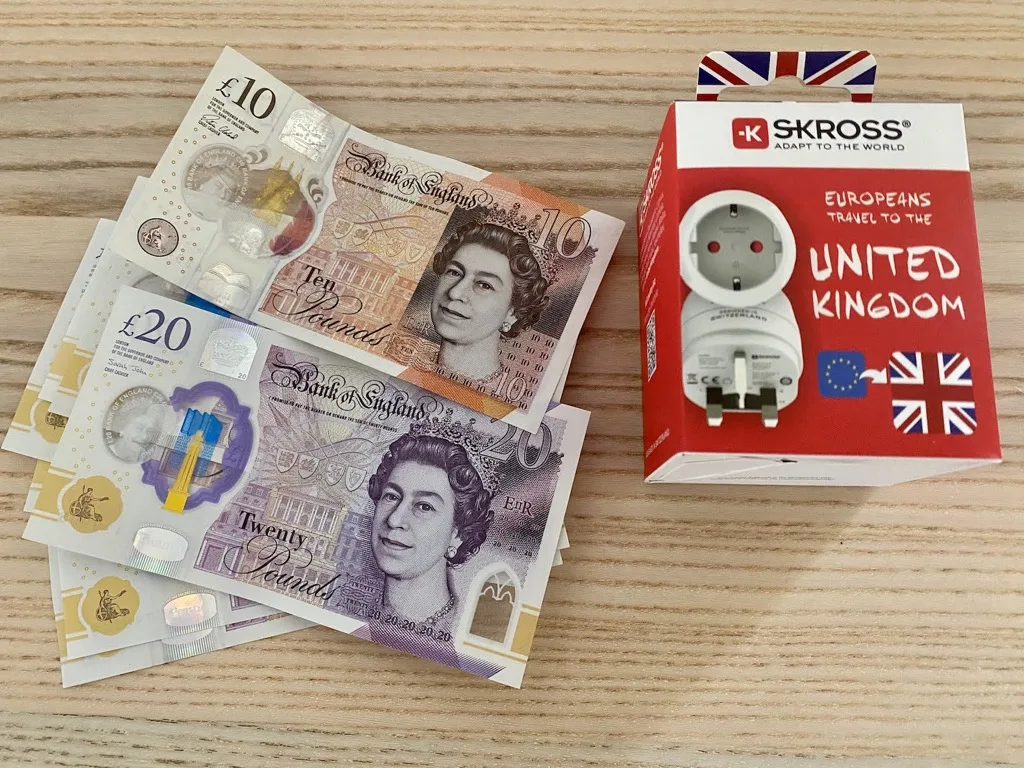
Northern England is completely different from London in almost every respect. You notice the first difference as soon as someone speaks to you in Liverpool’s distinctive accent.
Getting from the airport
There were no direct flights from Prague to Liverpool, but several flew directly to Manchester, so I chose Manchester Airport.
Immediately after landing, a walk through the large but relatively empty terminal reminds you that people in the UK keep to the right on foot.
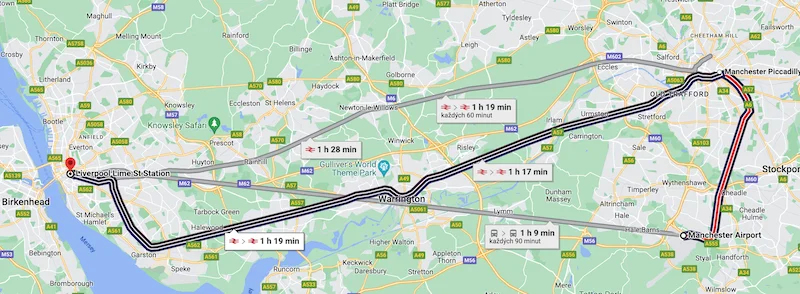
You can travel directly from Manchester Airport to Liverpool by bus or train.
Direct trains ran only around once an hour, so avoiding a change in Manchester required careful timing.
The Northern train tickets and times app can find connections and sell train tickets. Bus tickets are available from National Express.
Both journeys take around an hour; Liverpool is approximately 50 kilometres from Manchester.
If travelling only to central Manchester, you can also use the tram. Unlike the 20-minute train, however, it takes almost an hour.
Apple Pay and card payments
The UK may not yet be an entirely cashless society like Sweden, but I found nowhere in Liverpool or Manchester that did not accept contactless cards and therefore Apple Pay.
Buses, train-ticket machines and restaurants all accepted them. I never needed the cash I had brought just in case. Staff often did not even ask whether I wanted to pay by cash or card; they simply brought a terminal.
Liverpool
Transport
Liverpool has buses and trains, with the latter functioning much like an urban metro.
Several companies operate these services, so no single app covers both journey planning and ticket purchases.
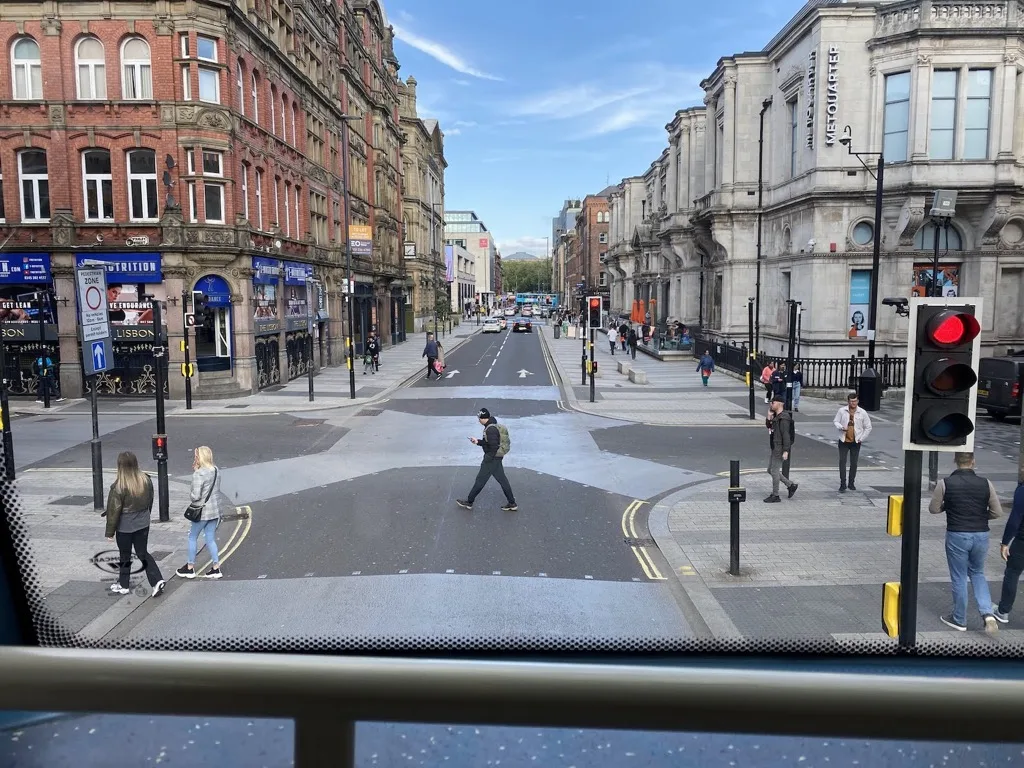
Google Maps can plan journeys, but Citymapper, which directly supports both Liverpool and Manchester, proved much better and more accurate.
Buses accept contactless cards and Apple Pay. Be aware of the distinction between buying a single ticket and using “Tap and Go”. Tap and Go applies a daily fare cap that you will not exceed regardless of the number of journeys.
The centre and its history
For an orientation and introduction to the city, I recommend a free walking tour of Liverpool.
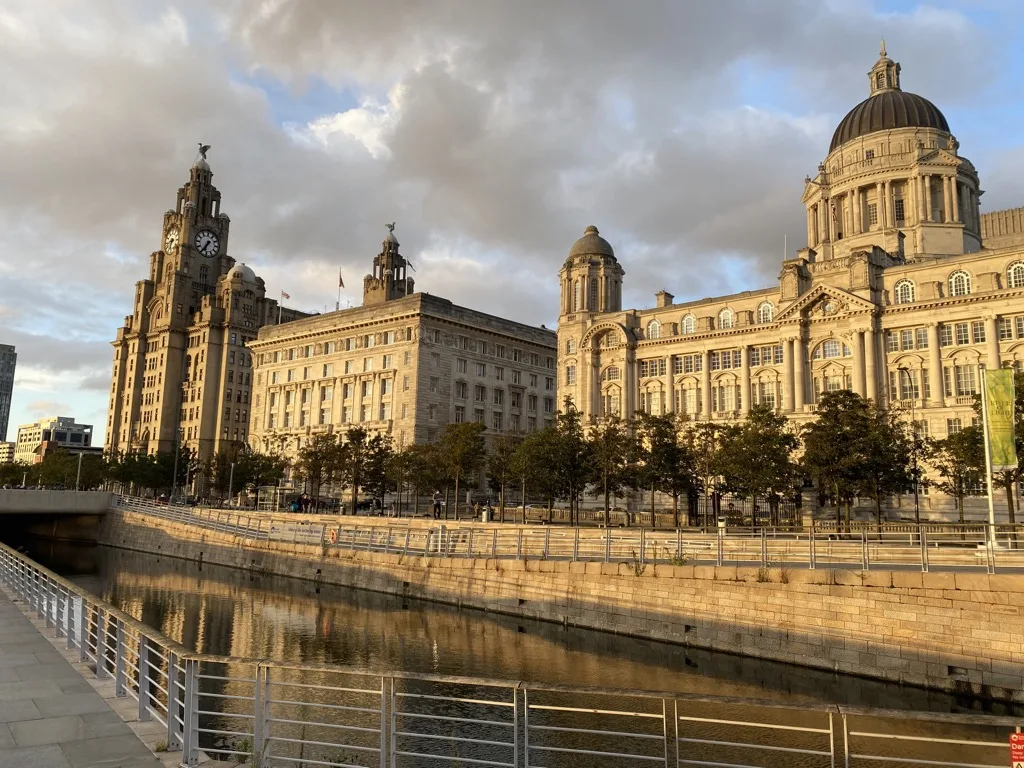
The tour lasts around two and a half hours and covers the most important parts of Liverpool, including its connections with the Beatles.
Royal Albert Dock
Royal Albert Dock is a group of warehouses and docks from the first half of the 19th century on the River Mersey.
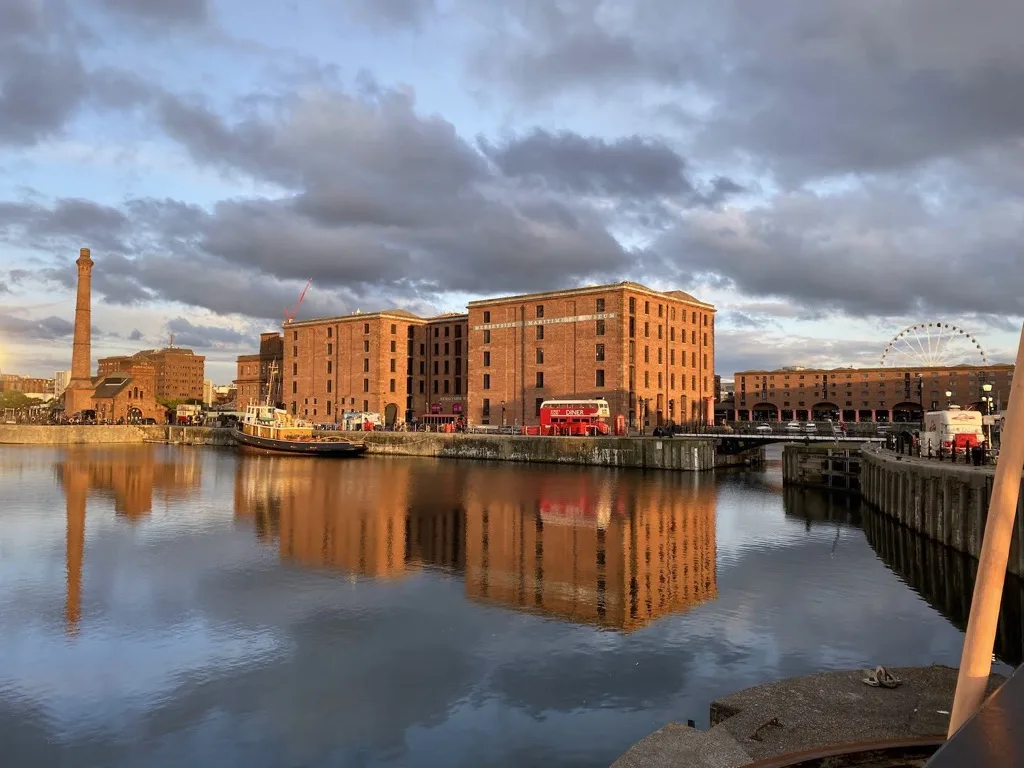
The docks were enormously important to Liverpool and revolutionary when they opened, allowing cargo to be transferred directly between ships and warehouses.
After losing their importance, they fell into decline and disrepair during the 20th century before reopening as a visitor attraction at the end of the century.
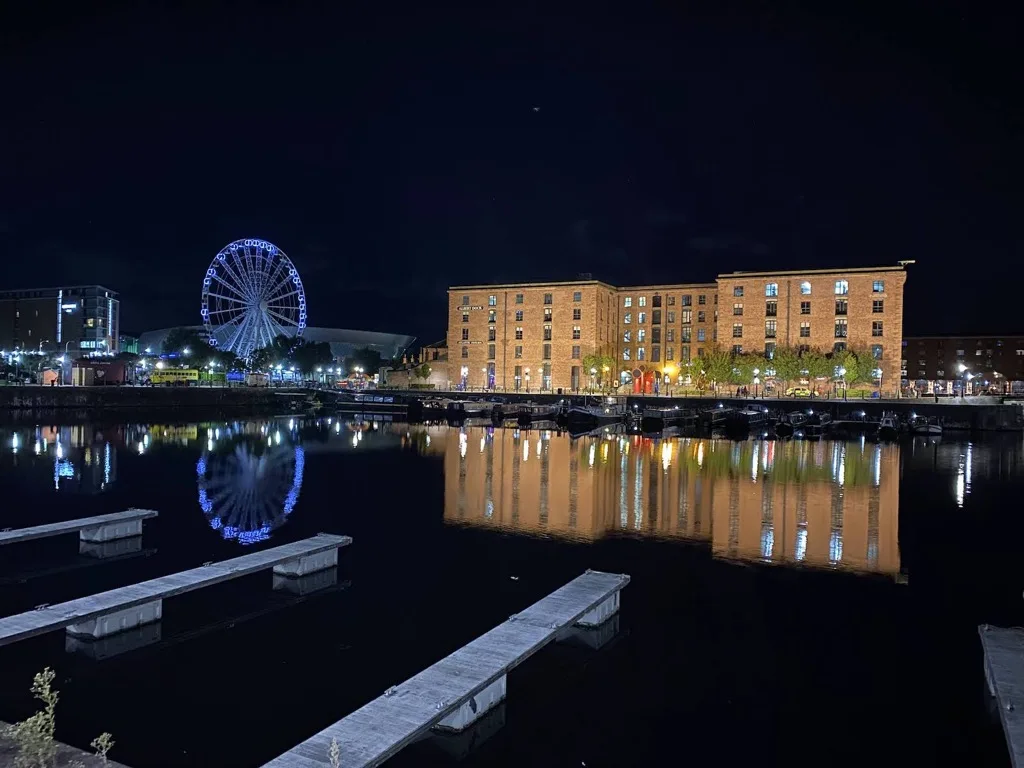
Today the complex contains hotels, restaurants, flats, a concert arena and the Wheel of Liverpool, which provides a view over the city.
Museums and Tate Liverpool
Liverpool has several interesting museums and, as is common in England, admission is free.
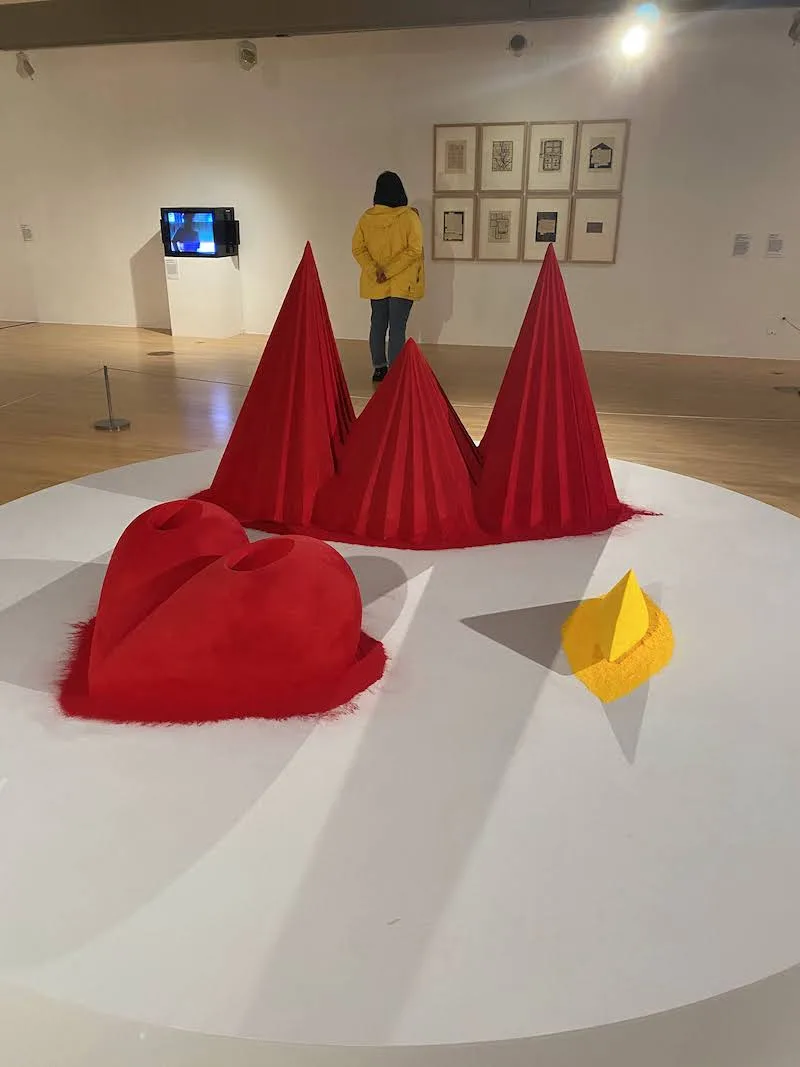
Tate Liverpool, a modern-art gallery, stands inside Royal Albert Dock.
 |
 |
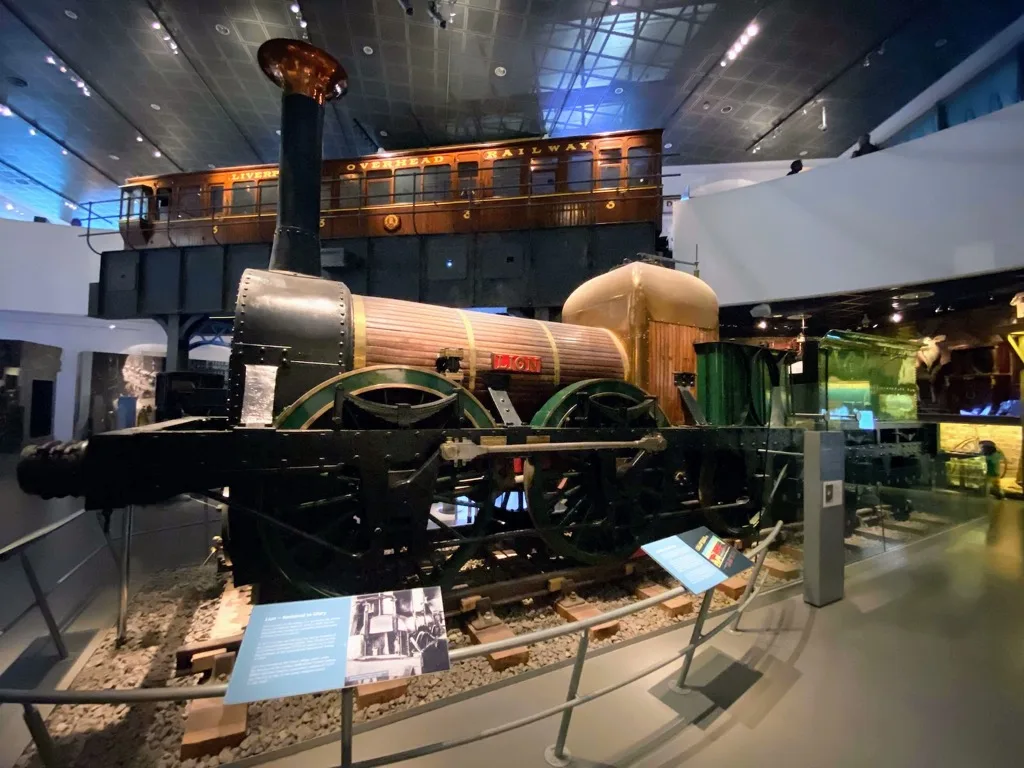
Nearby, the Maritime Museum explores maritime history. Its first two floors contain exhibitions about the Lusitania and Titanic.
The third floor houses the separate International Slavery Museum, reflecting Liverpool’s important role in the slave trade as the first port of call for ships arriving from Africa.
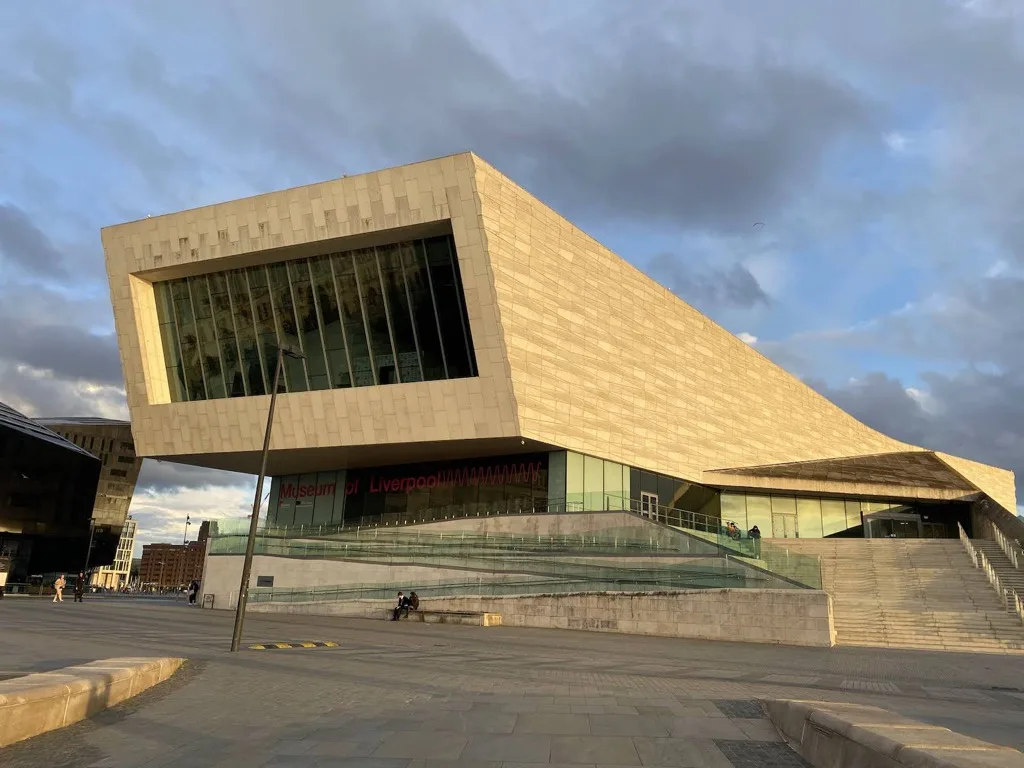
The Museum of Liverpool occupies a modern 2011 building and presents the city’s history.
Liverpool Cathedral and Metropolitan Cathedral
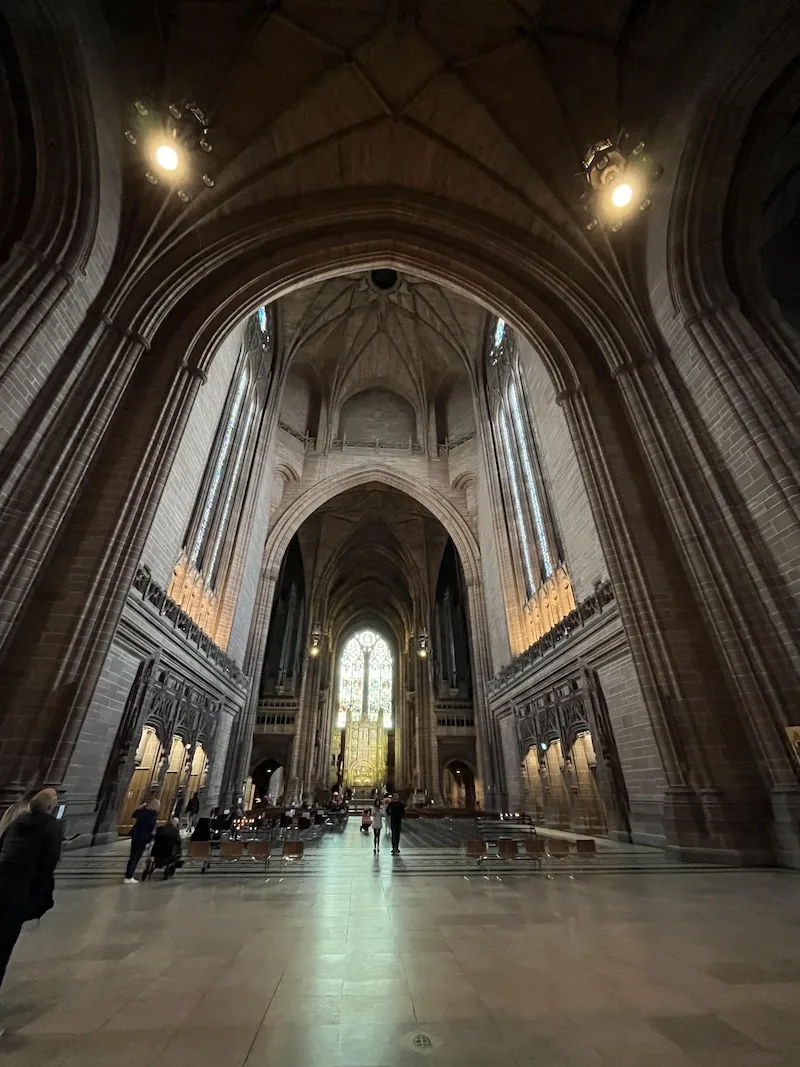
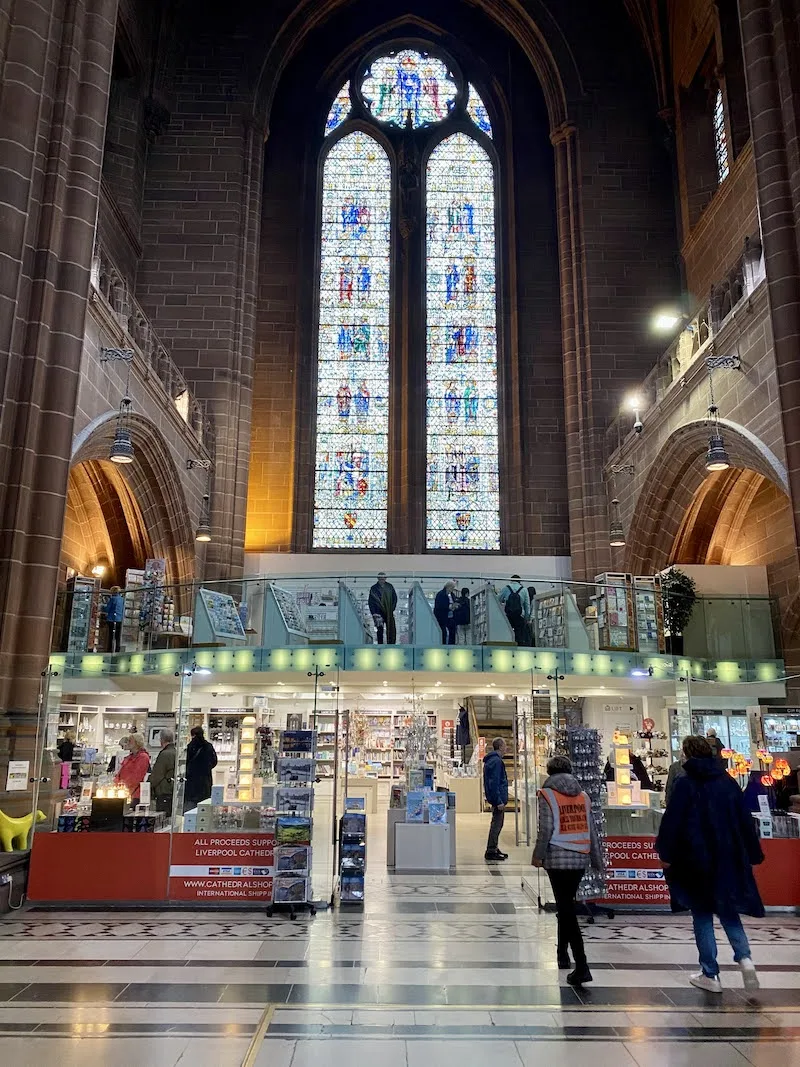
Liverpool Cathedral is a relatively new Anglican cathedral, begun in 1904 and completed only in 1978.
By volume, it is the largest cathedral in the United Kingdom and the fifth largest in the world.
 |
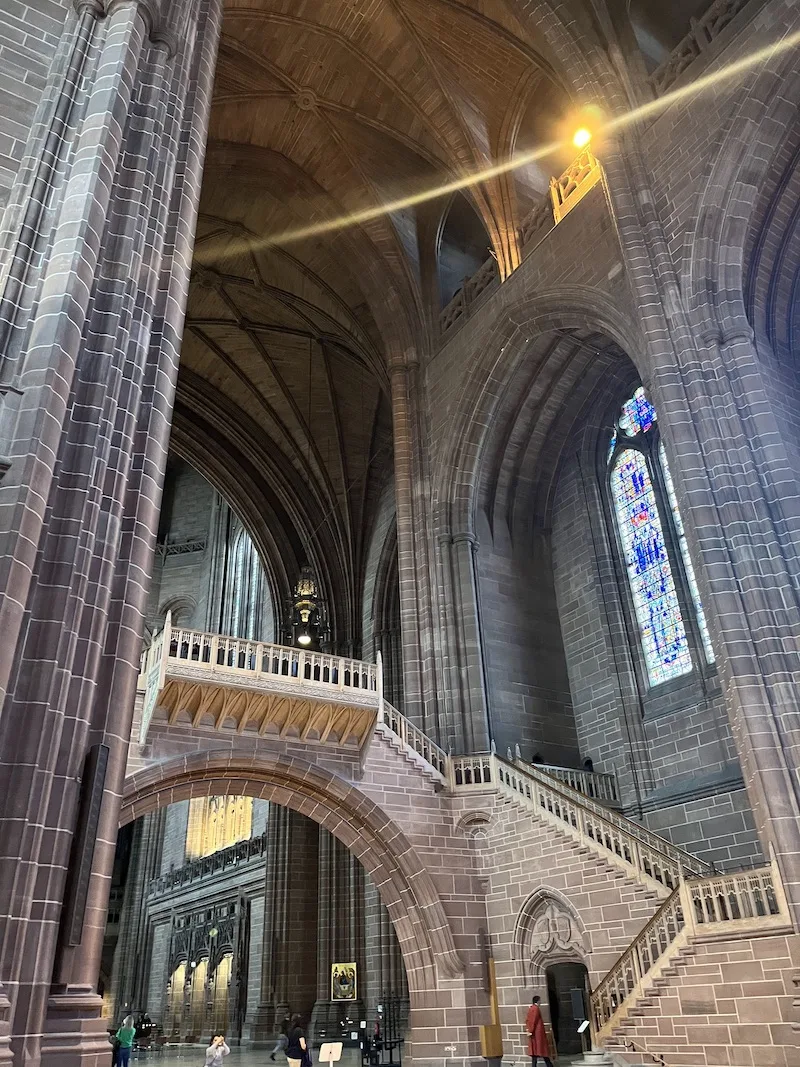 |
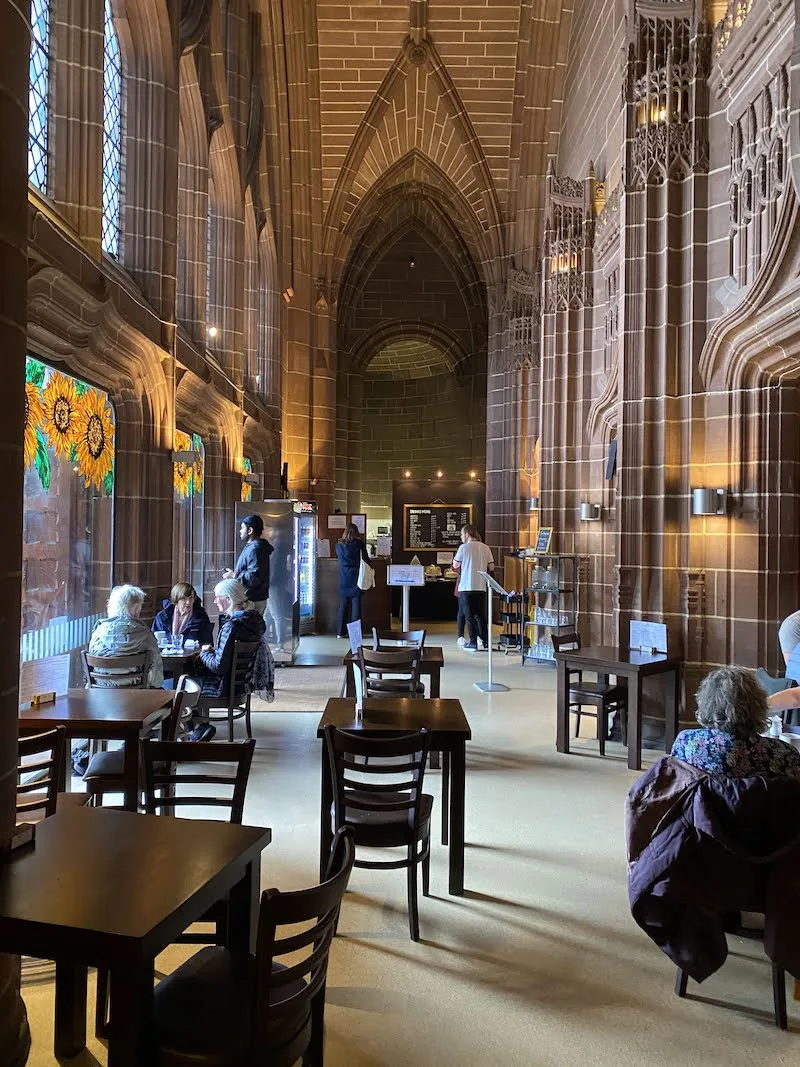
Although built in a neo-Gothic style, parts of the interior feel modern, not least because it contains a café and shop.
 |
 |
Liverpool Metropolitan Cathedral is the UK’s largest Catholic cathedral and was completed in 1967 in an extremely modern style.
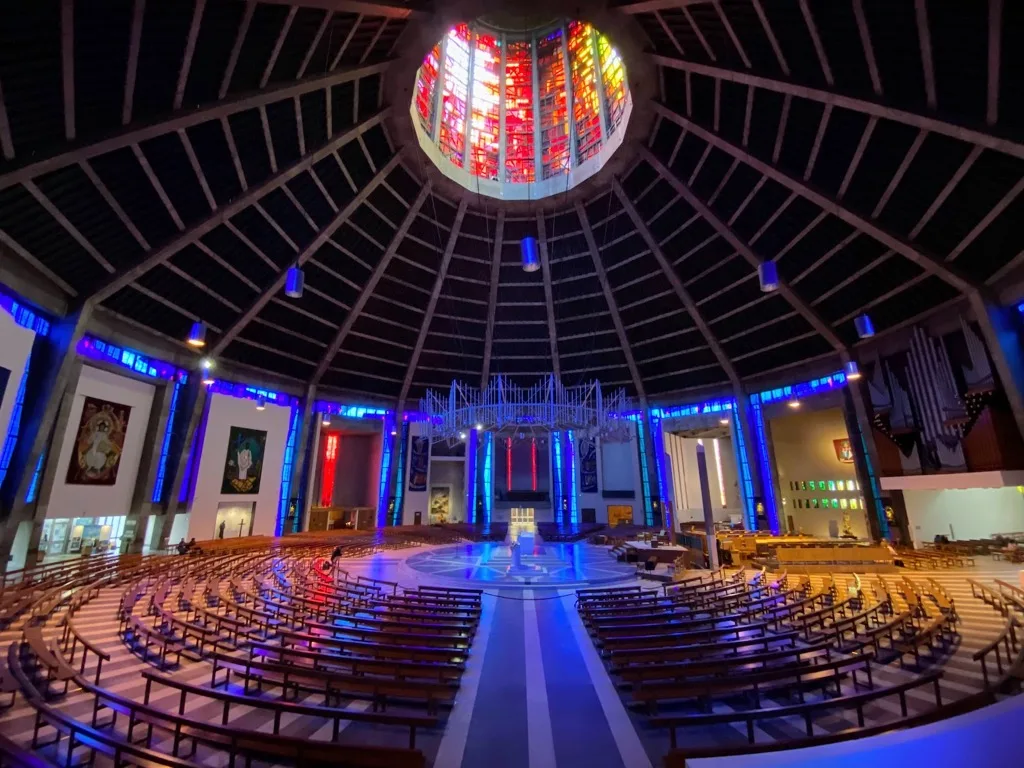
From outside, you might never guess it was a cathedral, while its circular, colourfully lit interior hardly resembles a conventional church either.
A cruise on the River Mersey
Liverpool does not sit directly on the sea but on the River Mersey, which connects it to the sea and was historically vital to the city.
Many important buildings, including Royal Albert Dock, stand beside the river.
From the Mersey Ferries terminal beside the Museum of Liverpool, you can take an hour-long cruise with audio commentary and see the important buildings along this section of the city.
Crosby Beach
Crosby Beach lies north of Liverpool and is easily reached by train from the centre.
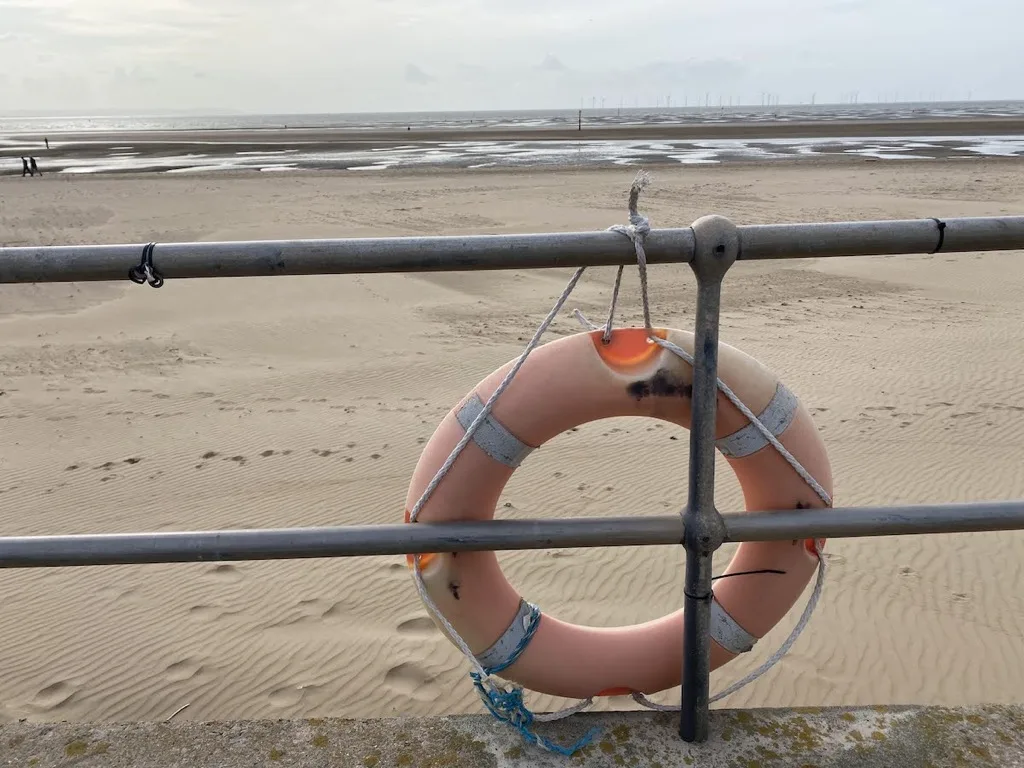
Naturally, this is not a conventional beach: even in summer, it is quite cold and windy there, and swimming is strongly discouraged.
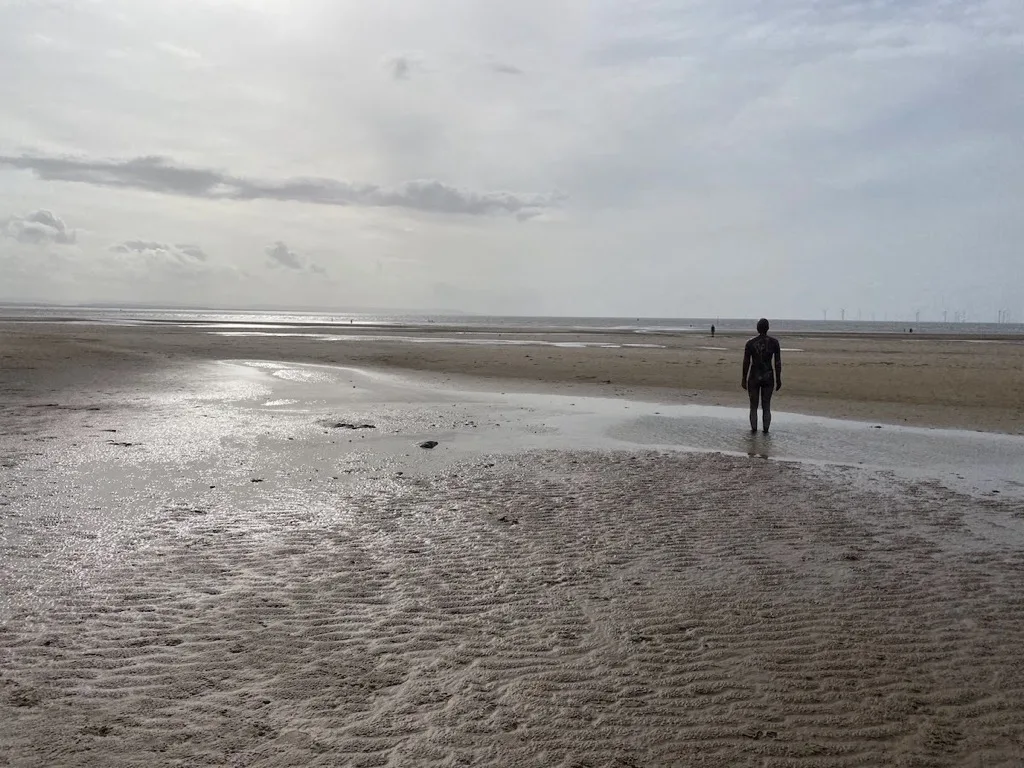
Its greatest attraction is a group of 100 statues spread along the sand. The large difference between high and low tide means they may stand on the beach or waist-deep in water.
Anfield
Liverpool FC fans should visit Anfield.
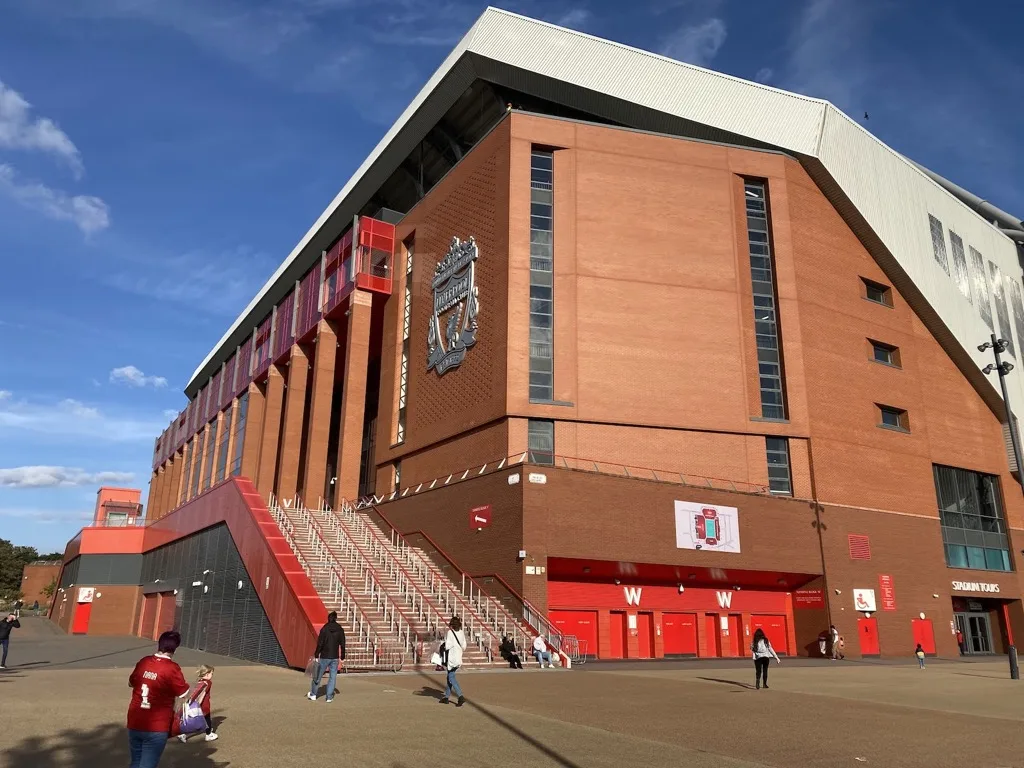
If you cannot obtain a match ticket, you can at least take a stadium tour.
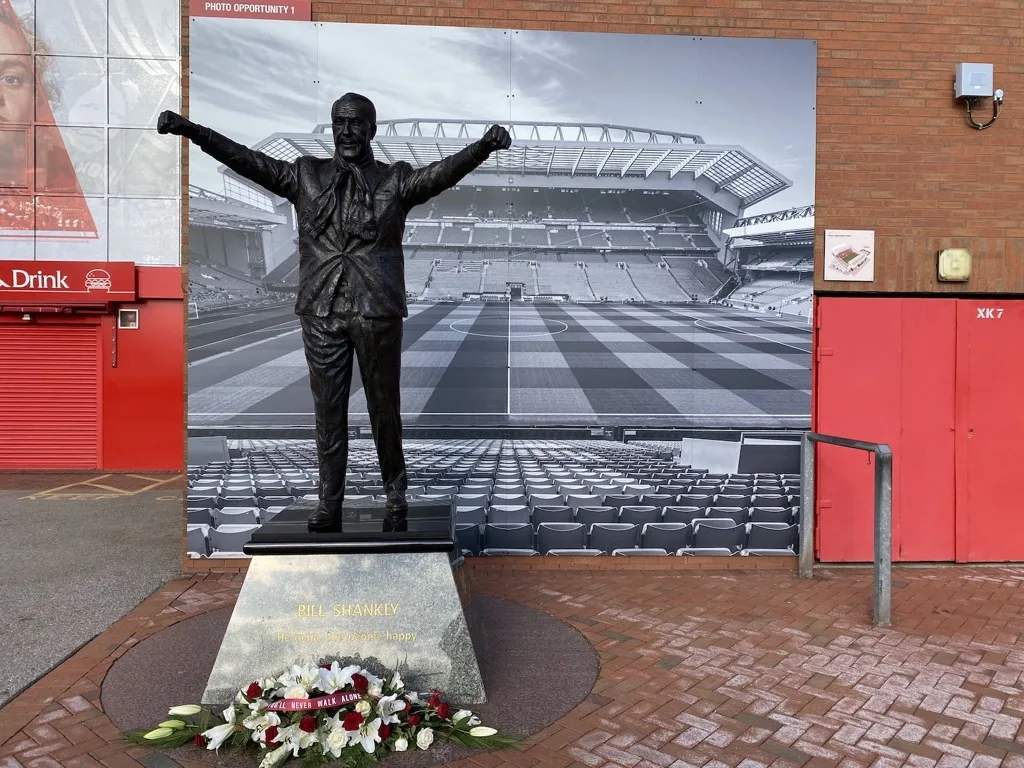
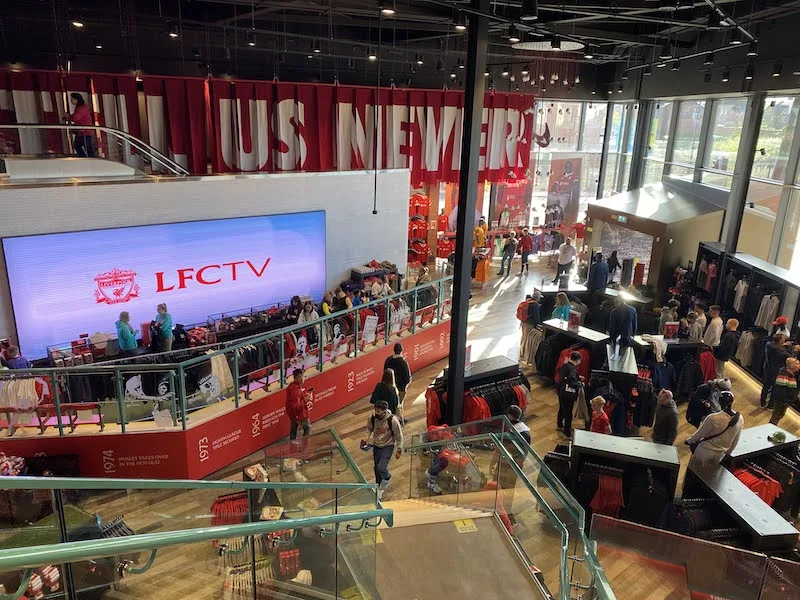
A large official shop outside sells an enormous selection of Liverpool FC merchandise. You can even have a shirt made with your own name and number while you wait.
 |
 |
Manchester
Trains and buses connect Liverpool with Manchester in around 45 minutes.
Transport
Manchester’s tram network is the easiest way to reach all the important places, including the airport and Old Trafford.
As in Liverpool, Citymapper is the best journey planner.
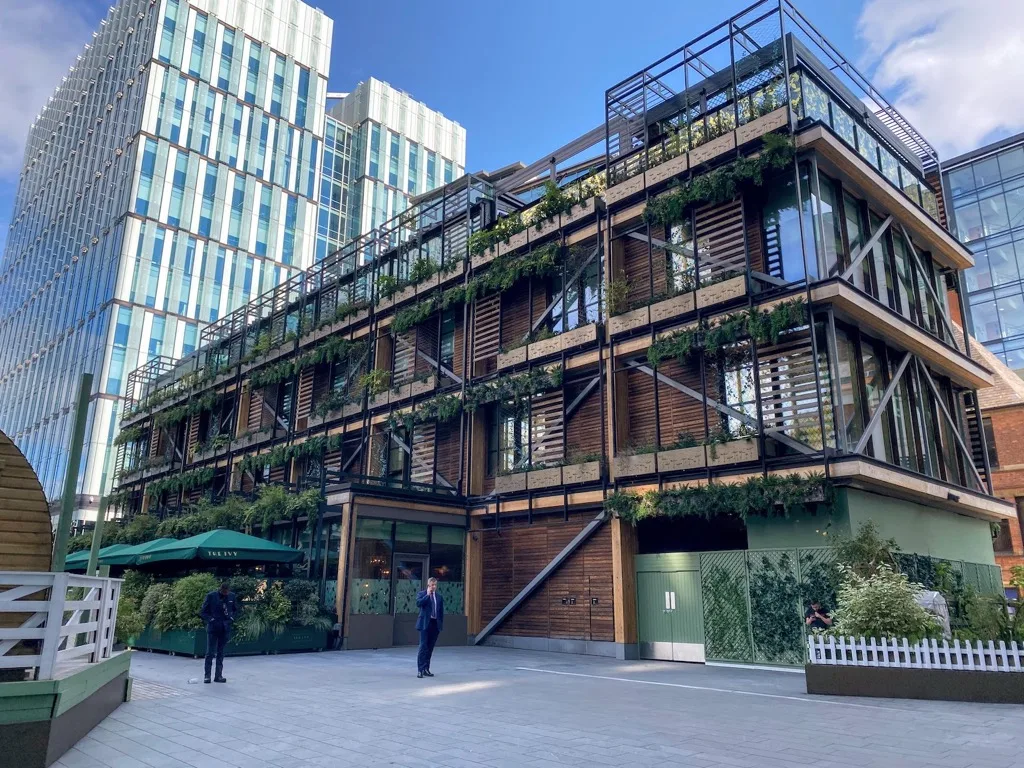
You can pay for trams using a contactless card or Apple Pay. Tap on at a platform terminal before boarding and remember to tap out after leaving; otherwise, you will be charged a higher incomplete-journey fare.
The centre and its history
For an orientation and introduction to Manchester, I recommend a free Manchester walking tour.
It lasts more than three hours, covers all the essentials and gives a good account of the city’s history and present.
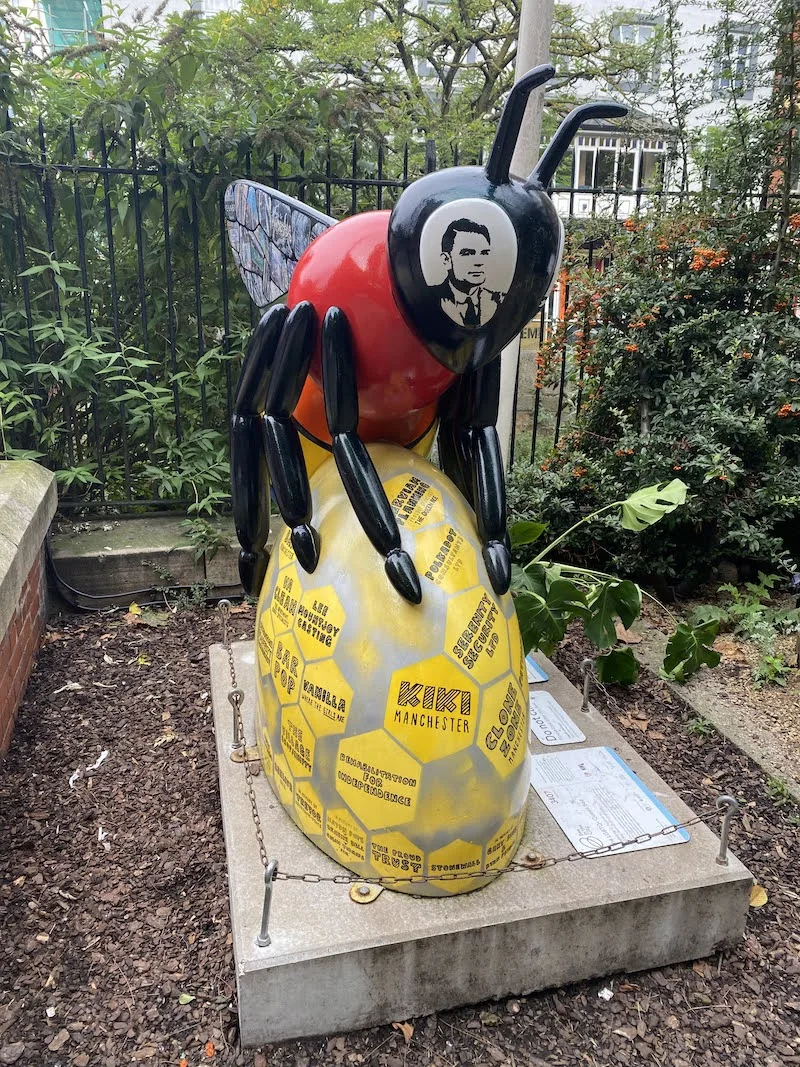 |
 |
Bees appear everywhere as Manchester’s symbol. Historically, Manchester’s factories resembled beehives as large numbers of workers poured out of them at once.
John Rylands and Chetham’s libraries
Manchester has several interesting libraries worth visiting.
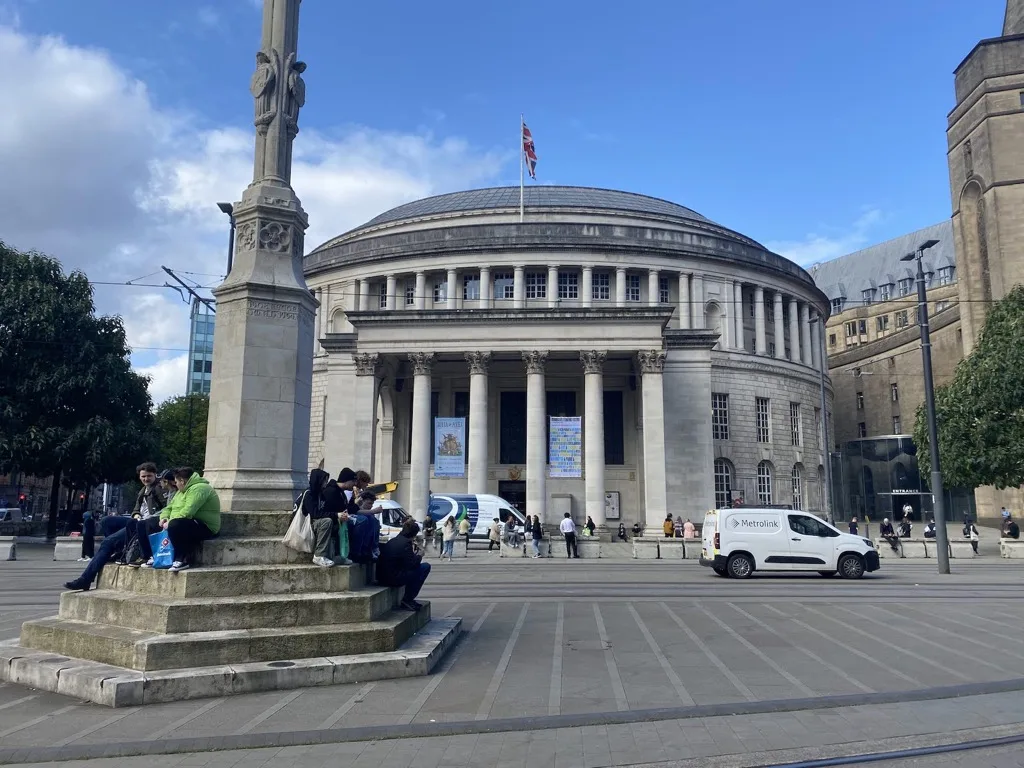
Manchester Central Library stands directly on St Peter’s Square. You can stop for tea, although it is not really a visitor attraction.
The John Rylands Research Institute and Library is much more interesting for both its setting and contents.
Part of the University of Manchester, it occupies a neo-Gothic building resembling a church.
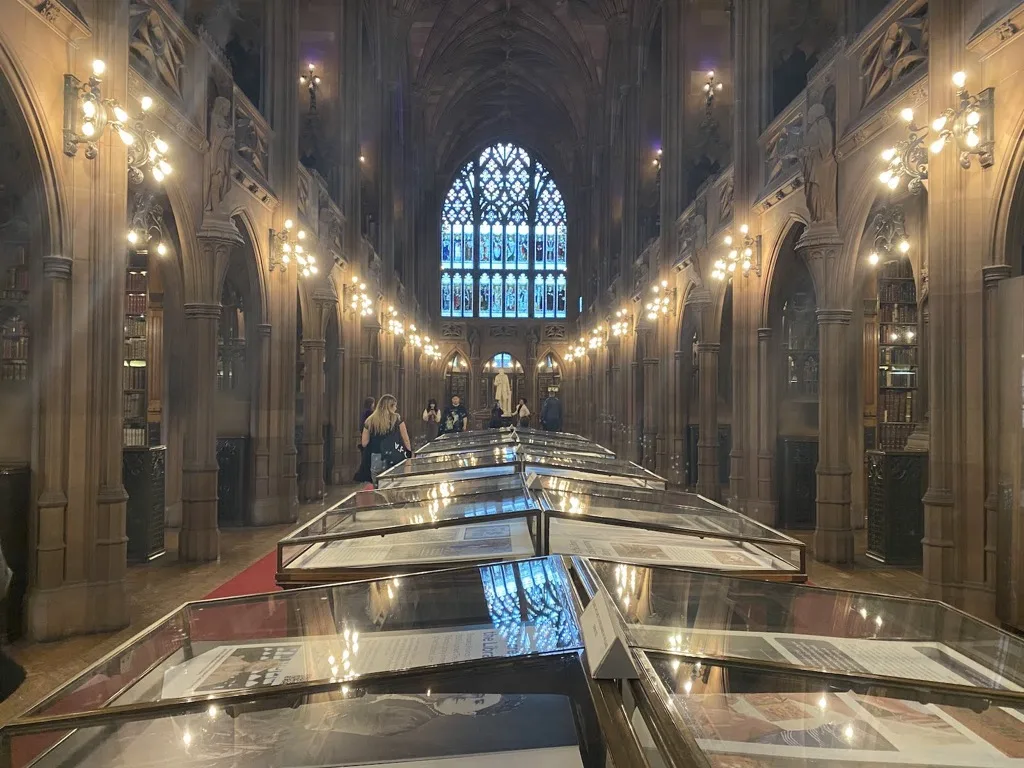
A papyrus fragment almost 2,000 years old is among the items on display.
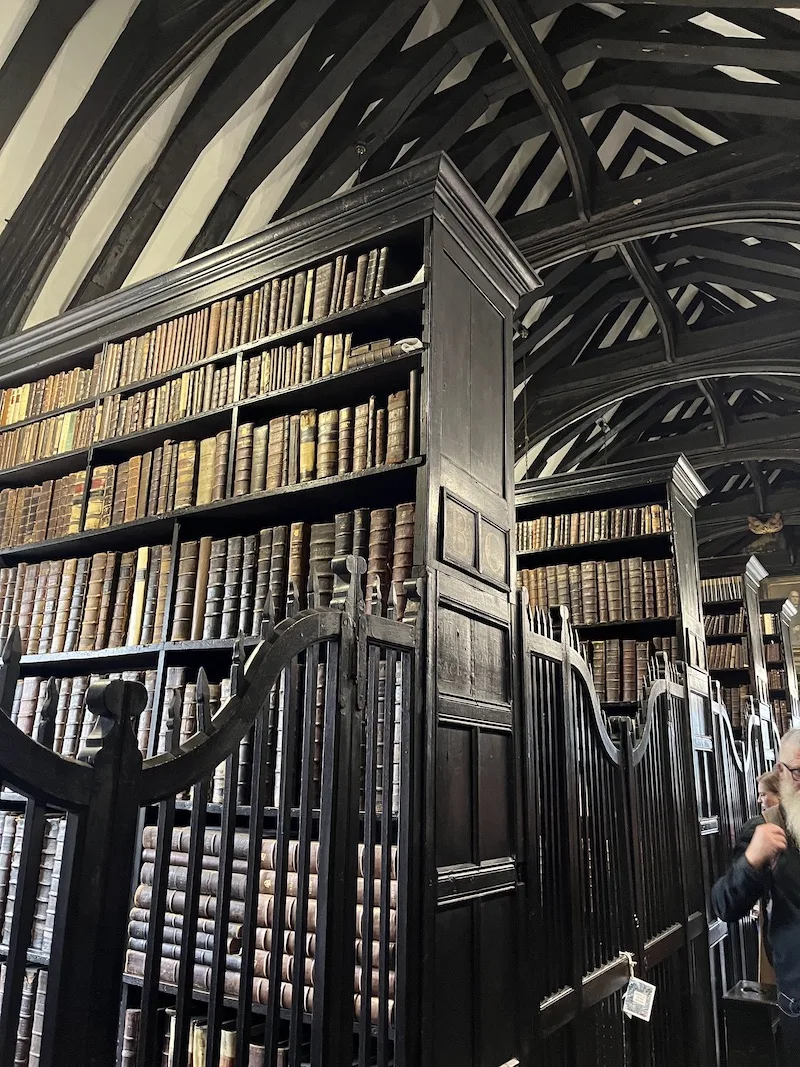
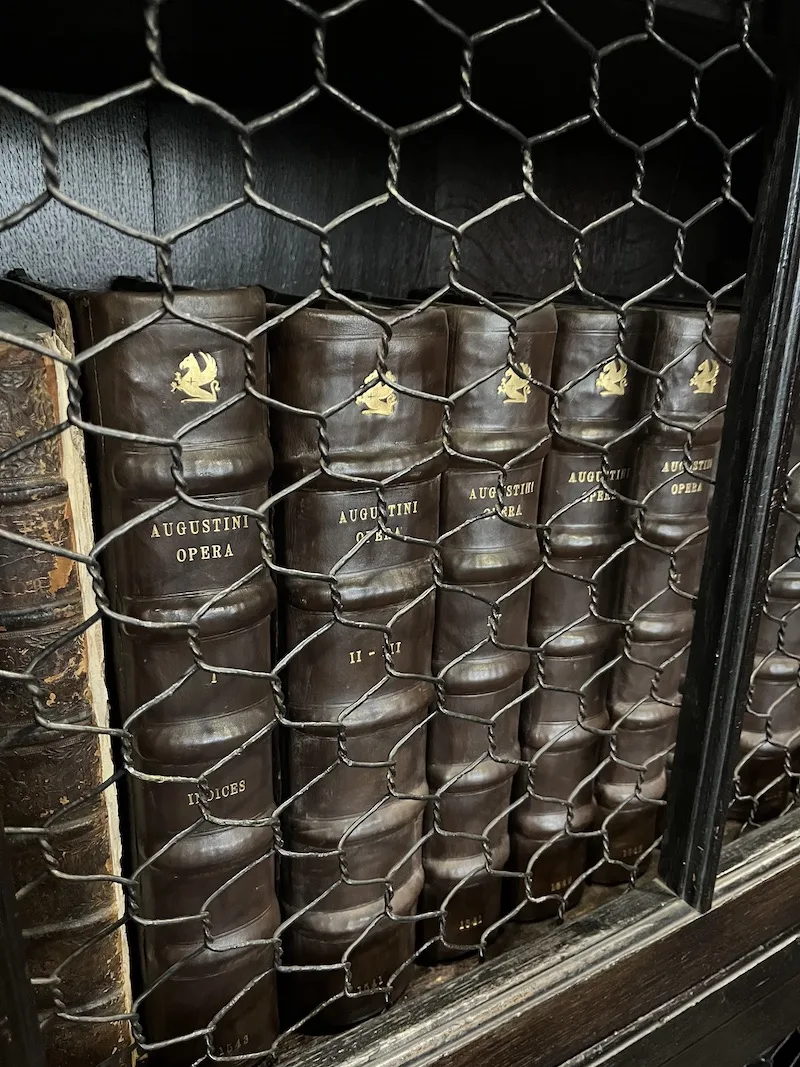
Chetham’s Library is the oldest public library in the English-speaking world. It has operated for more than 300 years in a building dating from 1421, regarded as Manchester’s oldest stone building.
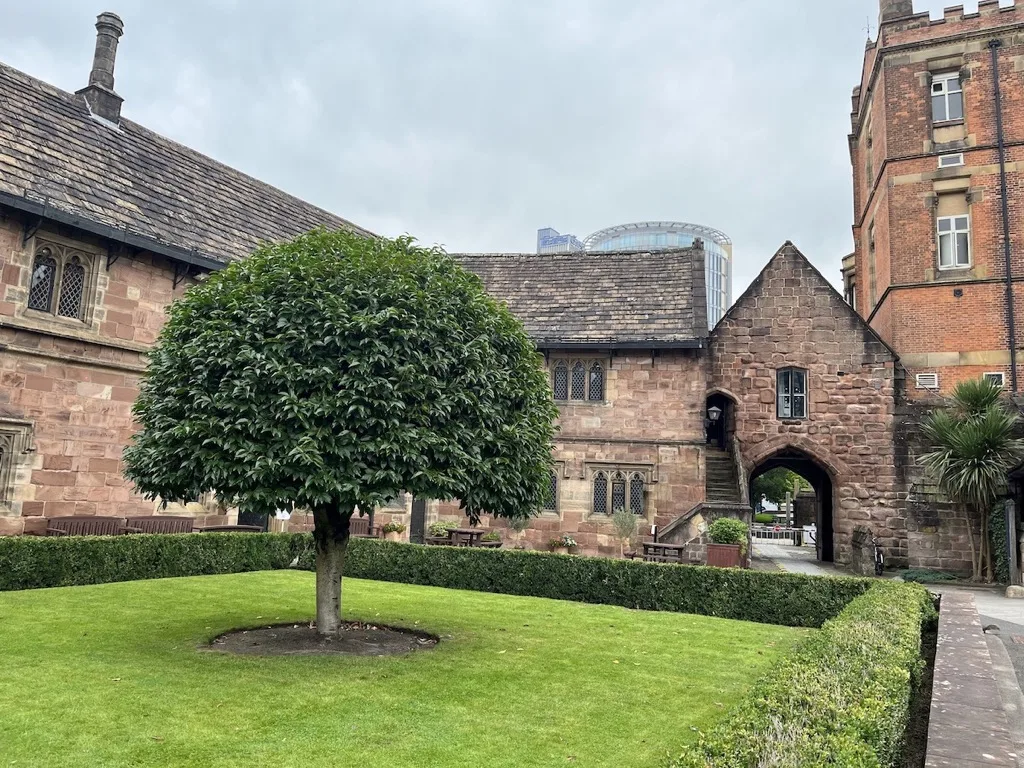
You can visit only by booking through its website in advance. You can expect an interesting guided tour lasting around an hour.
 |
 |
Science and Industry Museum
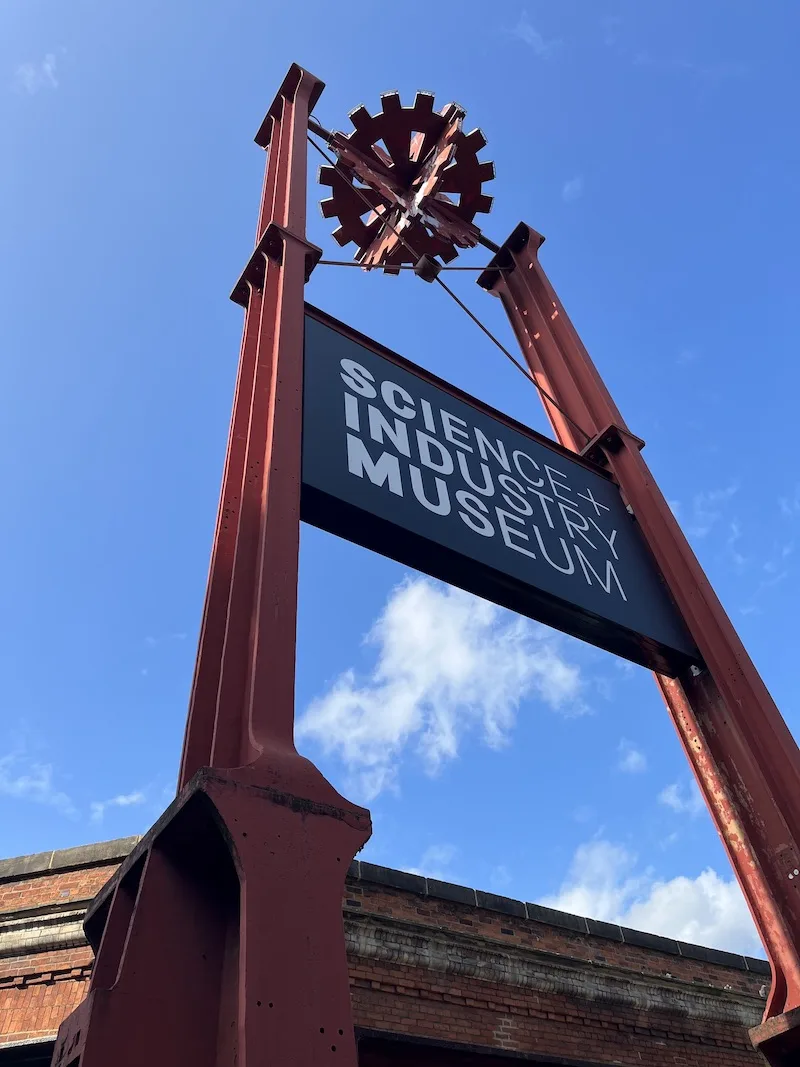
Anyone interested in science and industry should visit the Science and Industry Museum.
 |
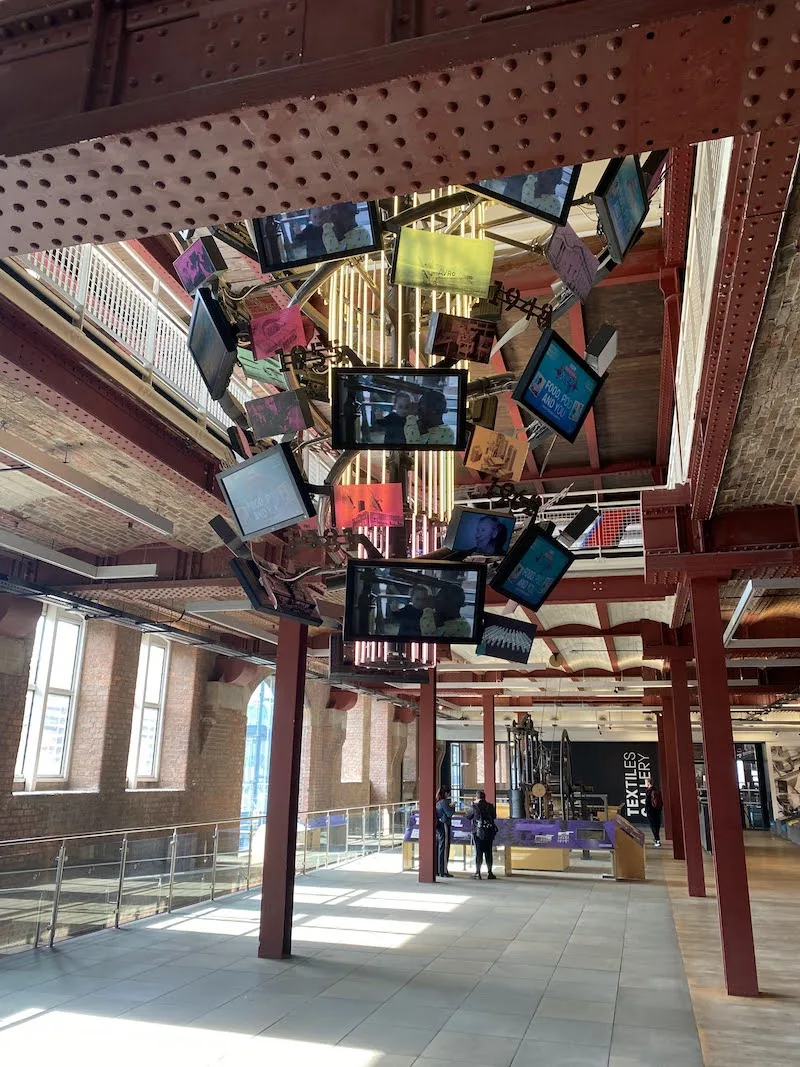 |
The museum focuses particularly on the history and technology of cotton processing, historically associated with Manchester and a principal driver of the city’s growth.
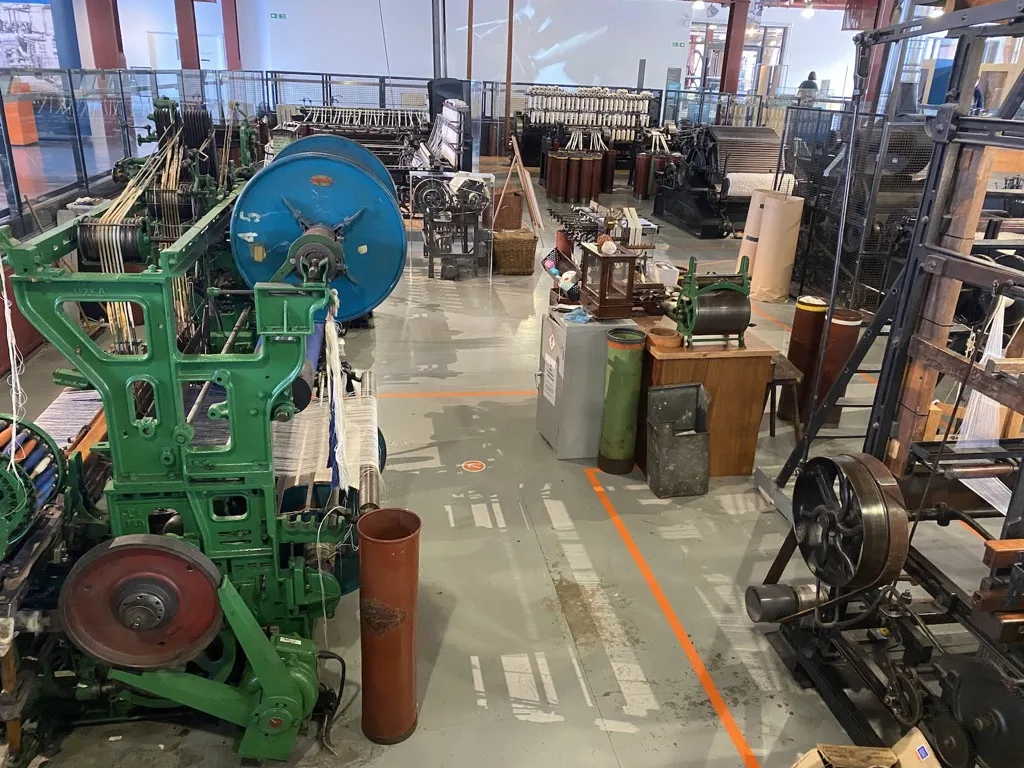
It also has an information-processing and computing exhibition that includes the Manchester Baby.
Royal Exchange
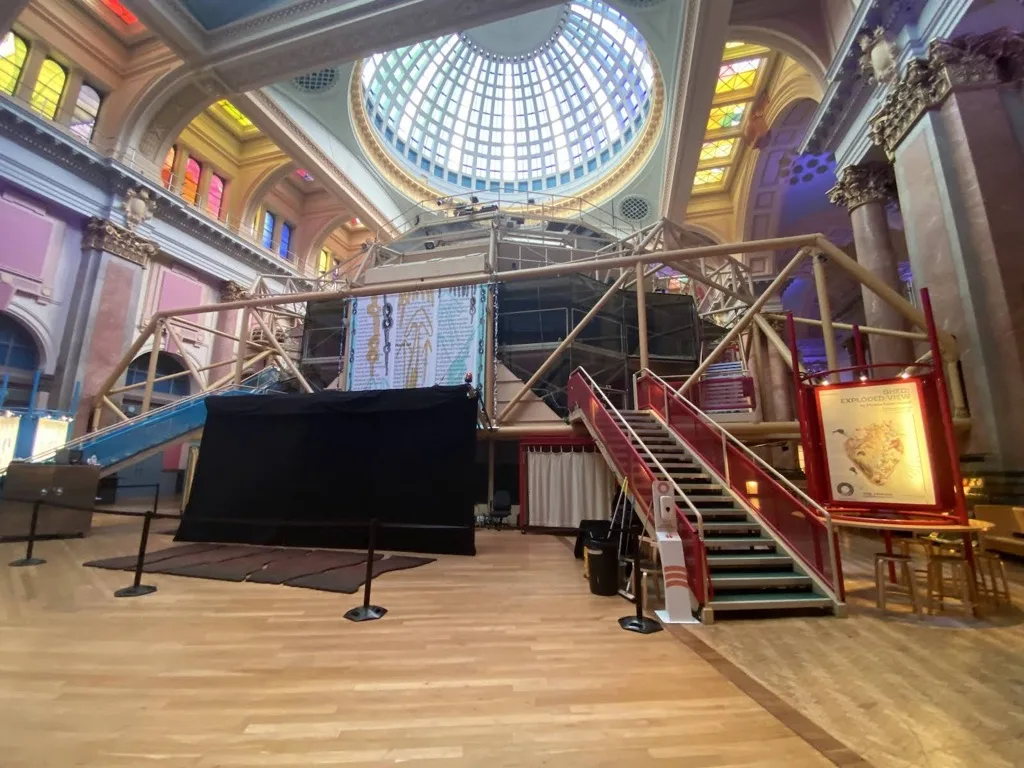
The Royal Exchange is a fascinating historic building where commodities were once traded.
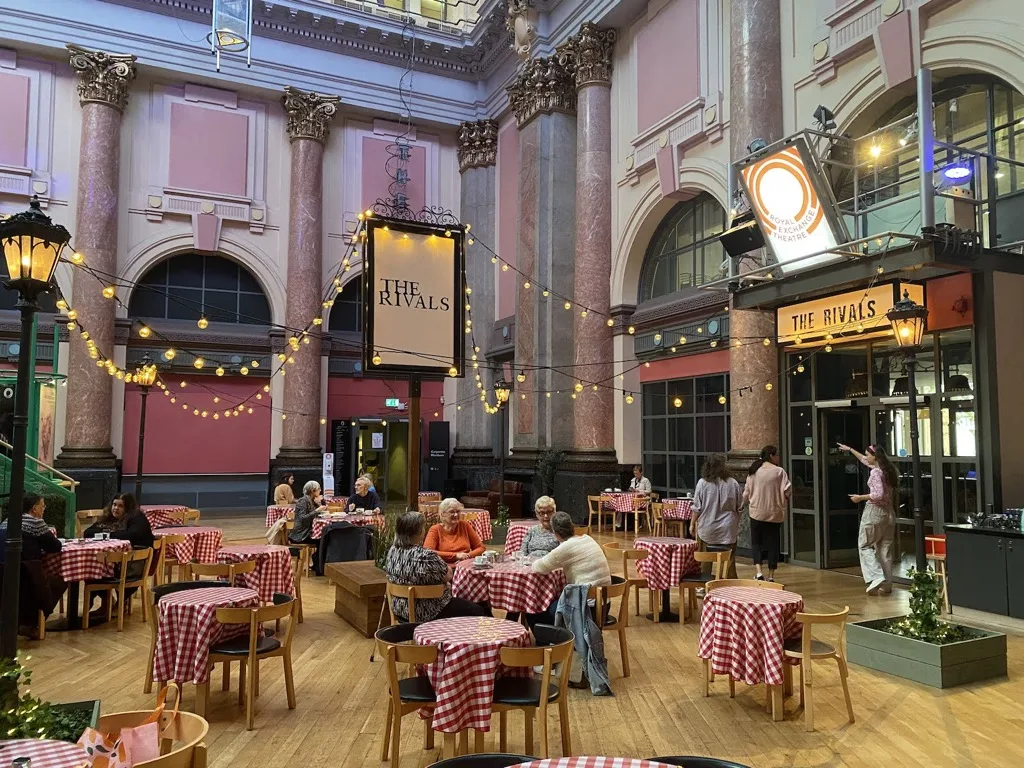
Today it primarily contains restaurants, shops and the Royal Exchange Theatre, whose unusual circular stage stands in the middle of the building.
A Manchester United match
One reason for my visit to Manchester was to attend a football match: Manchester United against Crystal Palace in a domestic cup competition.
Buying English football tickets is not simple. Everton and Manchester City were both playing away during my visit, leaving only Liverpool FC and Manchester United at home.
 |
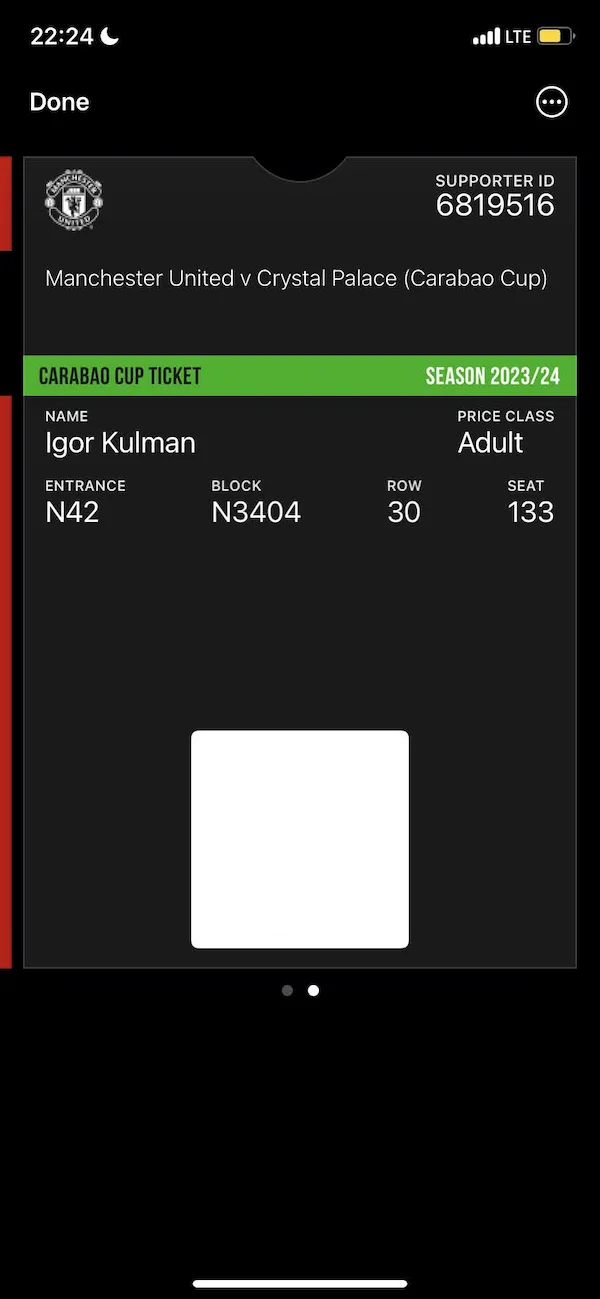 |
I could not obtain a Liverpool ticket. I succeeded with Manchester United, probably because this was a cup match rather than a normal league fixture.
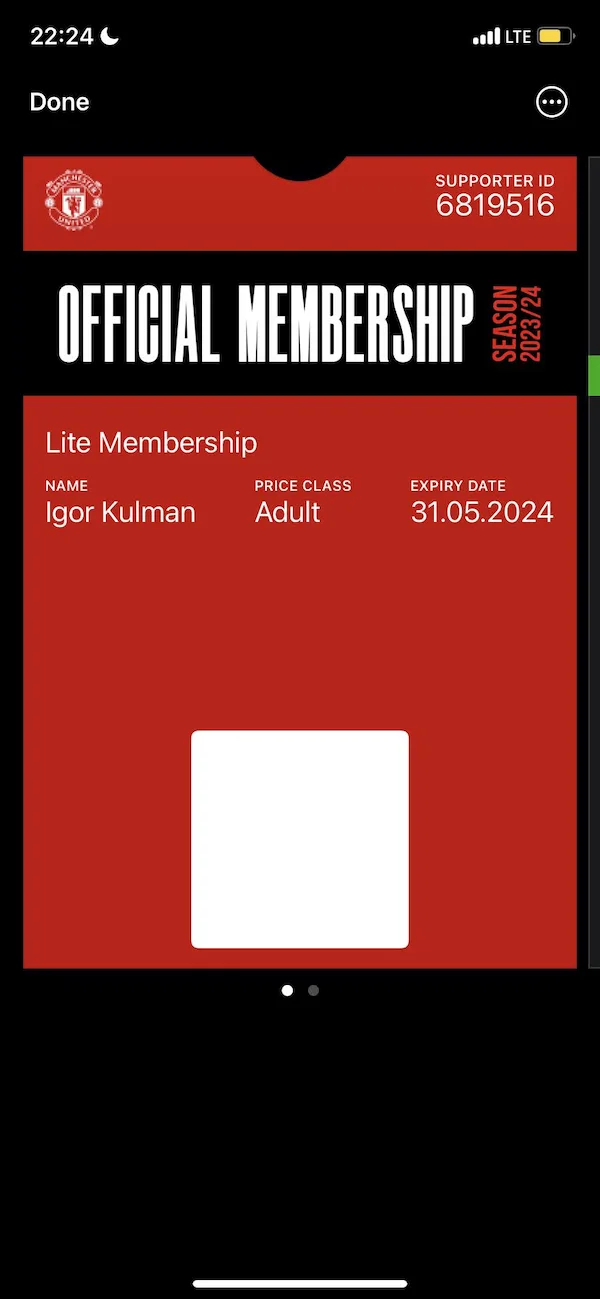
Even then, you cannot simply buy a ticket. You must first become a club member, so the ticket also requires an annual membership fee costing about as much as the ticket itself.
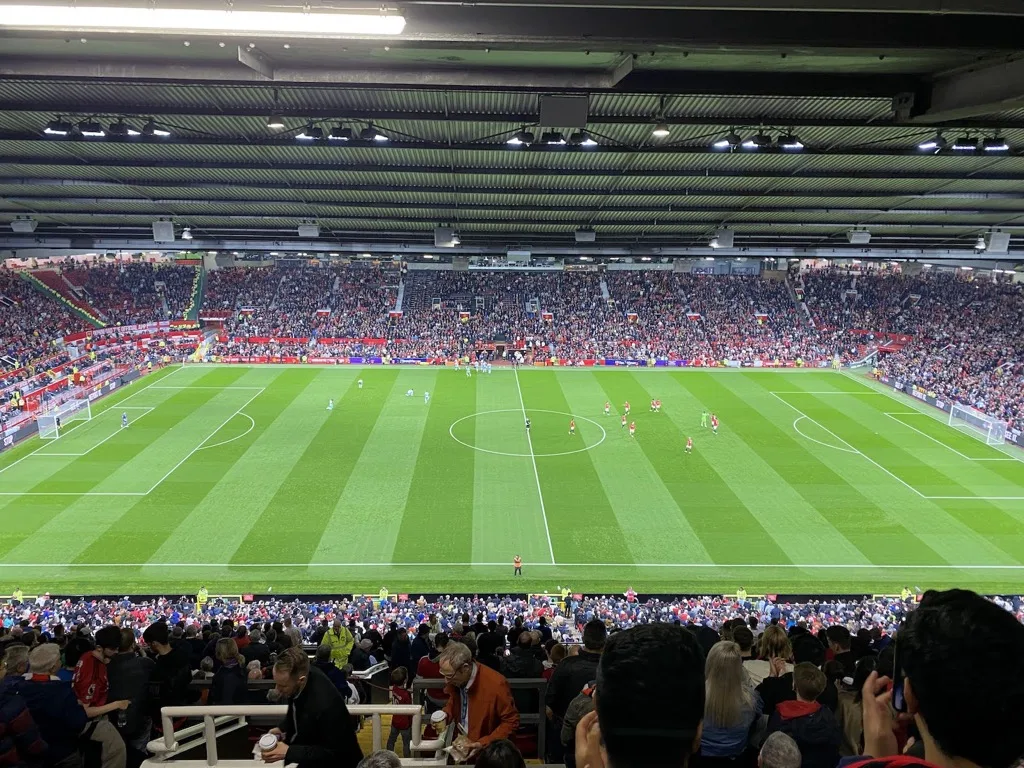
The experience is worth it. Old Trafford is a large old stadium holding around 70,000 people, yet its organisation and division into sections prevent it from feeling overcrowded or cramped, and every seat has a very good view of the pitch.