Food in Japan 🇯🇵
Food interests me in every country I visit. In Japan, it is quite different from what we are accustomed to in Europe.
Many people may imagine that the Japanese mainly eat sushi and that absolutely all food in Japan is healthy.
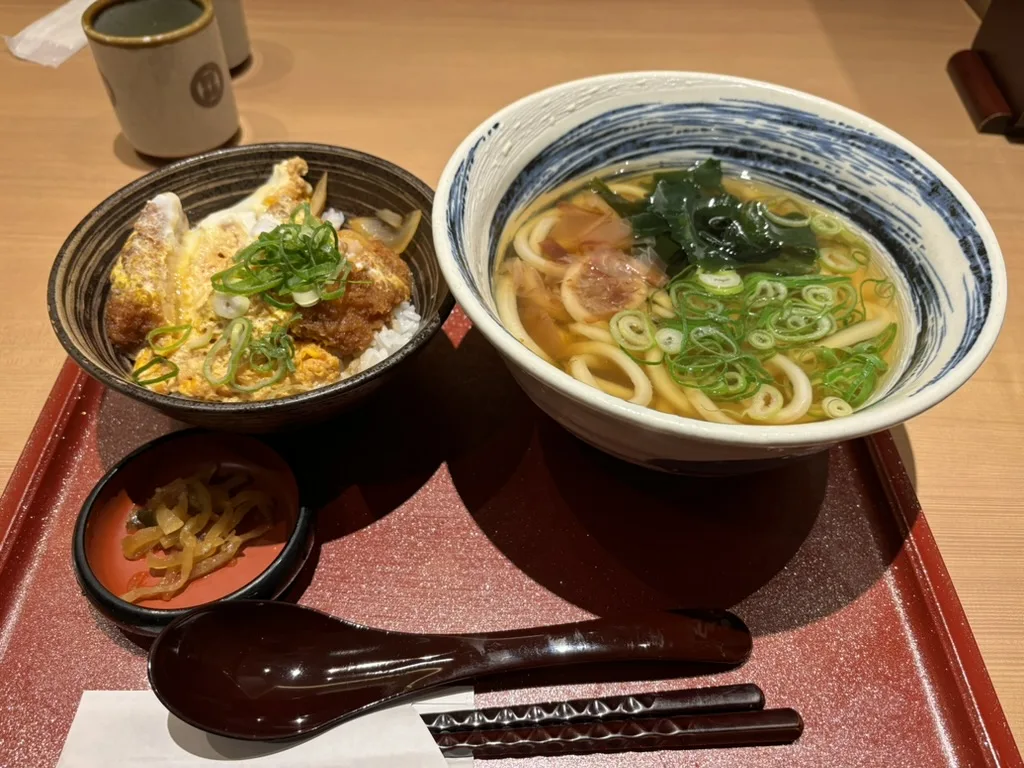
That is not true at all. Sushi is not an ordinary everyday meal, and many Japanese dishes are fried and contain very little in the way of vegetables, which does not exactly match the idea of a healthy diet.
The greatest surprise was how inexpensive the food was. At the exchange rate at the time, ¥1,000 was around CZK 150 or €6, and meals generally cost less than in Prague.
Food from a konbini
Konbini is an abbreviation of “convenience store”, essentially the Japanese equivalent of a small corner shop.
Konbini are literally everywhere in Japan and offer an interesting selection of food and drink for breakfast or a train journey, for example.
The largest chains include 7-Eleven, FamilyMart and Lawson. Although 7-Eleven is an American chain, it has more branches in Japan than anywhere else in the world.
Onigiri
The most basic konbini food is onigiri, available for around ¥120–¥150.
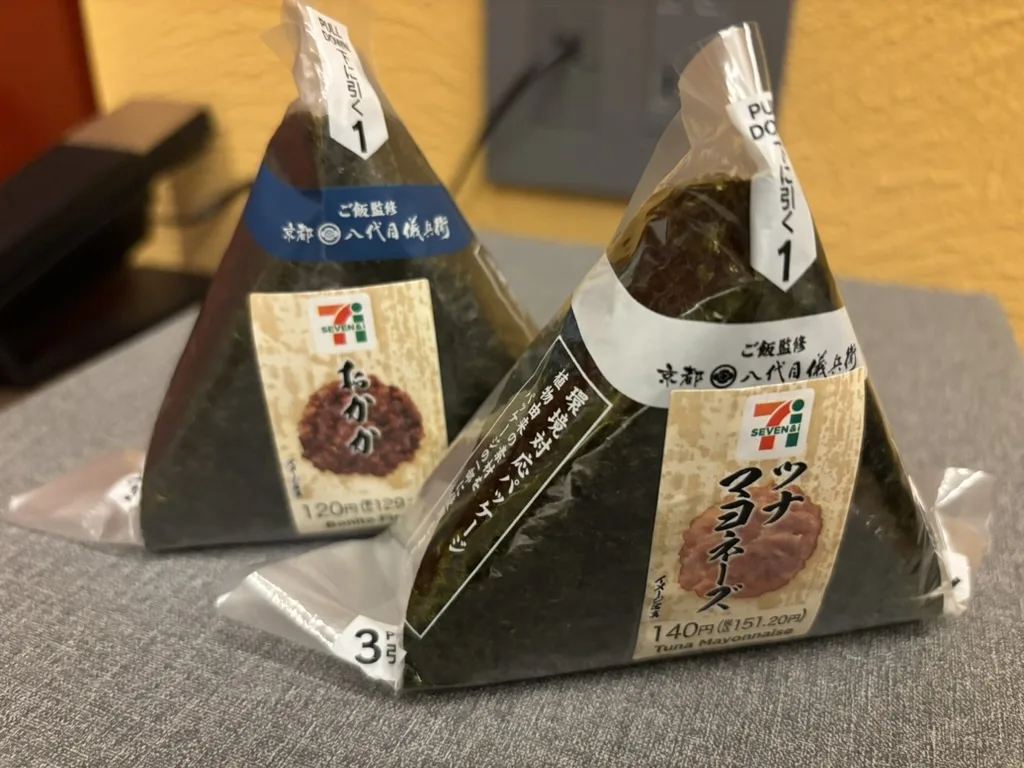
Onigiri is a triangle of rice with one of various fillings, wrapped in seaweed.
Sandwiches
Sandwiches are an alternative to onigiri. Konbini sell many varieties for around ¥300–¥400.
Perhaps the most popular is filled with an egg mixture, while BLT and tonkatsu—fried pork—are other classics.
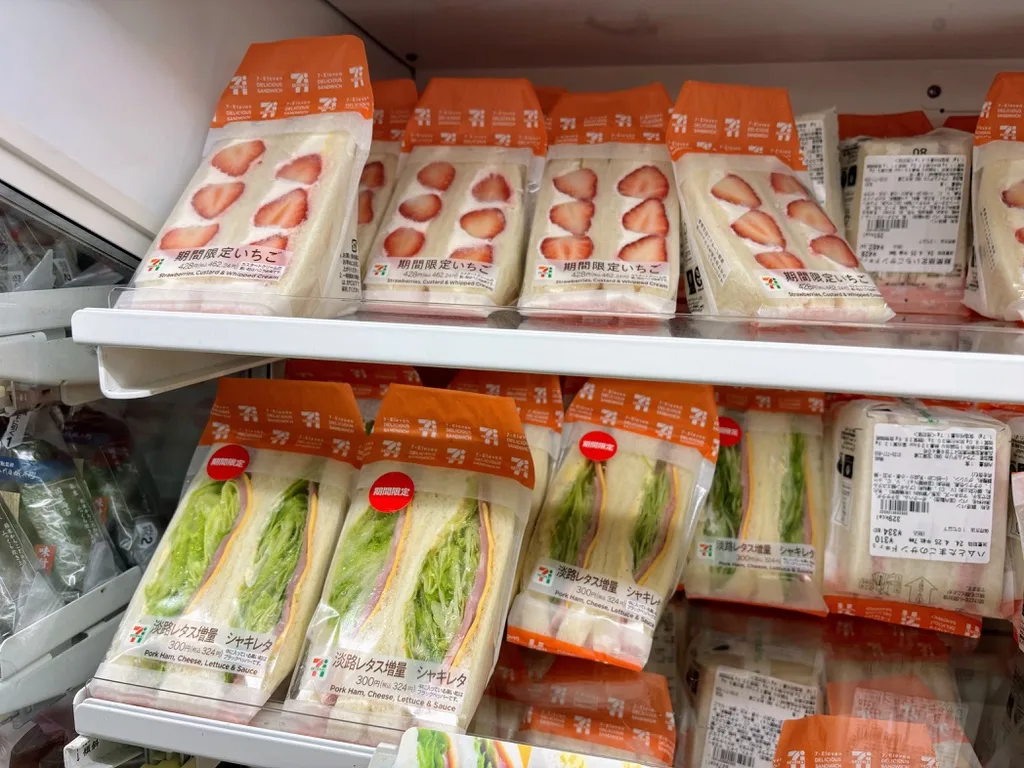
There are also fruit versions that seem quite unusual to Europeans, including popular sandwiches filled with strawberries and whipped cream.
Drinks
Japan has a fascinating and inexpensive selection of bottled drinks.
Half a litre of green tea, for example, costs around ¥120, both in konbini and in vending machines throughout the country.
I was more interested in the heated drinks than those in the refrigerators. Konbini have special shelves that keep bottles warm, allowing you to buy hot coffee or warm milk tea—a weak black tea with milk and plenty of sugar.
Set meals
Many Japanese restaurants offer set meals called teishoku, something like a European lunch menu.
A typical set includes a main dish, rice, miso soup and often a small dessert.
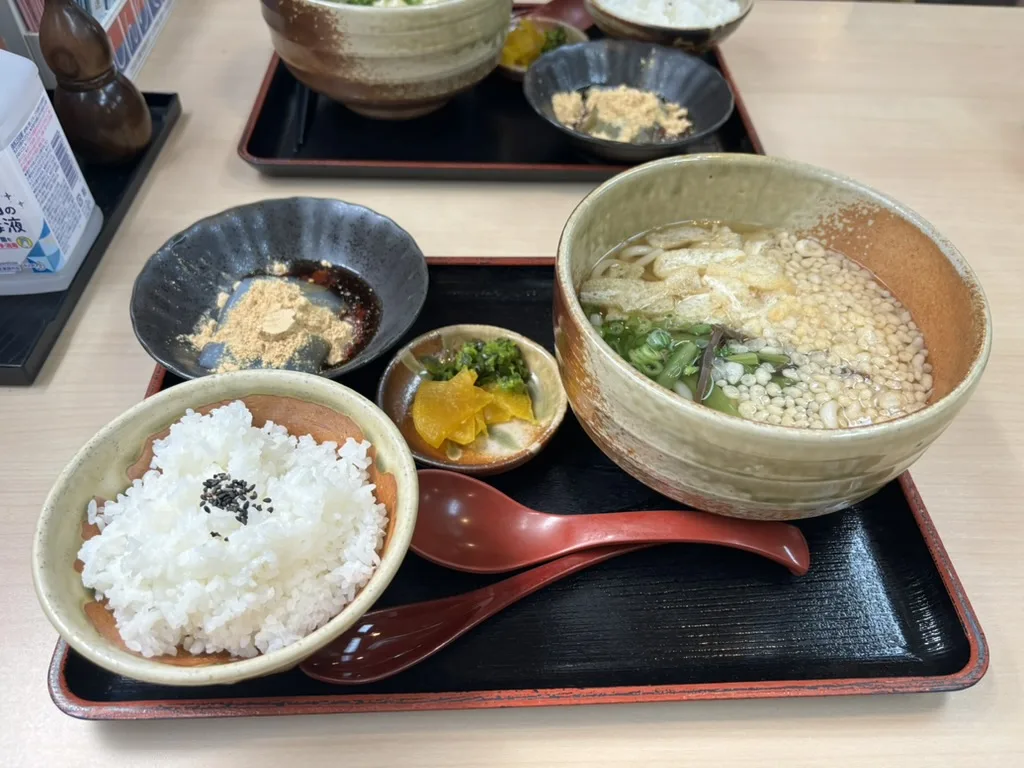
For a tourist, these sets are an easy way to order a complete Japanese meal, often for only around ¥1,200.
Ramen
Ramen is available on almost every corner in Japan and may be the most accessible food in terms of both the number of restaurants and the price. Just look for the sign ラーメン.
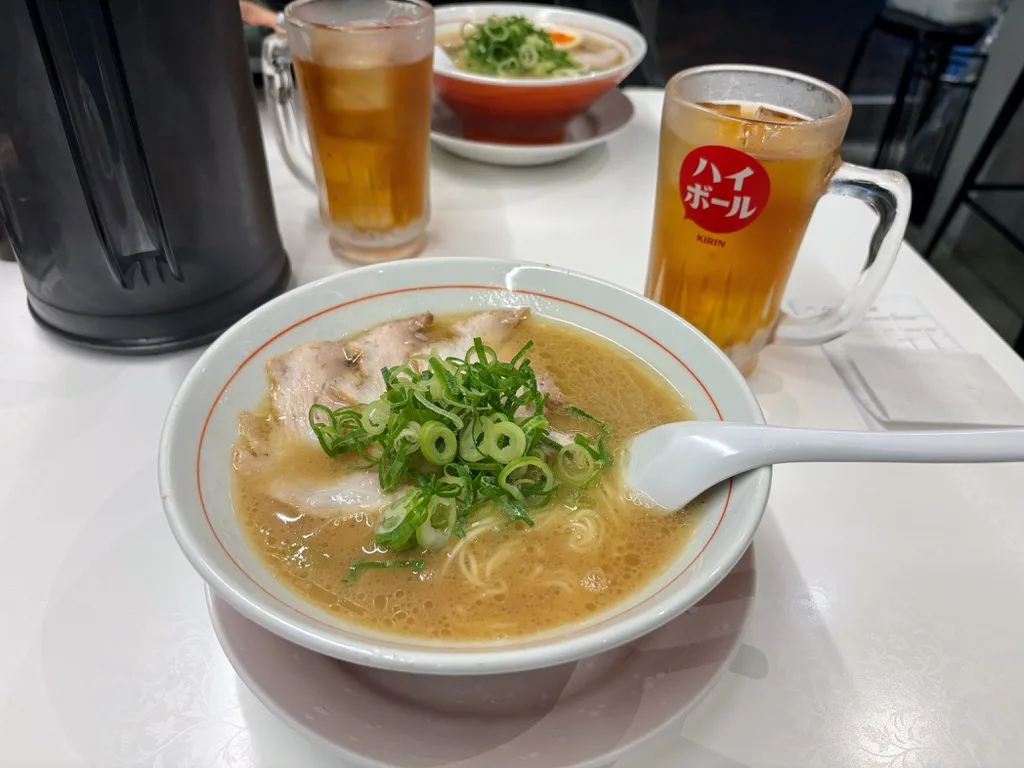
A basic bowl typically costs around ¥1,000. English alone may not be enough in smaller restaurants, although picture menus are often available.
Tourists are most commonly directed towards the Ichiran chain, but I would also recommend Ippudo.
Ichiran
Ichiran is probably Japan’s best-known ramen chain and is extremely popular.
Long queues outside are therefore common. I wanted to try Ichiran in Dotonbori, Osaka, but the queue put me off. I eventually waited for around half an hour at a branch in Tokyo instead.
The entire ordering and dining process at Ichiran is interesting. The restaurant essentially serves only one kind of ramen, although you can add various extras.
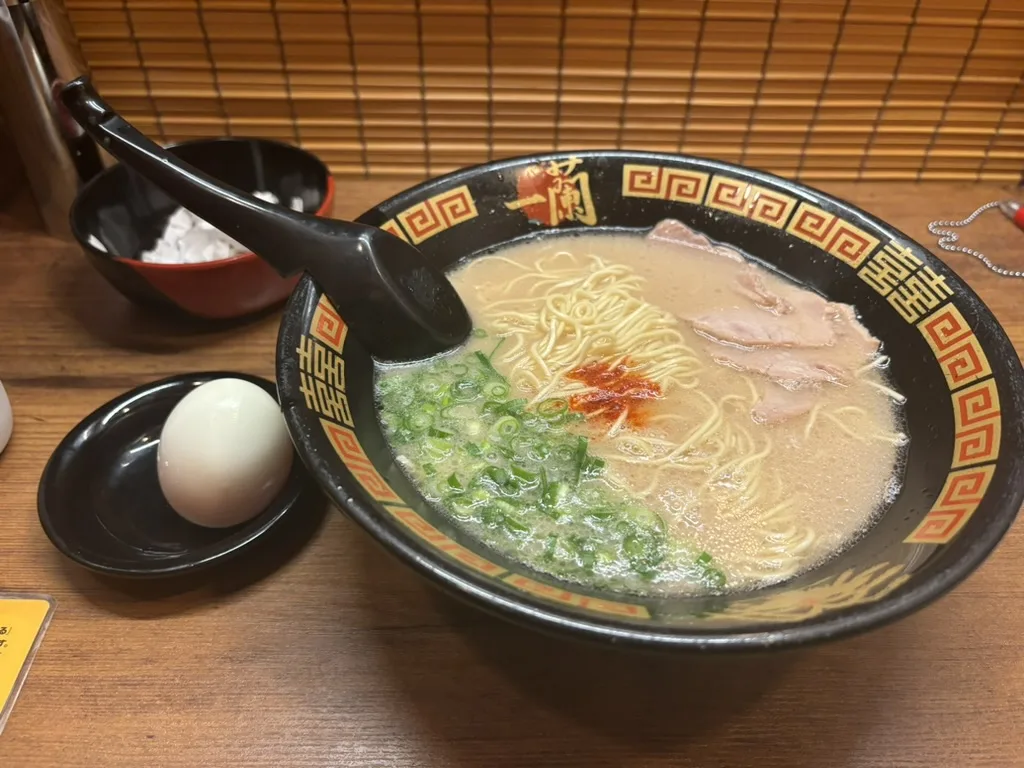
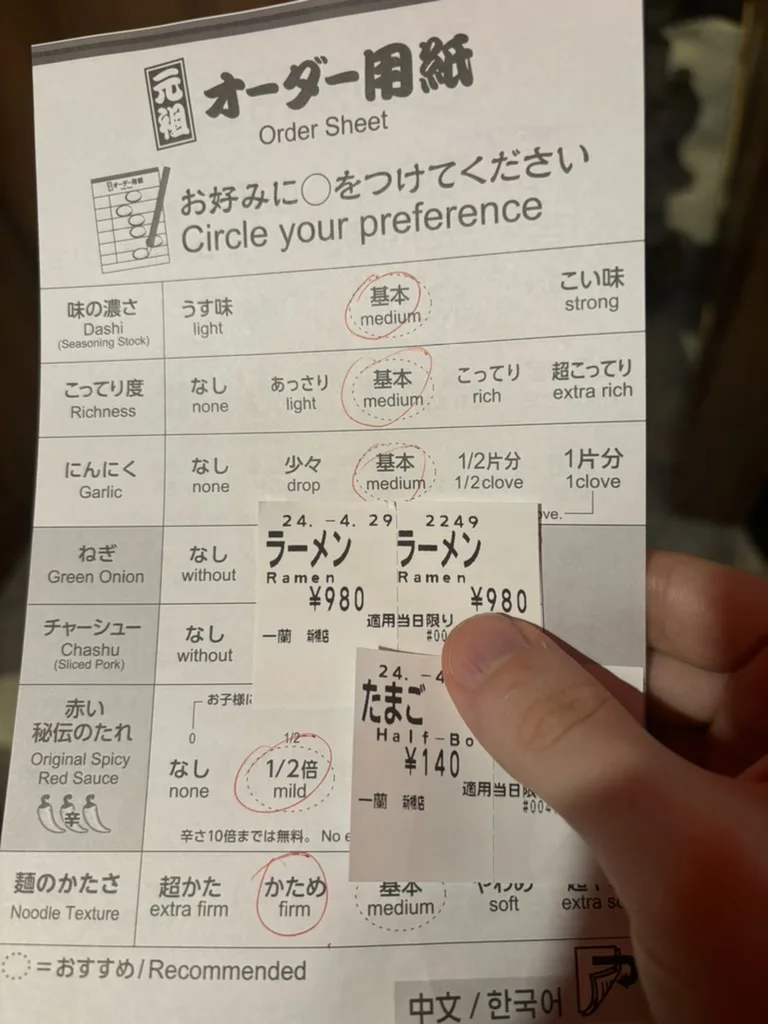
After queuing and entering the restaurant, you order and pay at a machine. Card payments are accepted.
The machine gives you a ticket confirming the order, while a member of staff hands you a form on which to specify your preferences.
You fill it in while waiting for a table—or rather, a booth. The forms are available in English.
When a space becomes available, you are seated in your booth. A small door opens in front of you, through which you hand over the order ticket and preference form.
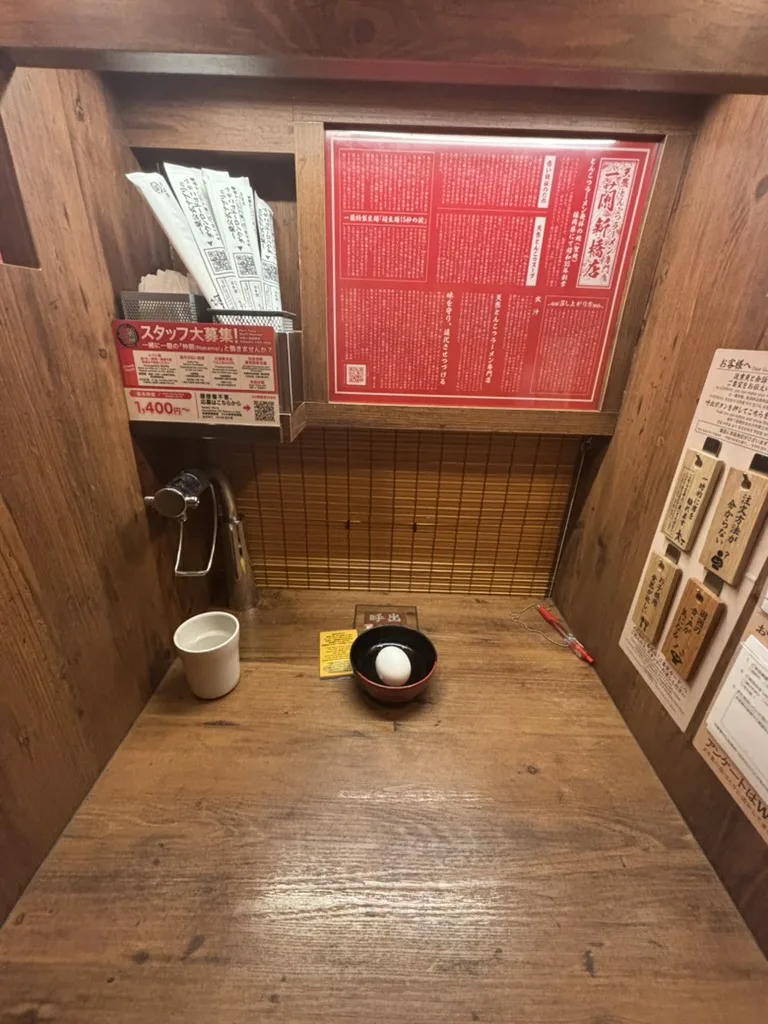
While waiting for the ramen, you can pour yourself some water, which, as is common in Japanese restaurants, is free.
The door then opens again and your ramen appears.
Ippudo
Ippudo is another well-known ramen chain, although probably less famous than Ichiran.
I visited it twice: once at Kyoto railway station and once in Ginza, Tokyo.
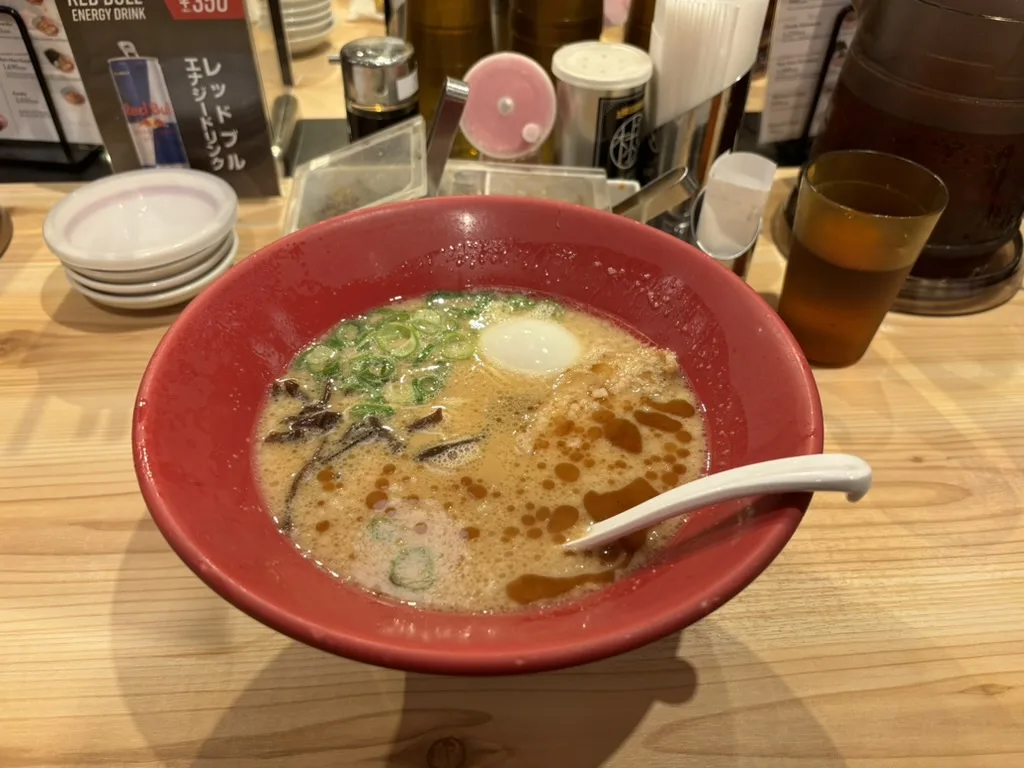
Both branches looked like conventional restaurants, with ordinary tables. In Kyoto, I ordered from a picture menu, while in Tokyo there was a tablet on the table.
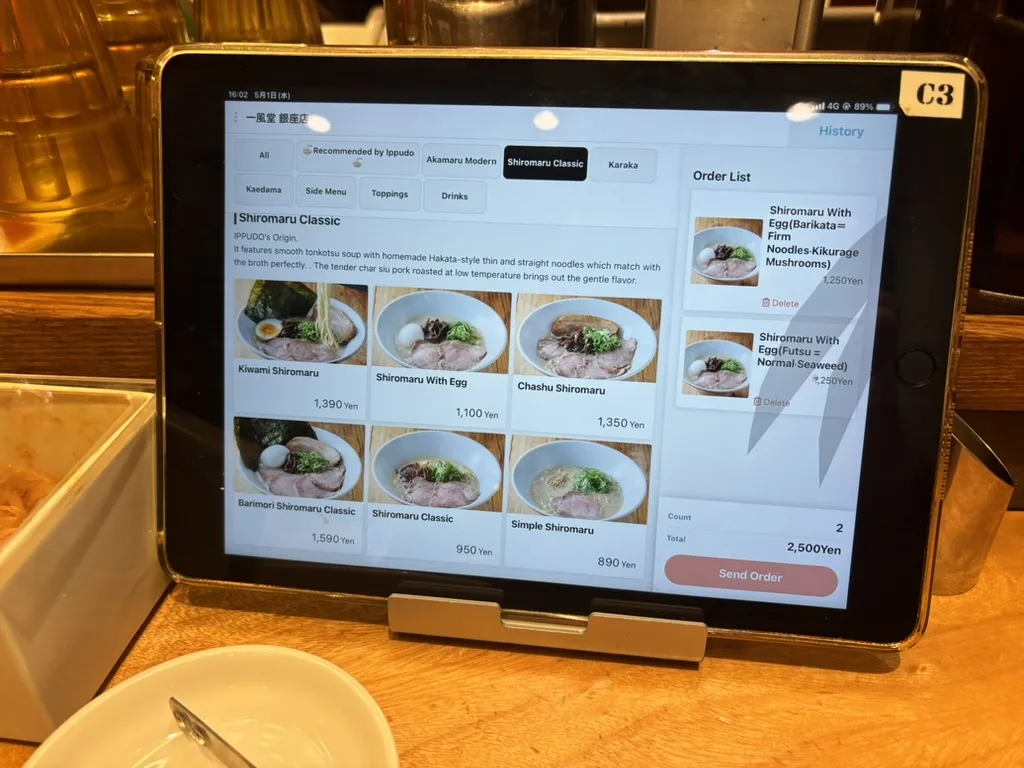
Ippudo serves three kinds of ramen, each available in several variations with different extras.
Takoyaki
Takoyaki is a typical Japanese street food found particularly in Osaka.
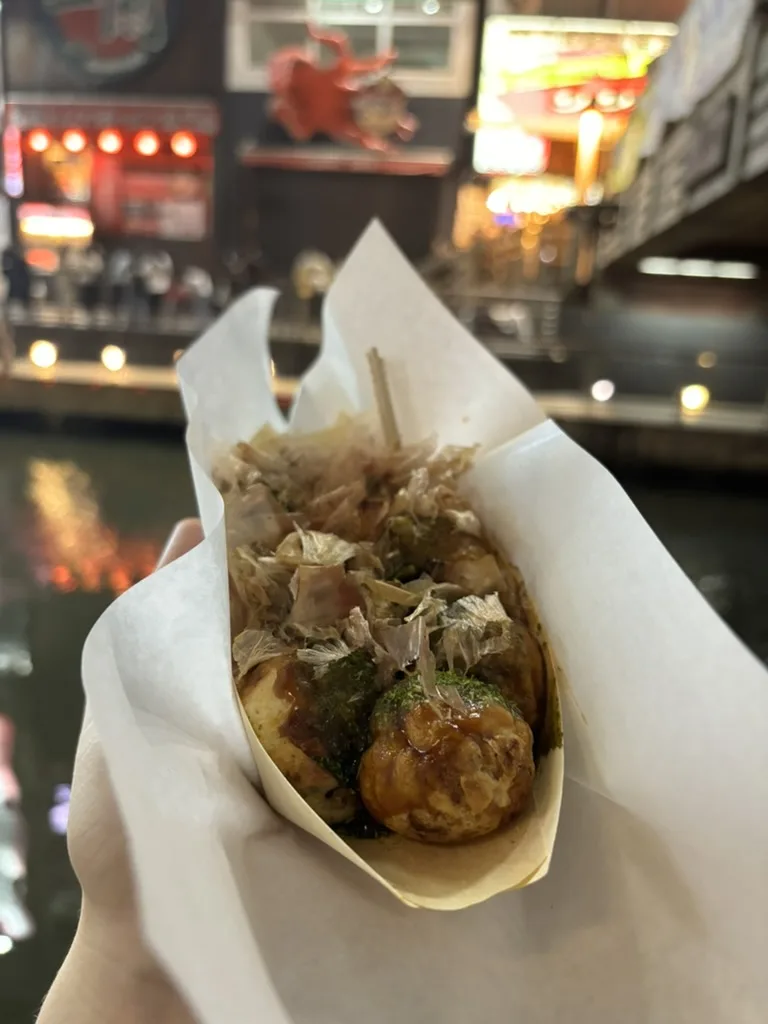
It consists of balls of tempura batter filled with octopus and served with sauce and bonito flakes.
The bonito flakes are a fascinating addition because they can appear to move.
Okonomiyaki
Okonomiyaki is something like a Japanese savoury pancake, particularly popular around Osaka and Hiroshima.
Its base consists of white cabbage and eggs, but the fillings can be almost anything.
In an okonomiyaki restaurant, you typically sit at a table with a hot griddle in the centre.
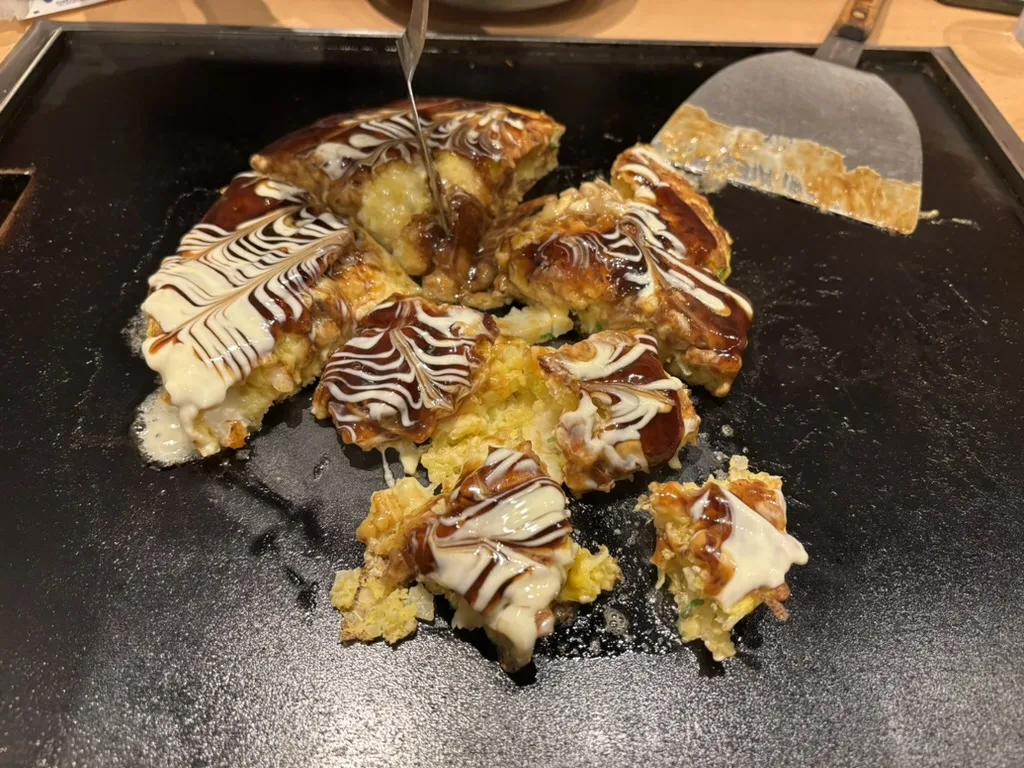
The okonomiyaki is served on this griddle, from which you transfer it to your own plate.
At a slightly more upmarket restaurant in Osaka, it cost less than ¥2,000.
Soba
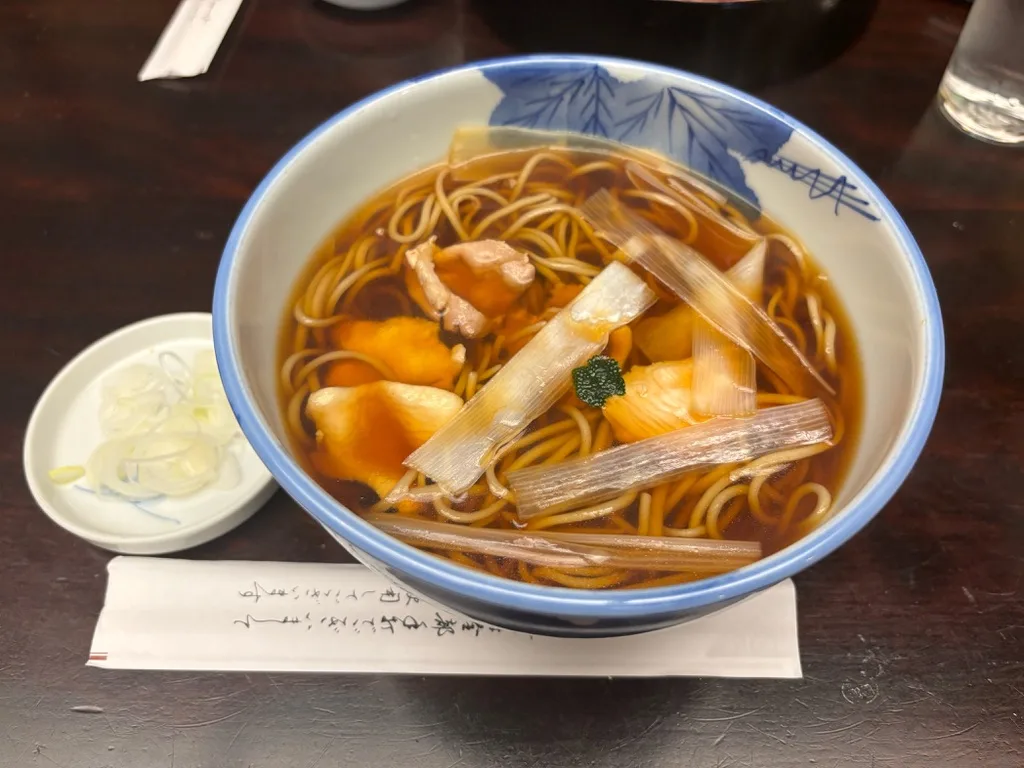
Soba are noodles made from buckwheat flour and can be ordered hot or cold.
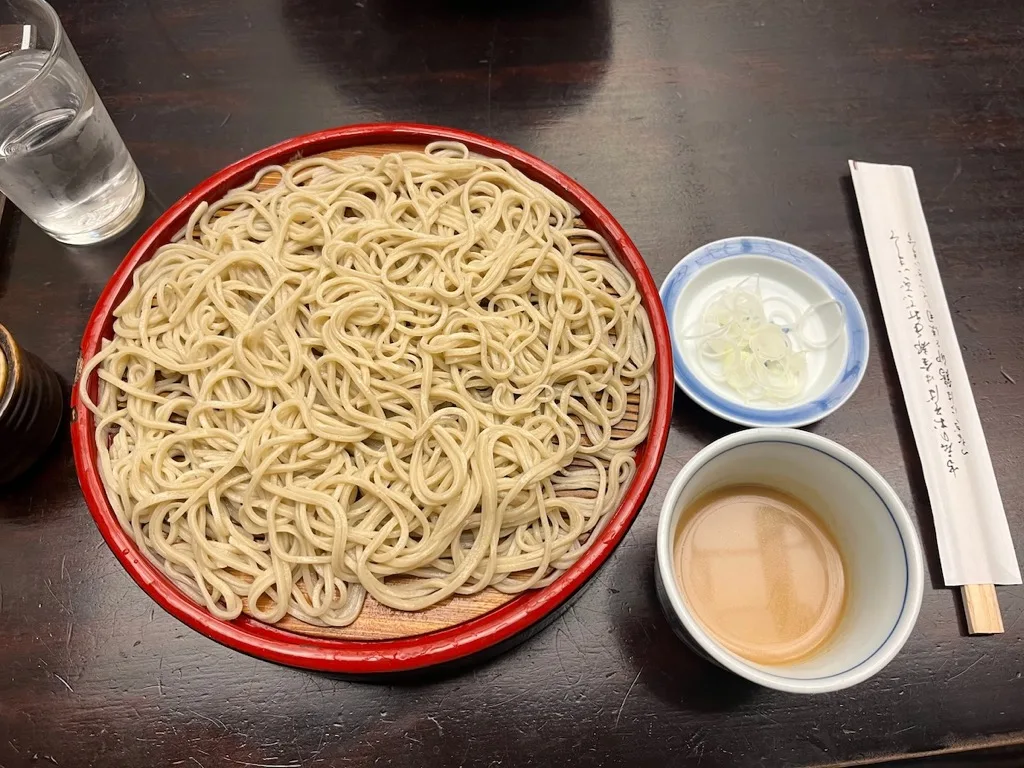
You dip the noodles into the accompanying soup and eat them with chopsticks. When finished, you add some of the water in which the soba was cooked to the remaining soup and drink it.
Tsukemen
Tsukemen is ramen served with the noodles and soup separately. The noodles are dipped into the broth before being eaten, in a similar way to soba.
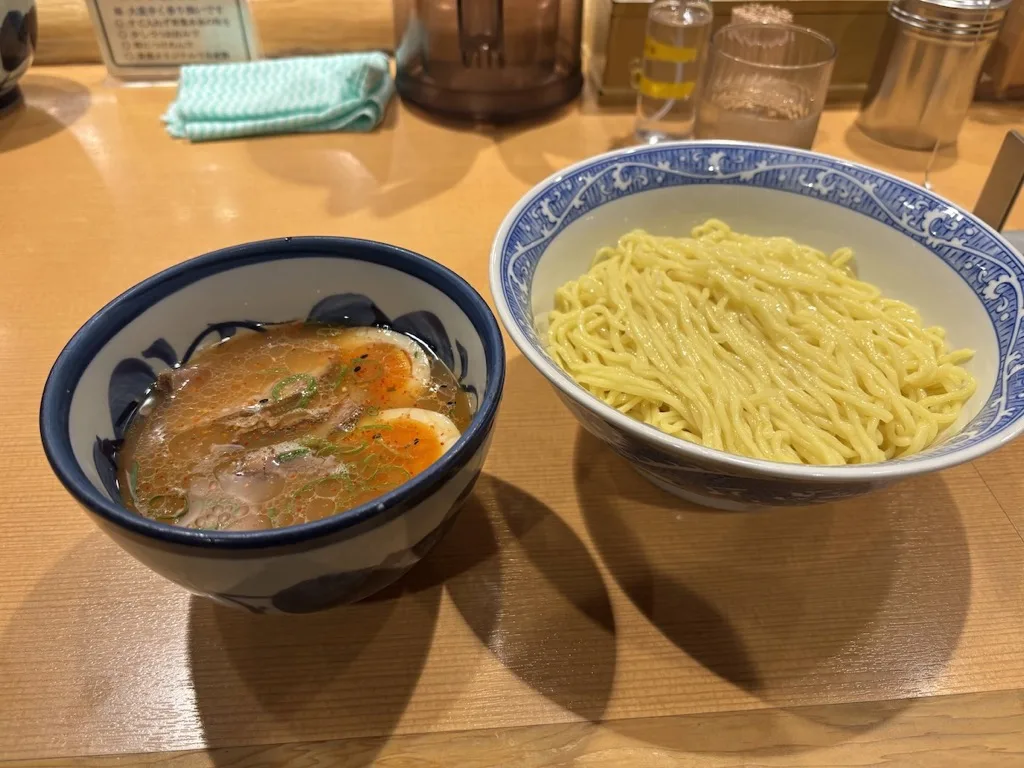
The broth tends to be stronger and thicker than ordinary ramen broth, often containing pieces of meat and egg. The noodles are cold or lukewarm, creating an interesting contrast with the hot dip. It is an ideal summer dish or an alternative for anyone wanting to try ramen in a different form.
Tonkatsu
Tonkatsu is a fried pork cutlet sliced into pieces and typically served with rice and cabbage.
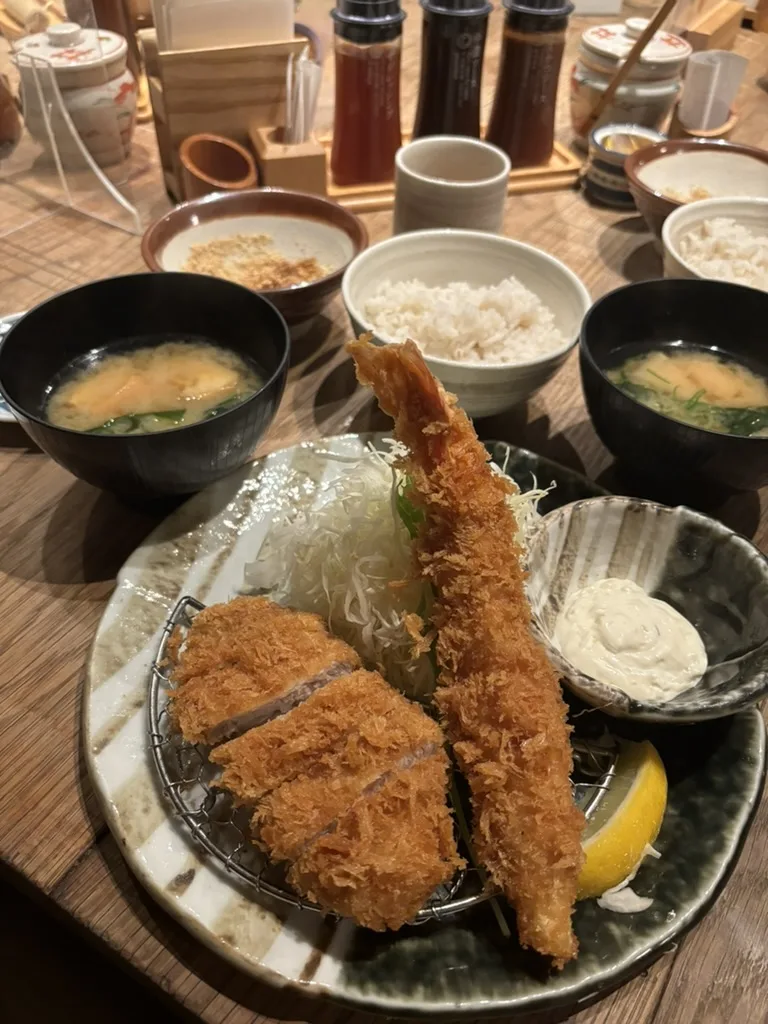
It also forms part of other dishes, including katsudon—tonkatsu in a bowl of rice—katsu sando, a tonkatsu sandwich, and katsu curry.
A set containing tonkatsu and a fried prawn cost me around ¥2,000 in Kyoto.
Karaage
Karaage is essentially Japanese fried chicken.
The main difference from European fried chicken is that the meat is marinated before frying, giving it a distinctive flavour.
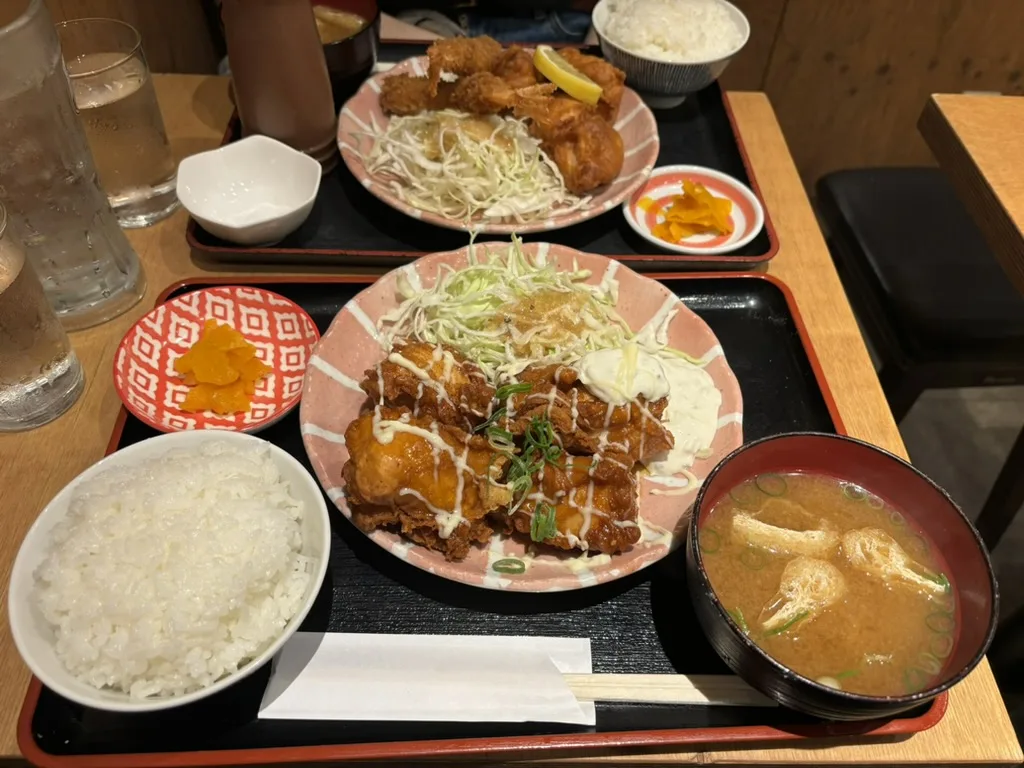
Karaage was the first meal I tried in Osaka, as part of a set costing less than ¥1,000 in a small restaurant.
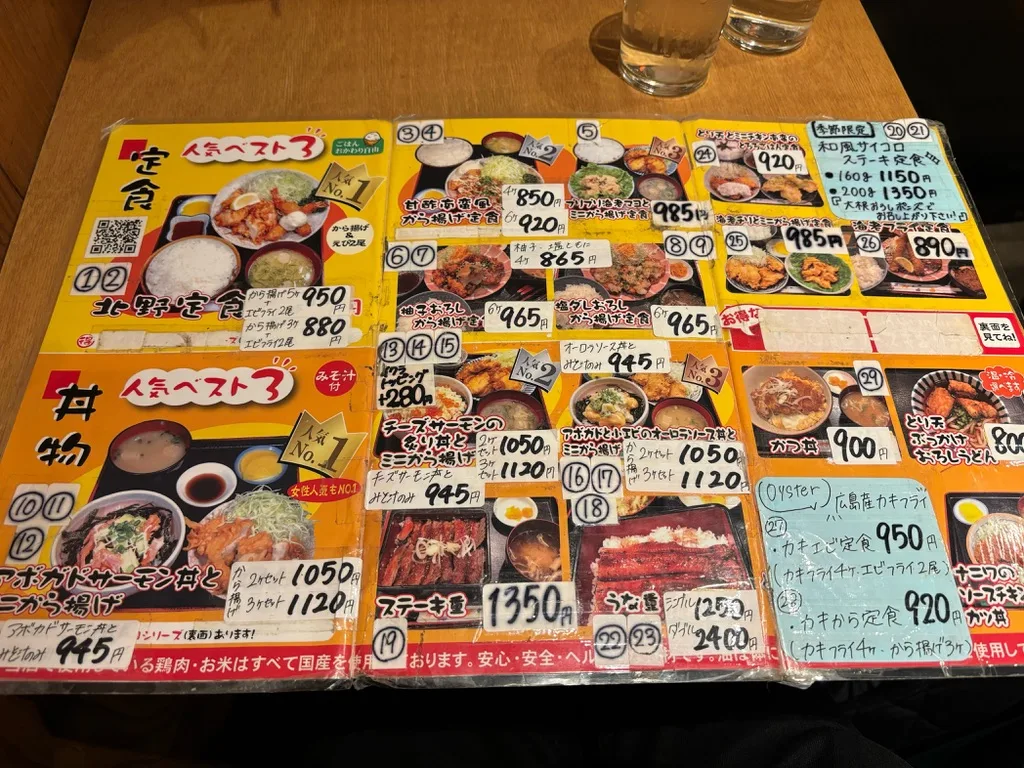
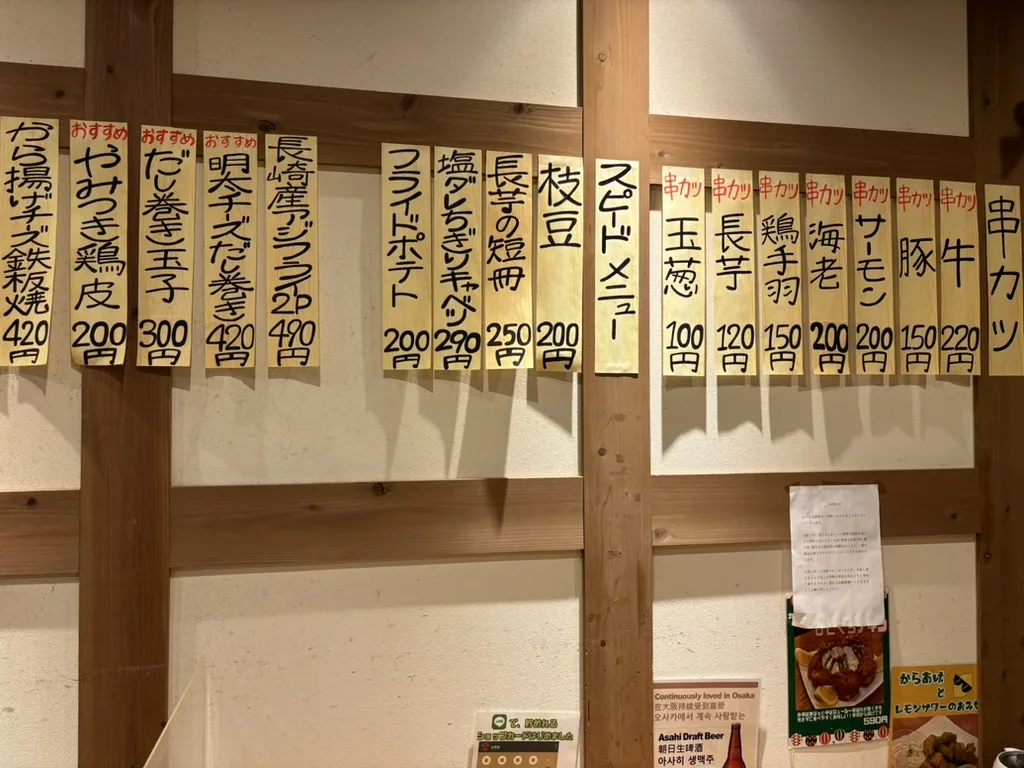
I managed to order from the picture menu. The conventional text menu was too difficult for me.
Unagi
Unagi is the Japanese name for freshwater eel, a common ingredient in Japanese cooking.
For European tourists, eel is a fairly unusual food worth trying. It neither smells fishy nor tastes entirely like fish.
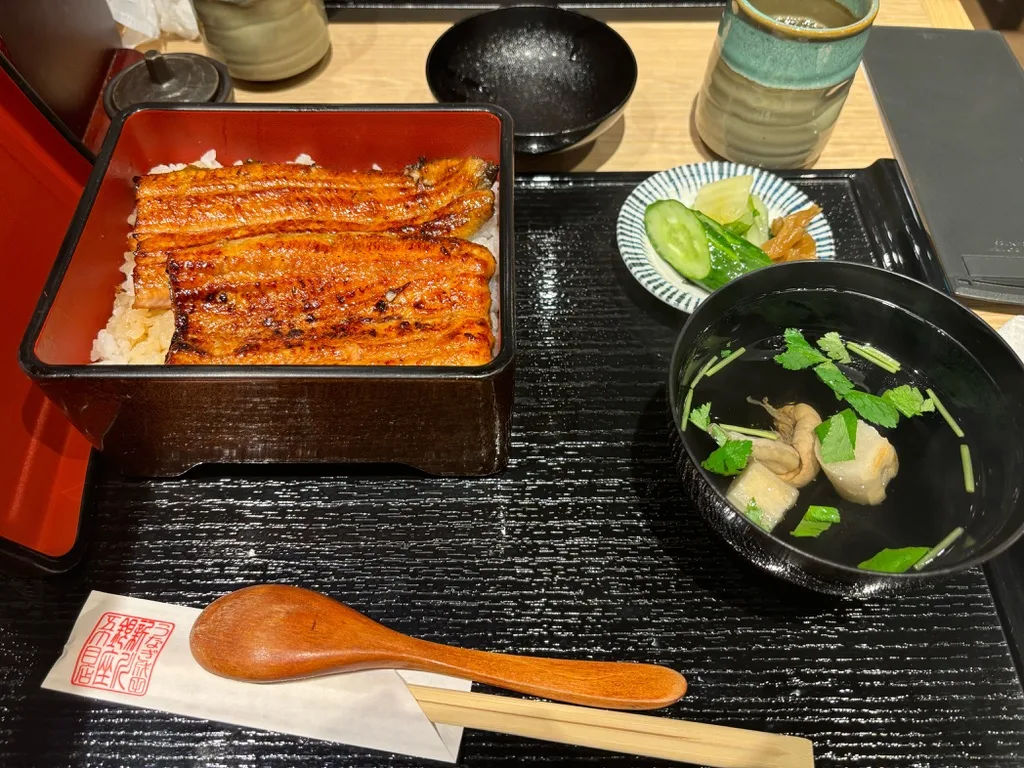
Interestingly, restaurants always warn you when ordering eel that its preparation will take at least 20 minutes.
The eel cost ¥3,300 at a restaurant in Ginza, Tokyo.
Yakitori
Yakitori consists of pieces of chicken threaded onto a skewer and grilled over charcoal. The name literally means “grilled chicken”.
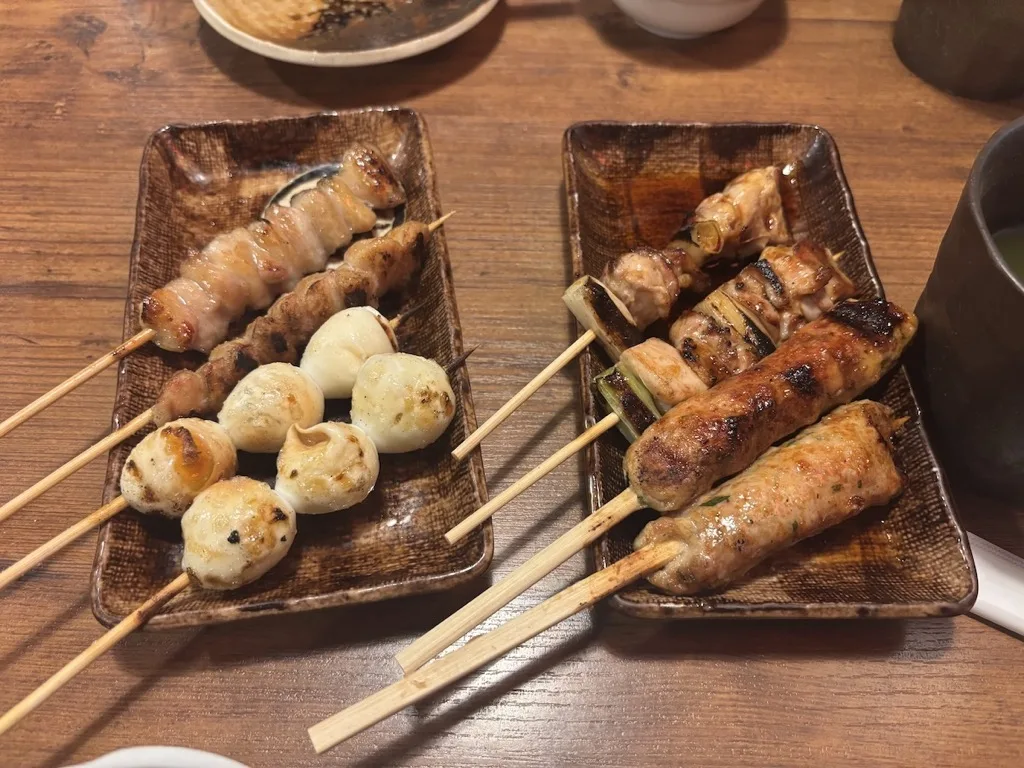
It is often served in izakaya bars as a snack with beer. Different parts of the chicken are available, from thighs and hearts to skin, either with tare sauce or simply salted.
Oden
Oden is a winter dish served in hot broth and can even be found in konbini.
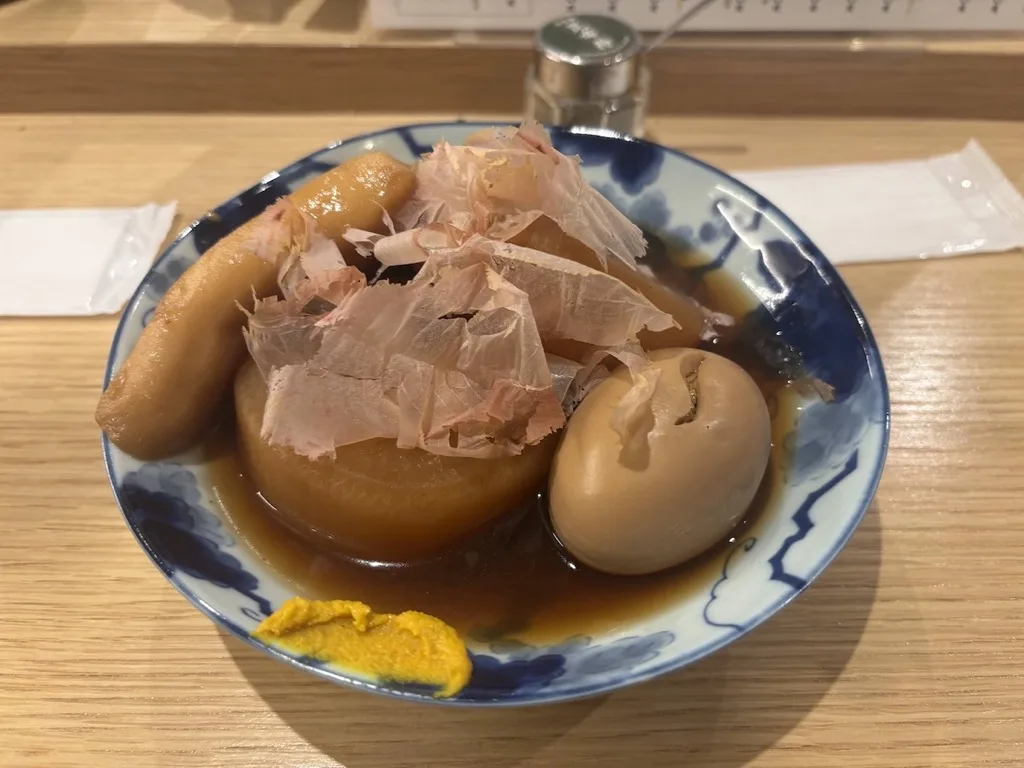
Various ingredients are added to the broth, including boiled eggs, daikon radish, fish cakes and tofu. Everything cooks slowly and absorbs the flavour.
Curry bread
As the name suggests, curry bread is a pastry filled with Japanese curry.
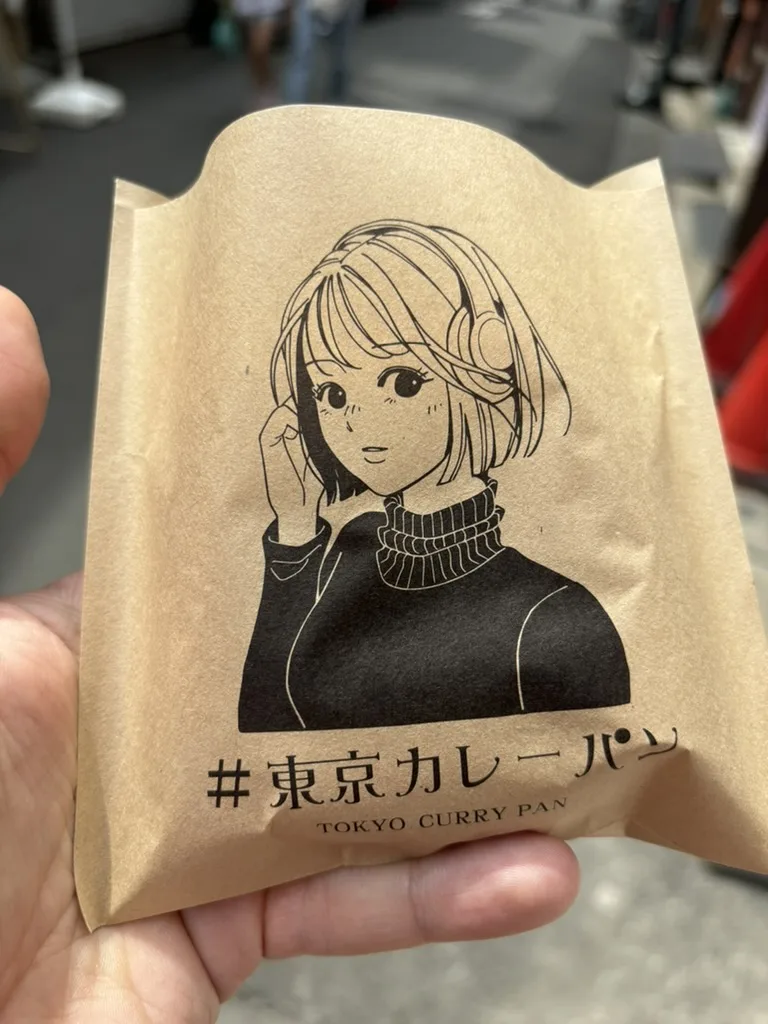
Japanese curry is rather different from the curry familiar from Asian restaurants in Europe.
I tried curry bread at the Tokyo Curry Pan stall in Asakusa, where it cost ¥500.
Menchi-katsu
Menchi-katsu is a breaded and fried Japanese patty made from minced meat.
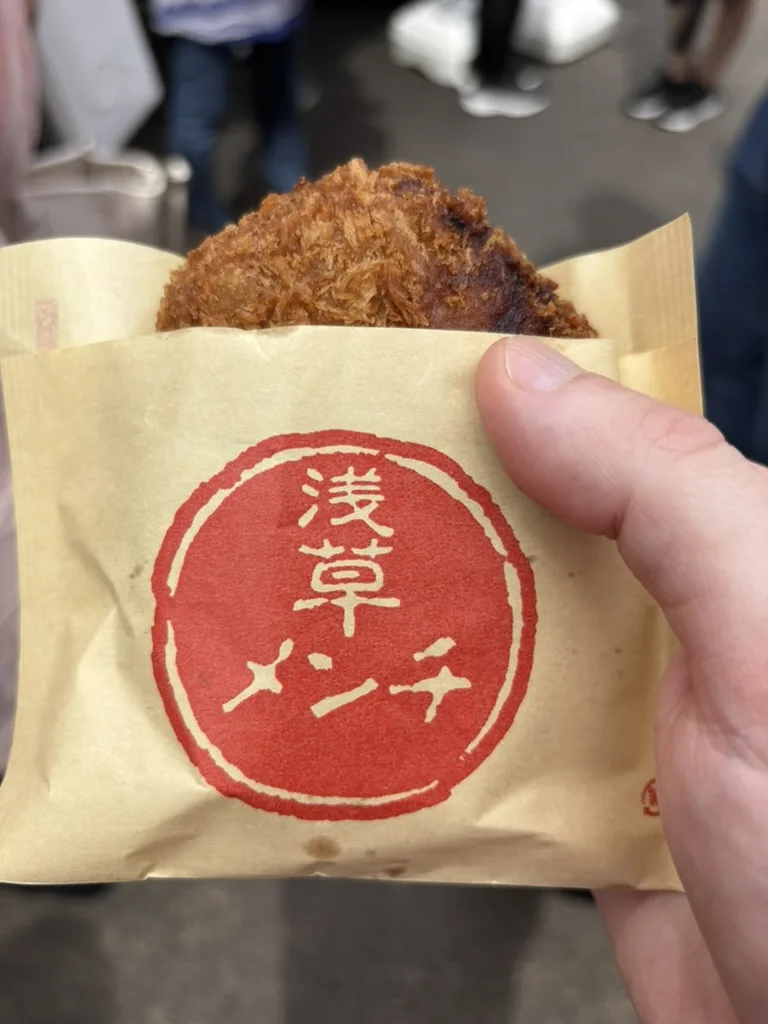
A menchi-katsu from Asakusa Menchi cost around ¥200. It may have been the only food I disliked in Japan because of its strong onion flavour.
Ekiben
Many Europeans will be familiar with bento, a meal served in a box. Ekiben is a special kind of bento bought at a railway station and eaten on the train.
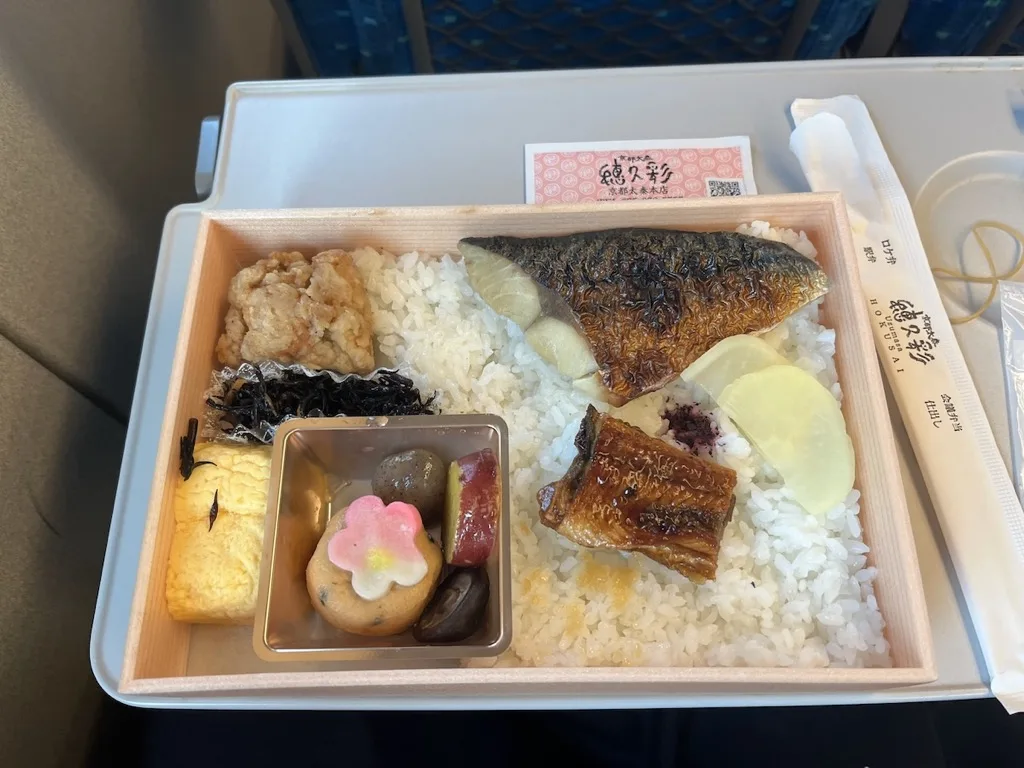
Japanese trains have no dining cars, so ekiben are very popular and typically cost around ¥1,000.
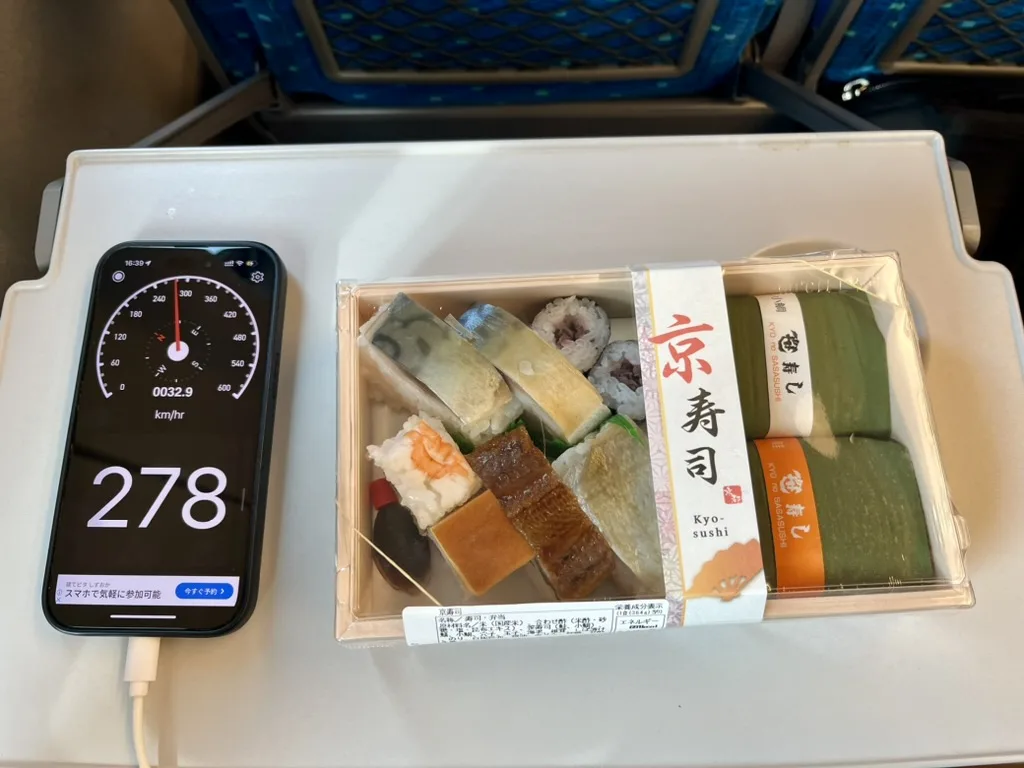
On a Shinkansen journey, you can enjoy one while travelling at almost 300 km/h.
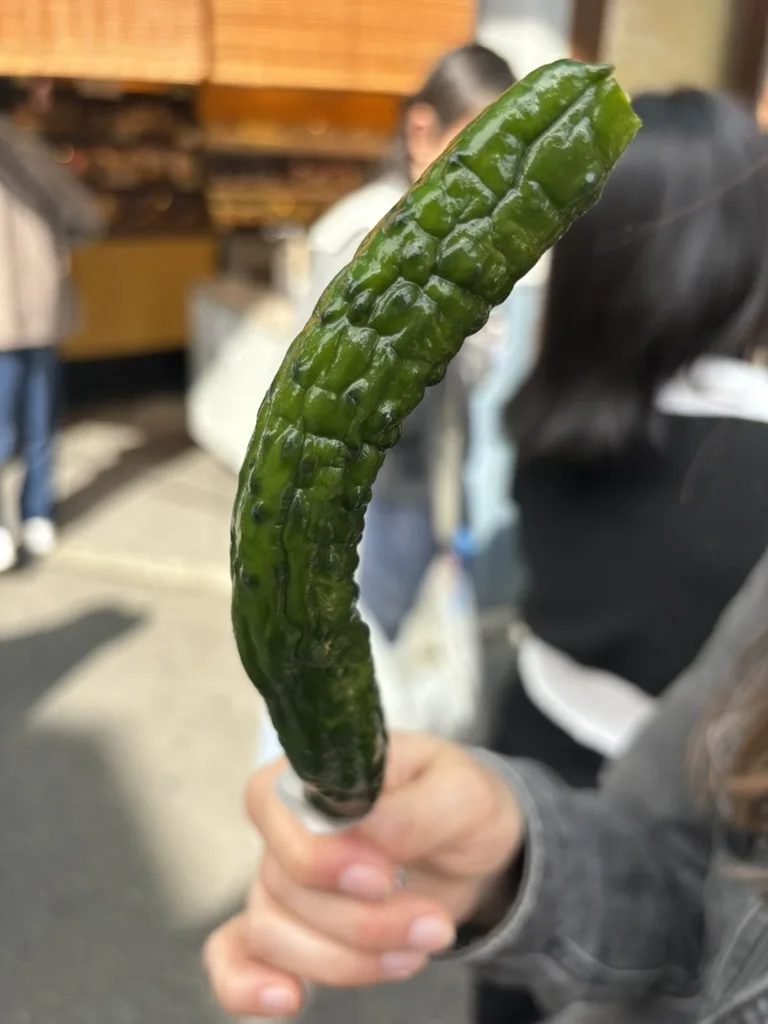
Kyuri asazuke
Kyuri asazuke is a lightly pickled cucumber, particularly popular during the summer when it is sold chilled on a stick.
Sweets
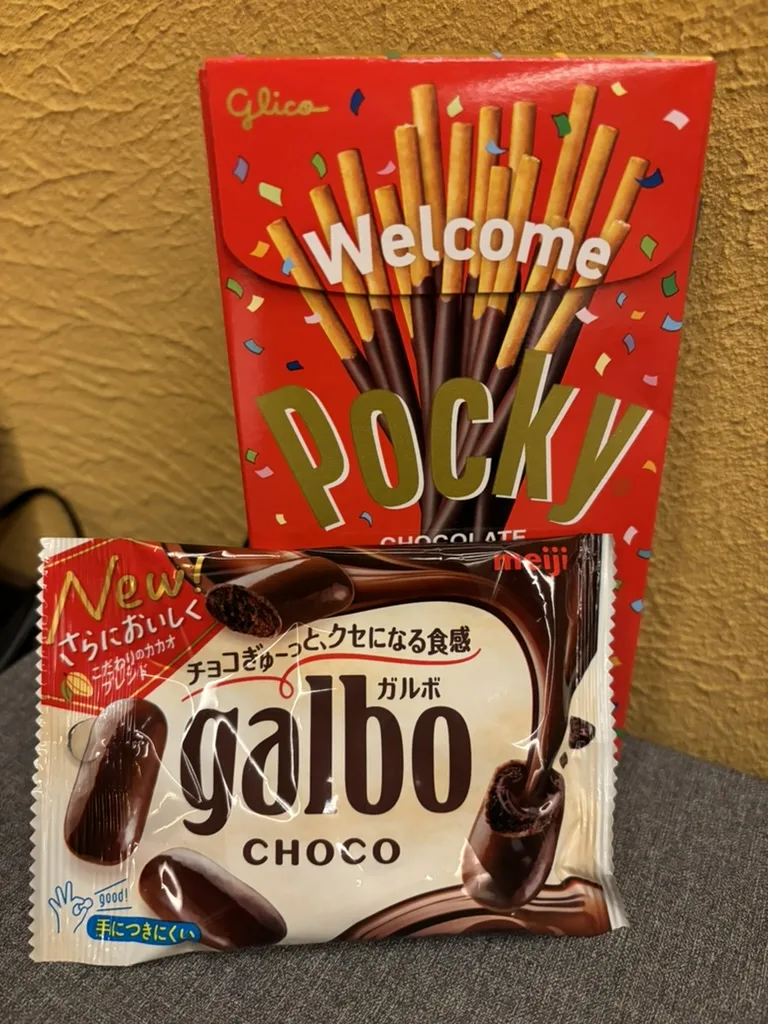
Konbini sell sweets familiar in Europe, such as Pocky, as well as chocolate including Galbo.
I was more interested in baked goods that I knew from anime, such as melon pan for ¥110—a sweet bread shaped like a melon—and various pastries filled with sweet red bean paste for ¥120.

Occasionally, you encounter something more unusual, such as a chocolate-covered banana on a stick.
Dango
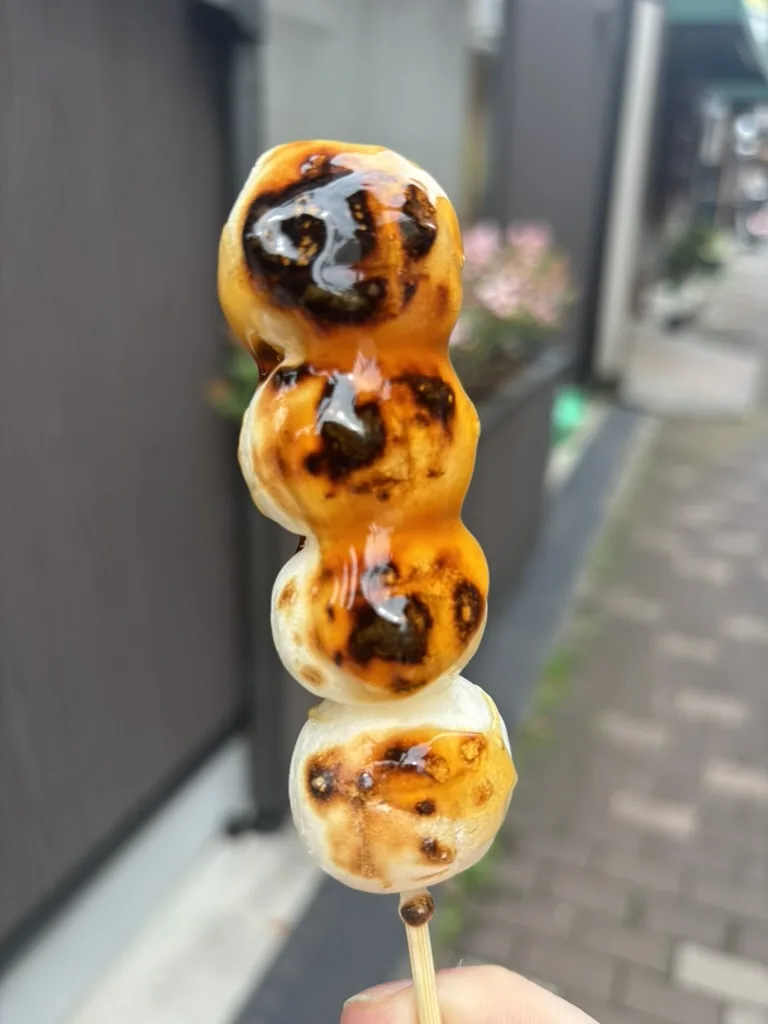
Dango is a Japanese dumpling made from rice flour, generally shaped into balls and served on a stick.
Taiyaki
Taiyaki is a sweet, fish-shaped cake sold as street food throughout Japan.
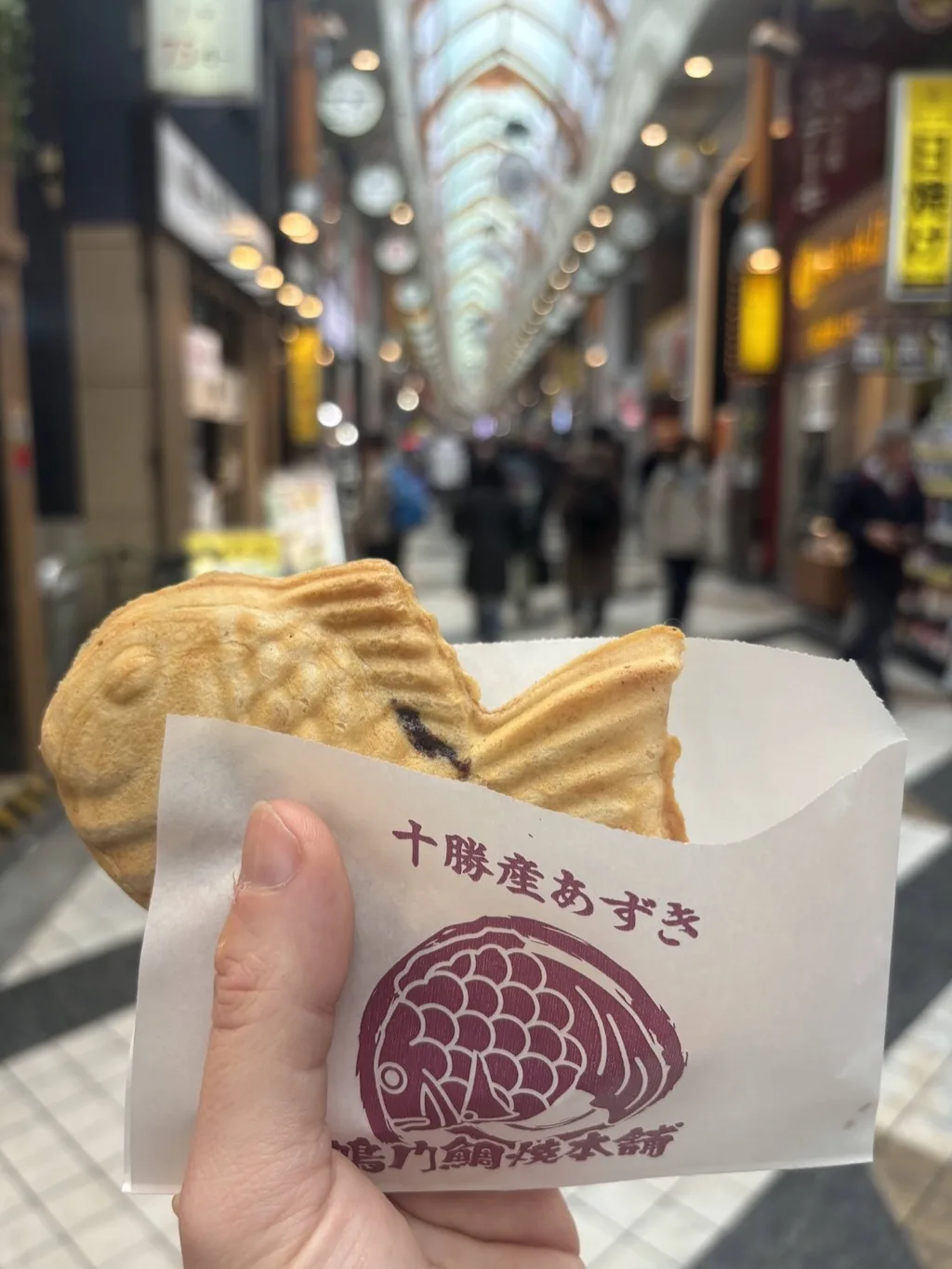
Its most common filling is sweet red bean paste. Freshly baked taiyaki is crisp on the outside and soft inside.
Strawberries
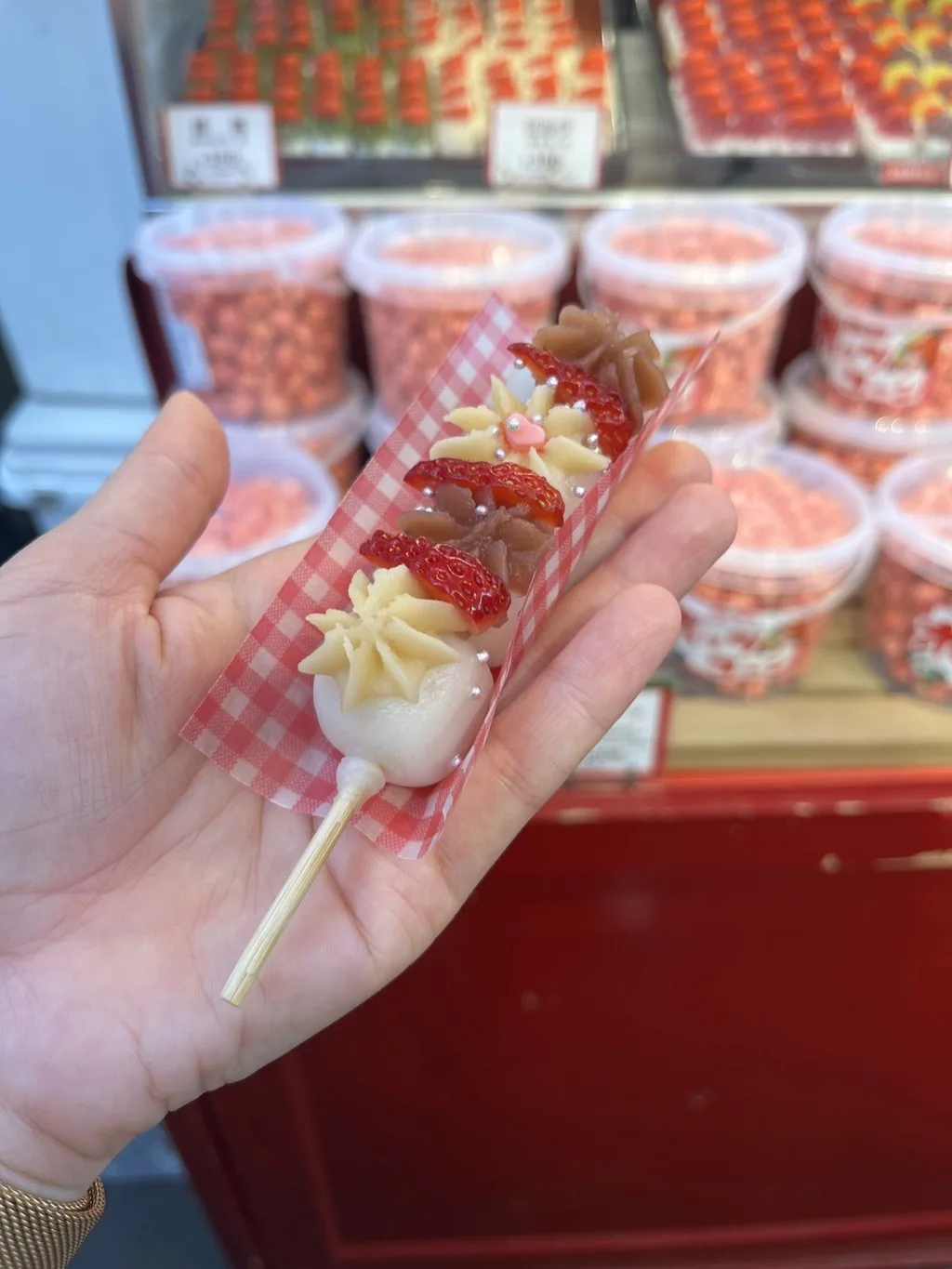
While walking through the streets, I began to think that the Japanese might have an obsession with strawberries. They were sold in various forms almost everywhere.
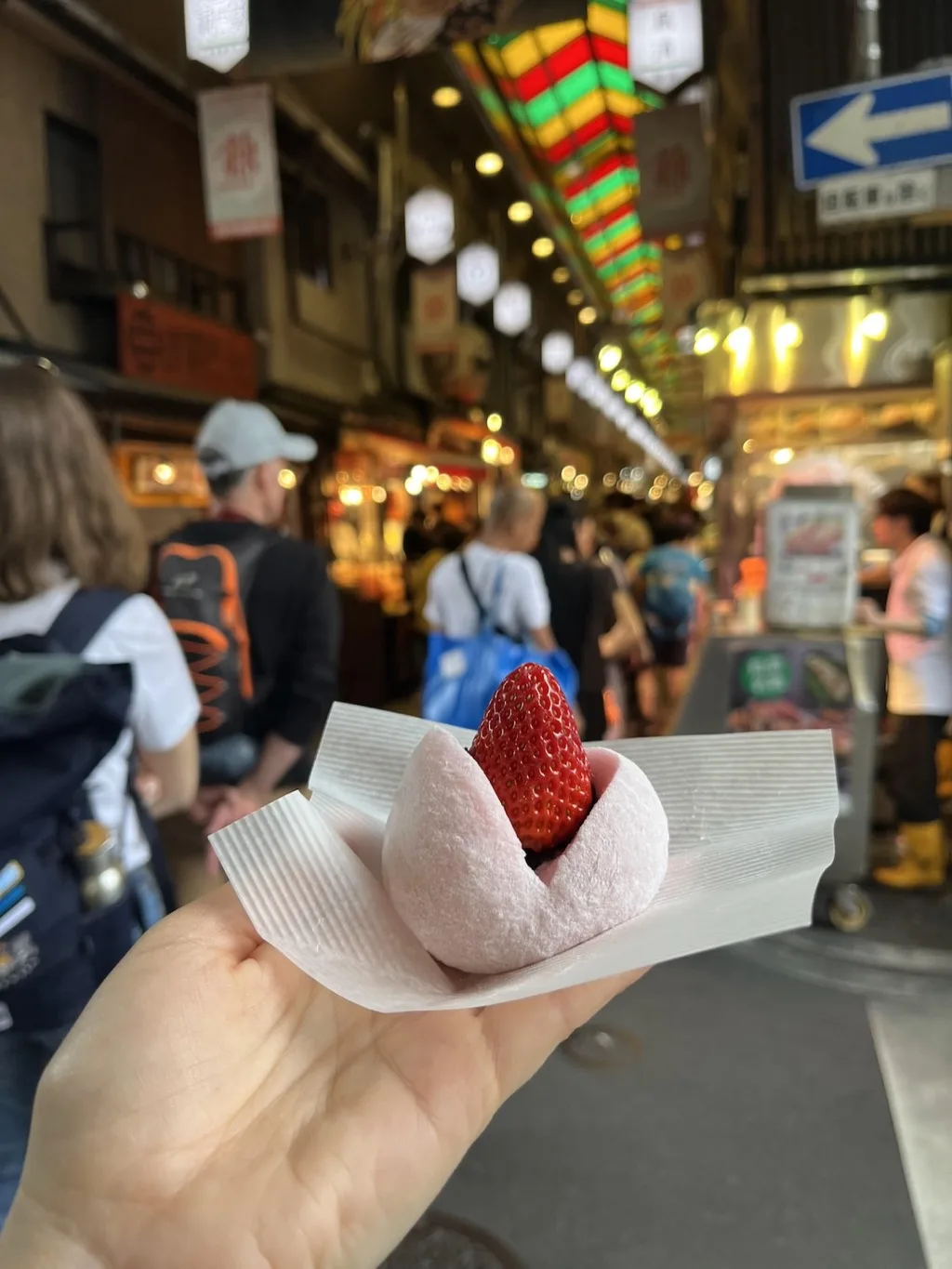
You could find them coated in sugar on a stick, inside mochi at a market or simply placed on dango.
Matcha sweets
Matcha is a popular flavour for sweets and appears in everything from small street snacks to cakes.
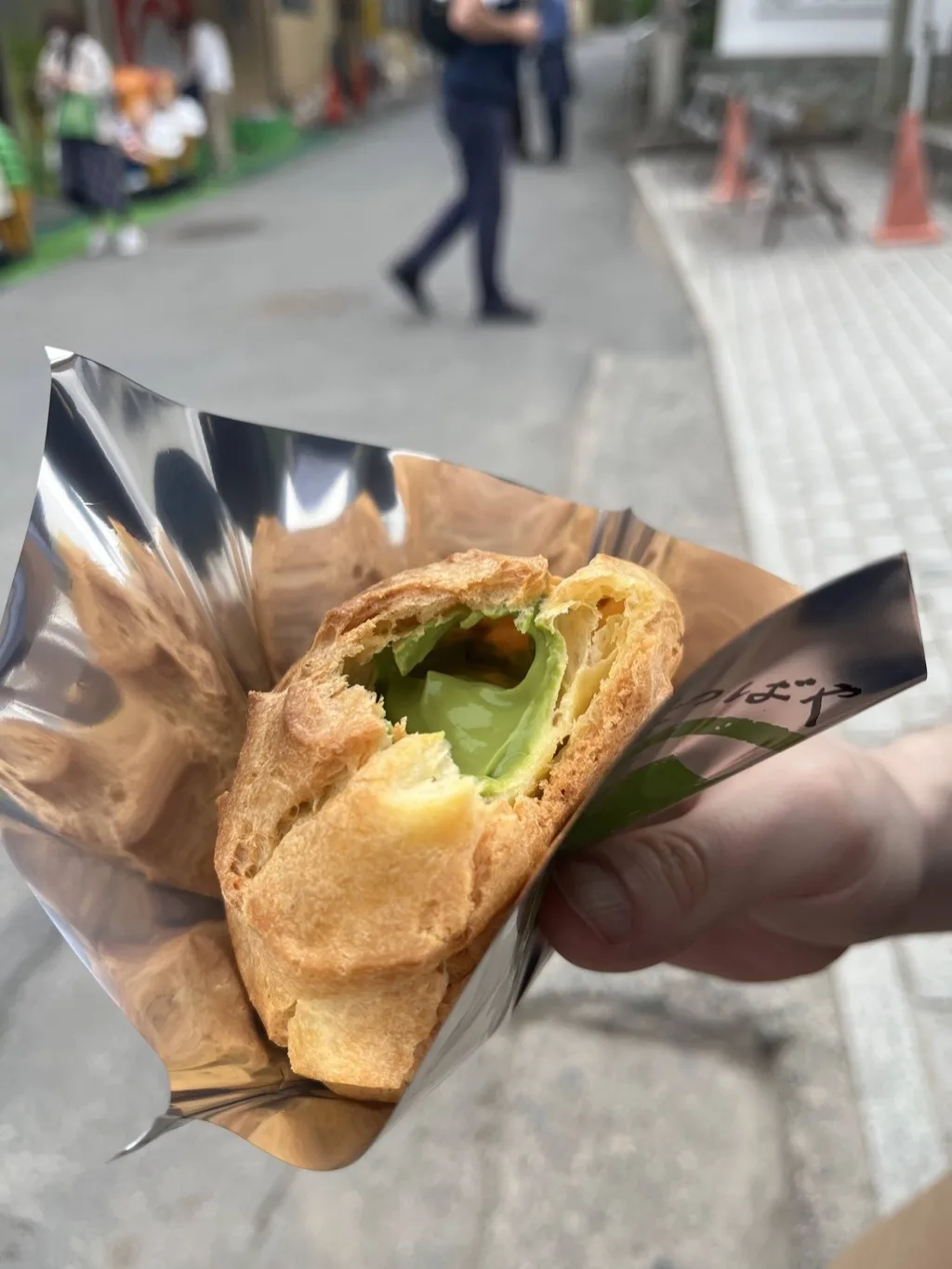
Matcha and mochi
Traditional teahouses often serve mochi alongside matcha.
They work slightly differently from teahouses in Europe. On entering, you pay a fee of around ¥500 and receive a small card or number.
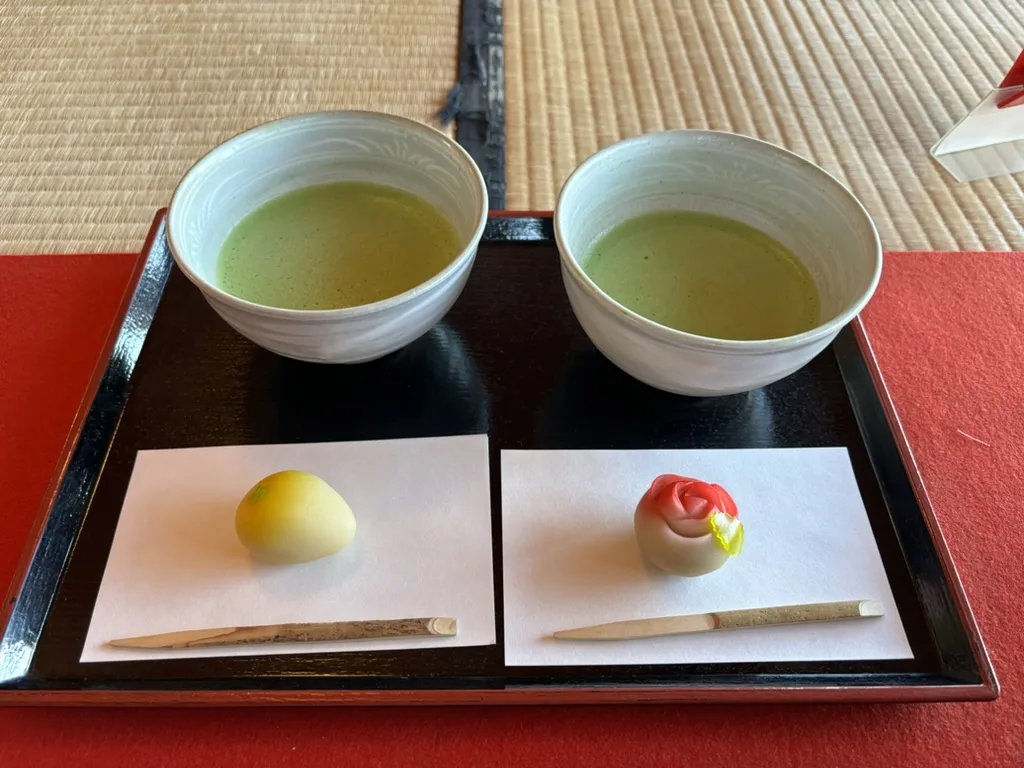
After sitting down on the tatami, you exchange the card or number for matcha and mochi or another sweet.