My experience paying by card in the USA 🇺🇸
On my trip to Florida, I was surprised by how card payments worked in the United States compared with Europe. At times I felt as though I were in a technologically backward country.
Forget Apple Pay and contactless payments
I encountered very few contactless terminals in Florida. My first attempt to pay with Apple Pay failed even though the terminal looked fairly modern.
It first asked whether the card was credit or debit, then requested a PIN, and finally reported a problem and told me to contact the cashier. On my second attempt, I identified my Revolut debit card as credit, as is often recommended in the US, but the bank declined it. After that, I preferred not to try contactless payments again.
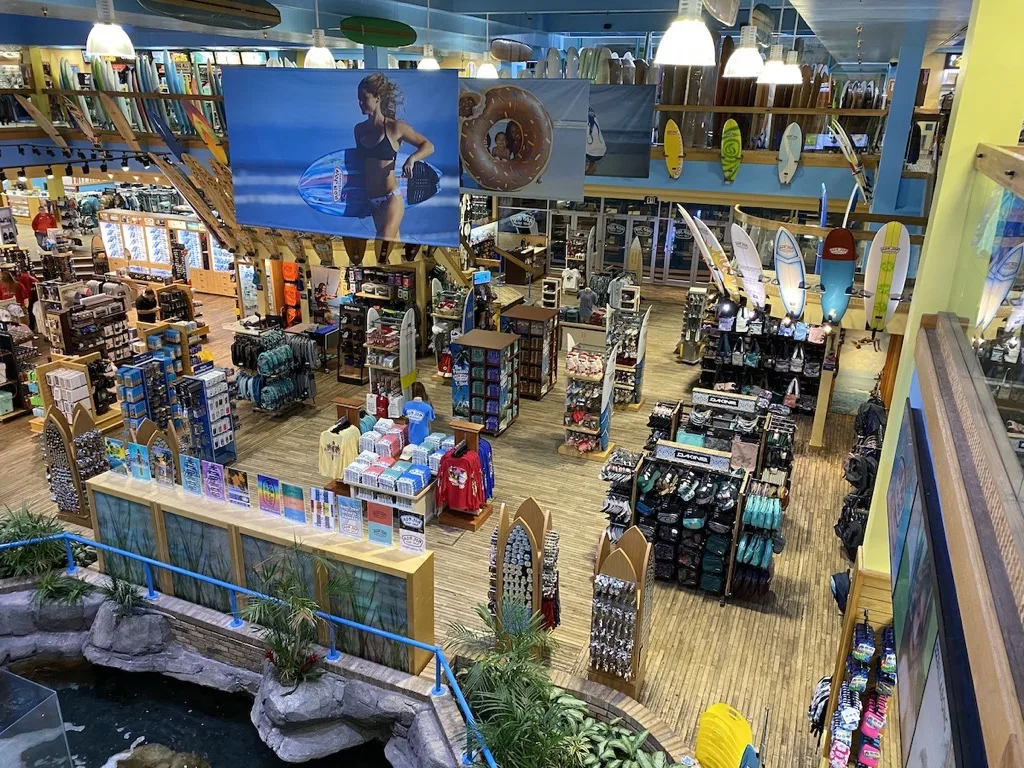
It felt strange to see people with iPhones throughout Florida taking conventional payment cards out of their wallets or using cash.
Unsafe magstripe payments everywhere
If you hand your card to a merchant, they swipe its magnetic stripe and process the payment using the old, insecure magstripe method. This does not use the card’s chip and therefore requires no PIN. The transaction relies only on the card number and expiry date stored on the stripe.
You practically never encounter such payments in Europe today because they are insecure. An attacker needs only your card number and expiry date to misuse it.
Americans clearly prioritize convenience over security, but more importantly, they use credit cards rather than debit cards. With a credit card, you spend the bank’s money rather than your own. If an unauthorized payment later appears on your statement, you can dispute it with the bank without losing your money. With a debit card, recovering the money is much less certain.
Interestingly, even when I inserted my card’s chip into a modern-looking terminal, it usually did not ask for a PIN. The transaction simply went through anyway in the old, insecure way using only the card number and expiry date.
When buying tickets at Disney’s Hollywood Studios, which was not a small transaction, the staff did ask for photo identification and checked that the name in my passport matched the card.
Restaurant payments whose total changes afterwards
Paying a restaurant bill worked exactly as it does in American films. I received the bill, placed my card inside and a server took it away somewhere out of sight, where anything could have happened to it. They placed an authorization on the card for the bill’s total—again using the old magstripe method—and brought it back. The authorization always noted that the final amount might change.

Restaurant staff in the United States depend on tips, so you are expected to add 15–20 per cent. When my card returned, I wrote the tip below the bill’s total by hand, then the resulting total and my signature. I assume writing both amounts was not because the staff could not add them, but rather a safeguard in case my handwriting was unclear.
A few days later, after the restaurant had manually processed its receipts, the authorization changed to include the tip and the final amount was charged. Again, this is something you genuinely do not encounter in Europe because of the security implications.