A short guide to smartwatches
Smartwatches are an increasingly discussed subject, particularly with the approaching launch of the Apple Watch. Many already exist across several categories, and finding your way through the market is not always easy. I therefore decided to write this article. After reading it, you should be able to distinguish the categories and decide which is right for you.
Pebble
Pebble began as a Kickstarter project several years ago and essentially created the smartwatch category. It is a watch with a power-efficient e-paper display, available in plastic or metal, that lasts about a week on one charge and works with Android and iOS. It naturally includes sensors for tracking steps and sleep quality.
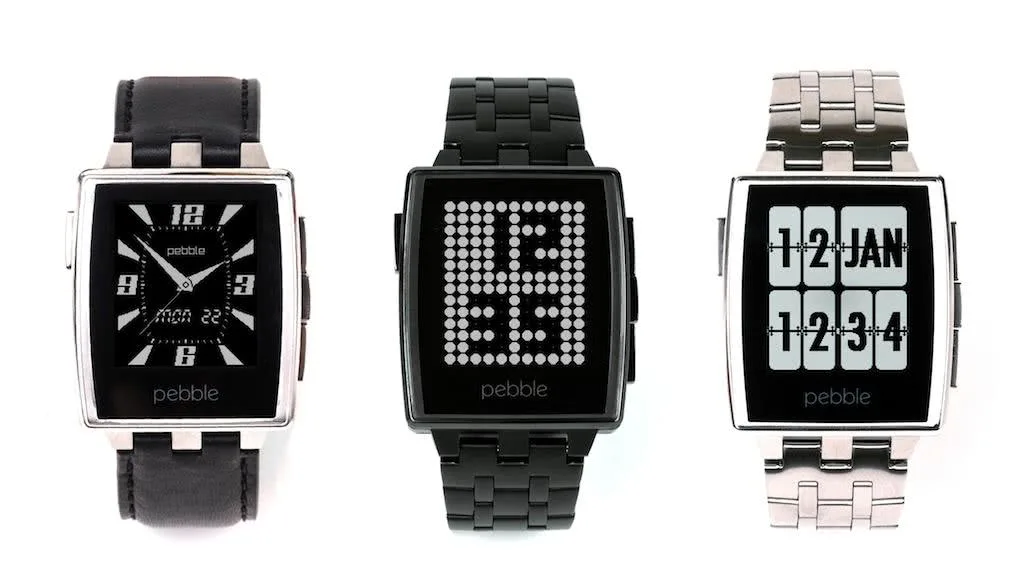
Pebble does not try to be a computer on your wrist. It is instead a phone accessory—a second screen. Hardware buttons provide interaction and the display is not touch-sensitive, helping to produce its relatively long battery life.
Apps downloaded from the official Pebble Store can run on the watch.
Android Wear
Android Wear is the collective name for smartwatches using Google’s Android-based operating system. These devices try harder to be computers on your wrist than watches, and do not always succeed. Telling the time receives relatively little emphasis, while they typically overwhelm you with notifications and other demands for interaction. Their displays tend to be colour touchscreens, often with visibly low resolution or poor touch response.
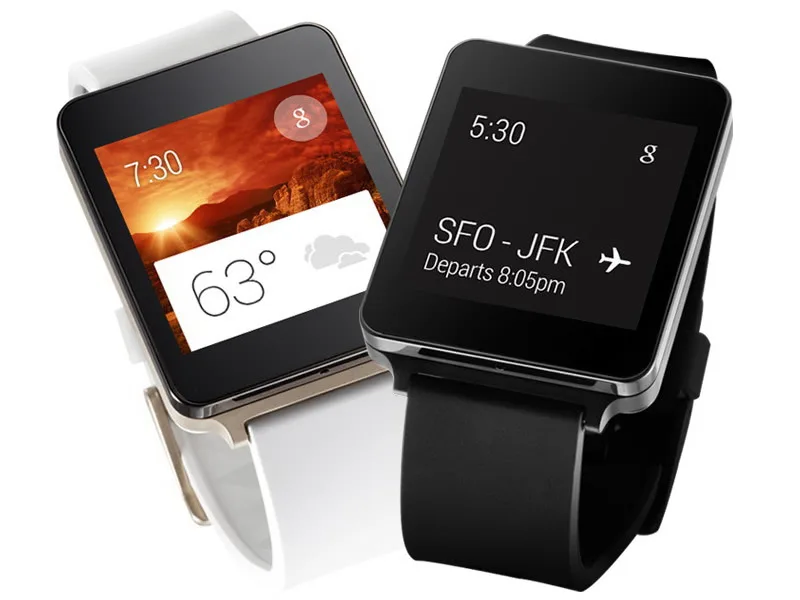
Android Wear watches run a growing collection of Android apps of varying quality; seeing an app crash directly on the watch is not unusual. At the time of writing, they naturally could not be paired with iOS devices.
You could typically recognize Android Wear by its unattractive design—with a few exceptions such as the Moto 360—which I personally would not want on my wrist. Other problems included battery life that barely reached a day, and the watches frequently became noticeably warm.
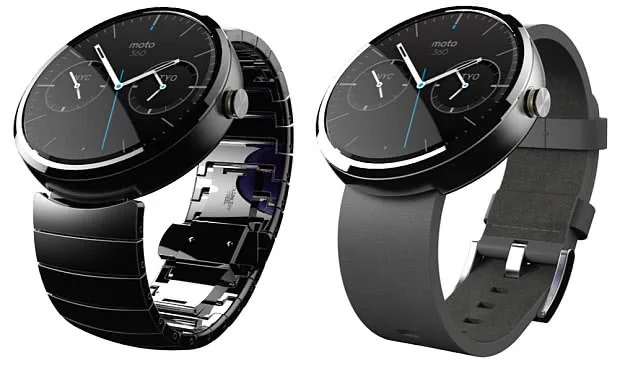
Besides the Moto 360, examples included the LG G Watch.
Connected watches
Connected watches are analogue watches able to communicate with an Android or iOS phone. They contain sensors for tracking steps, swimming, calories burned and similar data, which can then be transferred to the phone. They do not have digital displays; notifications, if available, may instead use LEDs on the dial.
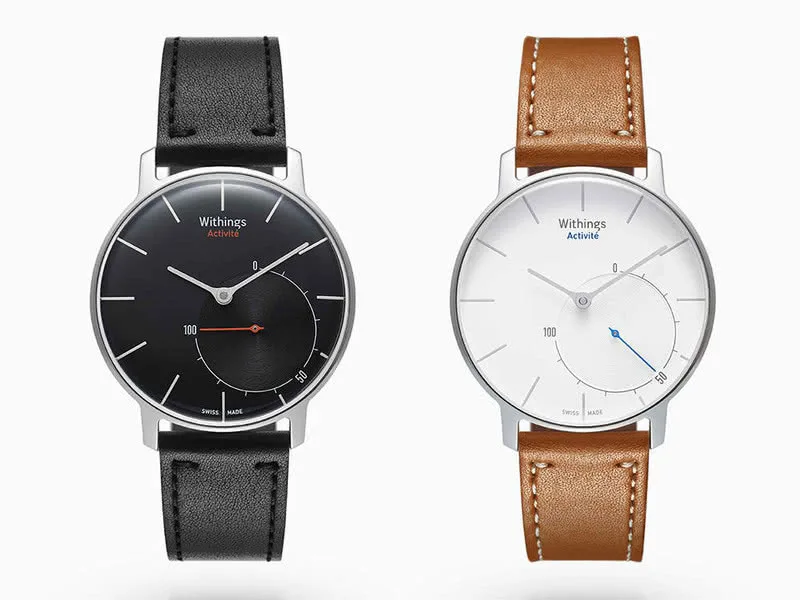
Their major advantage is a classic design and excellent build quality, so you will not be embarrassed to wear one. Another is battery life, typically measured in years. They effectively replace two devices: a conventional analogue watch and a fitness band. Their primary purposes are to display the time and collect data without bothering you with notifications or forcing you to interact with them.
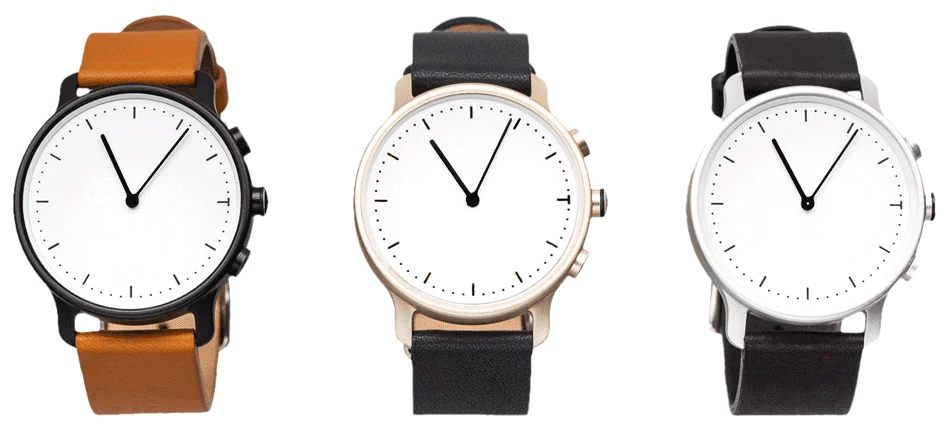
Examples included Nevo and Withings Activité.
Conclusion
Each smartwatch category suits a different purpose, so the right choice depends on your preferences. As a fan of traditional watches, I prefer the connected-watch category, particularly Nevo.
If choosing between Pebble and any Android watch, I would pick Pebble. The company seemed to have thought through the smartwatch concept most successfully, as reflected by its longer battery life, hardware-button interaction and other details.
The arrival of the Apple Watch would naturally be interesting to follow in 2015.