Returning from Apple Watch to mechanical watches
I had worn watches since childhood, from calculator watches to the various chronographs I later came to favour. My last conventional watch was a Casio Edifice.
Around the arrival of the Apple Watch, I was planning to buy my first higher-quality automatic watch. The number of options was overwhelming, however, and I could not decide for a long time. In the end, I bought an Apple Watch Series 2 instead.
Apple Watch
Choosing an Apple Watch was simple: 38 or 42 mm. Case materials and colours mattered relatively little because the large black display always dominated. As a technology enthusiast, I bought the 42 mm version and began using it.
I never particularly liked the Apple Watch’s design, although an attractive strap could make it reasonably acceptable. It still did not look as good as a conventional watch.
Perhaps that was partly because, in my mind, watches should be round rather than rectangular.
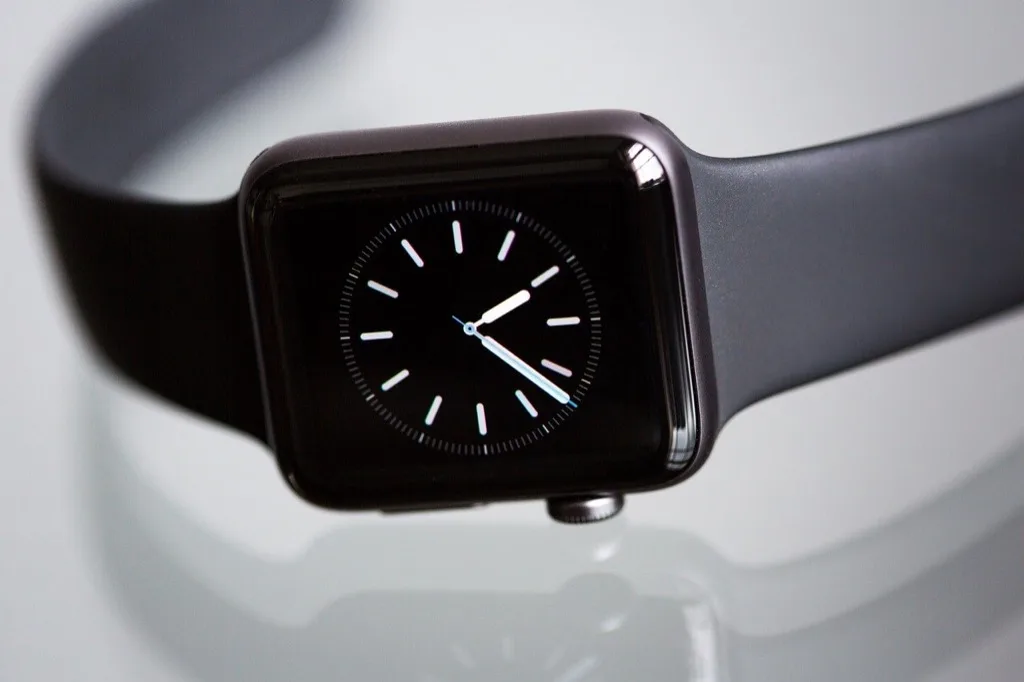
I never used notifications, the Apple Watch’s original central purpose, because I dislike being interrupted. Even on my phone, I allow only badges, and only for a few selected important apps.
I mainly used the health features to ensure I moved enough and did not remain seated for too long. Over time, I learnt to maintain those habits without an Apple Watch.
After almost three years, the watch began to bore me and feel unnecessary. I became interested in traditional mechanical watches again.
Mechanical watches
The world of mechanical watches is vast and has a rich history. The more I explored it, the more certain I became that I wanted a traditional mechanical watch again.
Mechanical watches offer distinctive timeless design, history and craftsmanship. They will remain fashionable and continue working just as well in a decade, often with only a small loss of value. An Apple Watch can never compete with that—and a conventional watch does not need charging every night.
A good mechanical watch need not be expensive. Excellent examples exist below €100; Seiko even offers its own automatic movements in that category.
Automatic watches
A traditional mechanical watch has no battery or electronics. It is driven entirely by a movement consisting of a mainspring that stores energy and gears that transfer it. The spring is wound manually by turning the crown. An automatic watch adds a mechanism that winds the spring through the movement of your wrist.
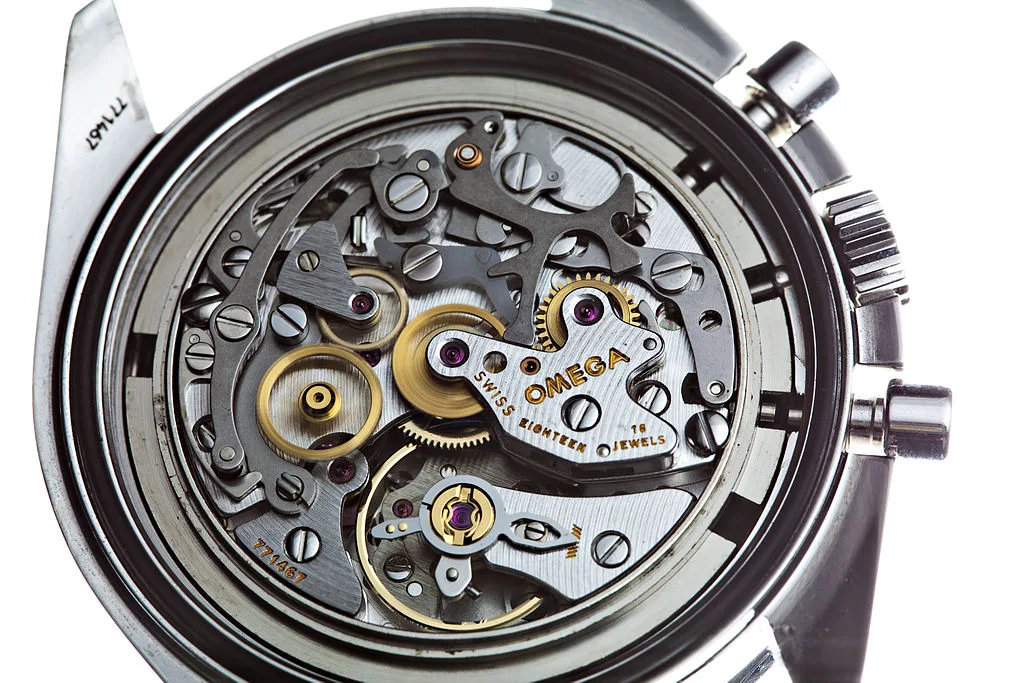
You wear the watch during the day, move your arm and thereby wind it. Left unworn, it continues running for another day or two. More expensive examples can also be wound manually through the crown, allowing you to keep them running when not wearing them.
A mechanical movement can never match the precision of a quartz movement powered by a battery and quartz crystal. Lower-quality mechanical movements may deviate by more than 30 seconds per day, although ordinary examples often manage less than ten seconds in real use.
If you want completely accurate time, you must correct it every few days. This is where hacking is useful: pulling the crown out to the time-setting position stops the movement. You can pull it out, wait for the exact time to catch up and push it back in. Cheaper watches often lack this function, making precise setting more complicated.
Despite these small drawbacks, a traditional movement has real charm for me. Wearing something that contains no electronics and works entirely mechanically feels refreshing today.
Once I decided to replace the Apple Watch with an automatic watch, I faced the same problem as years before: choosing one from the enormous selection.
A starter automatic watch
I had always liked several types of watch without having a firmly defined preference, making the choice genuinely difficult. While deciding which higher-quality automatic watch to buy, I had an idea: why not first buy an inexpensive one? It would let me discover whether I missed the Apple Watch and whether automatic watches genuinely suited me.
Seiko 5
I decided to begin with a Seiko 5. Seiko is a long-established Japanese brand capable of producing excellent watches at low prices.
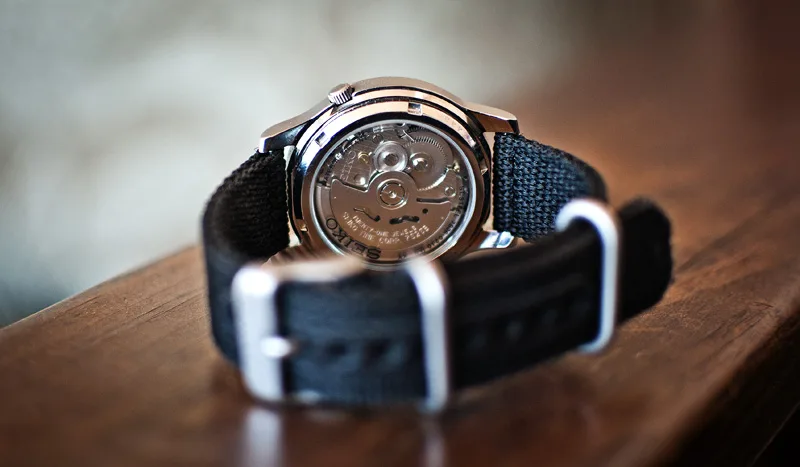
The Seiko 5 series is a true classic, produced in many forms for more than half a century and sold in the millions. Reviews consistently describe the Seiko SNK809 as the best automatic watch in its price range.
It even has a transparent case back, allowing you to see the automatic winding system work. The movement should need servicing only once every ten years.
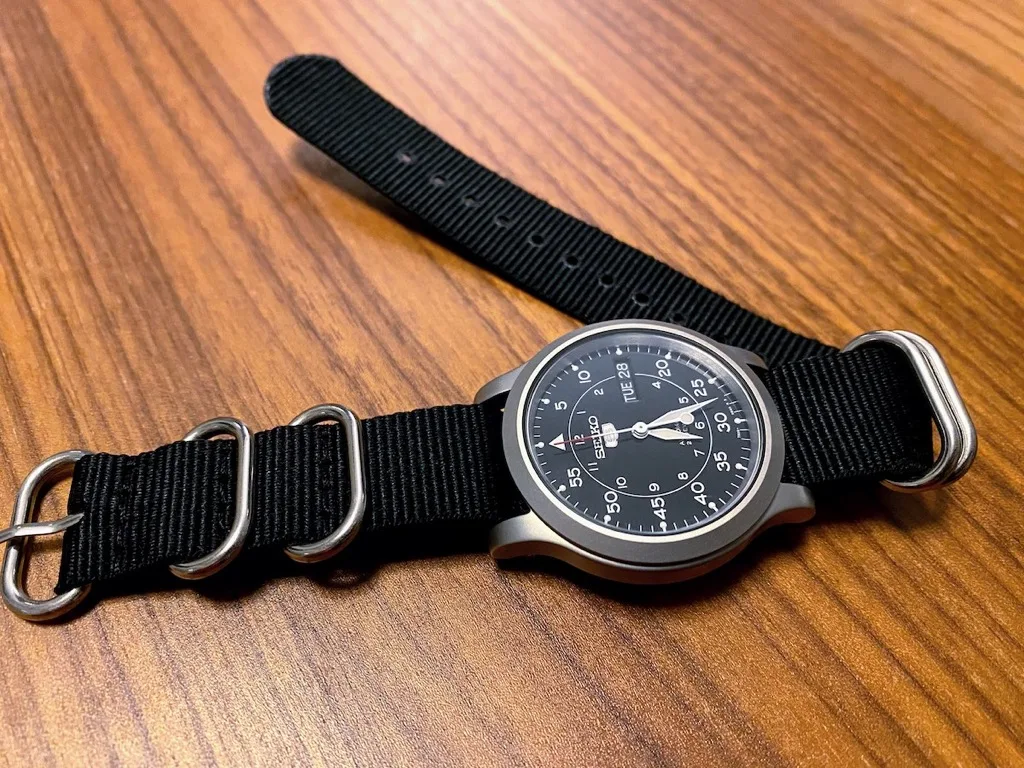
Paired with a NATO strap, it looks very good if you like a slightly military style.
NATO straps
Straps form their own category. Alongside traditional steel, leather and rubber options, NATO straps have become popular—perhaps thanks to James Bond, who wore them several times with an Omega Seamaster.
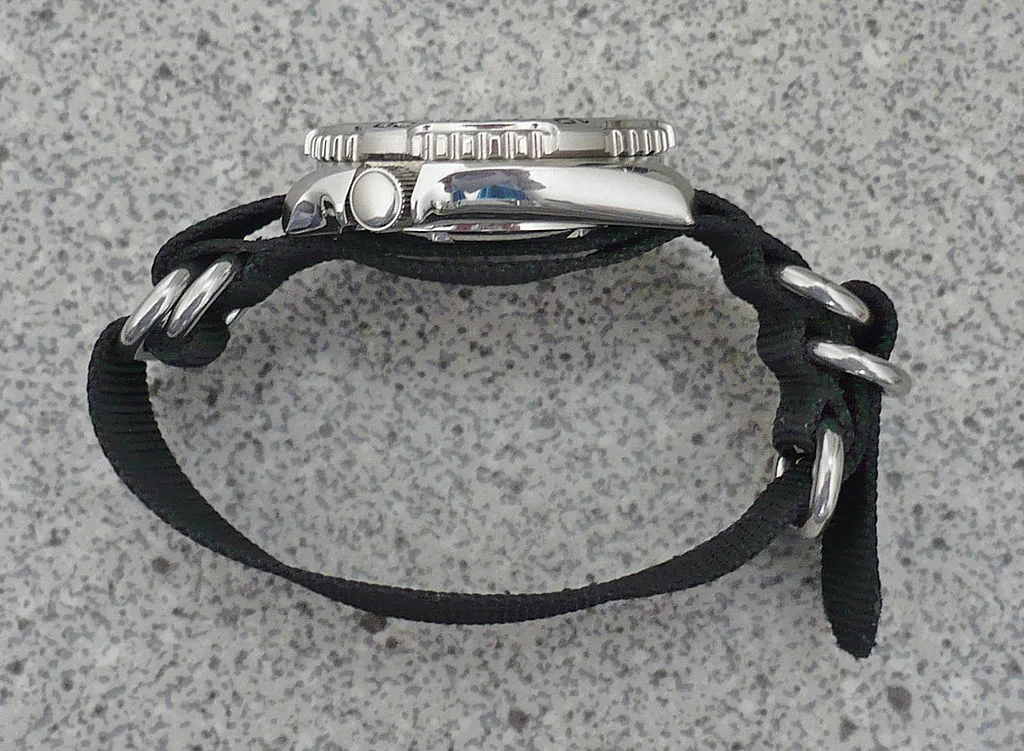
The idea is very simple. A long nylon strap passes beneath the spring bars rather than attaching directly to them, so the watch remains on your wrist even if one spring bar fails. Together with the low manufacturing cost, this suited the military origins that gave the NATO strap its name.
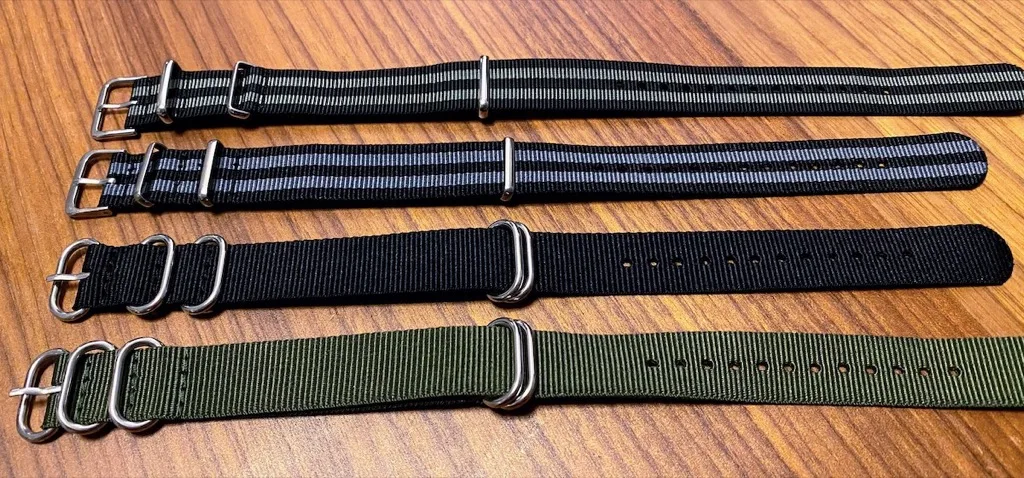
NATO straps are also extremely easy to change. No tools are required and swapping one takes only a few seconds, allowing you to wear a different one every day.
My first higher-quality automatic watch
After several weeks, I concluded that the Seiko 5 was an outstanding watch for its low price and that I did not miss the Apple Watch at all. It was time for a higher-quality automatic watch.
I spent several weeks studying brands, models and their history. I considered pilot’s watches such as the Sinn 104 St Sa and divers such as the Oris Divers Sixty-Five, until I discovered Junghans and Bauhaus design.
Size was important. I have a small wrist, and my ideal watch has a case diameter of around 38 mm. Its lugs should never extend beyond the wrist. Many people have followed the trend for enormous watches that look almost comical on their arms.
Junghans Max Bill Automatic
Junghans is Germany’s oldest watch brand, founded more than 150 years ago. During the 20th century, it collaborated with Max Bill, one of the most prominent artists from the Bauhaus school of design.
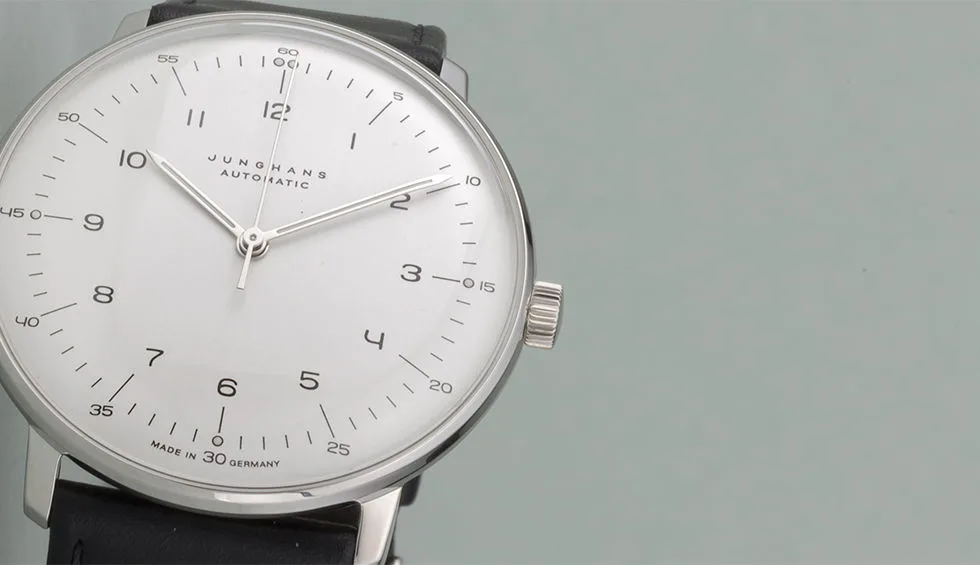
The result was the Junghans Max Bill Automatic series. I ultimately chose it for its clean design, low height and domed crystal, which gives it a slightly retro appearance.
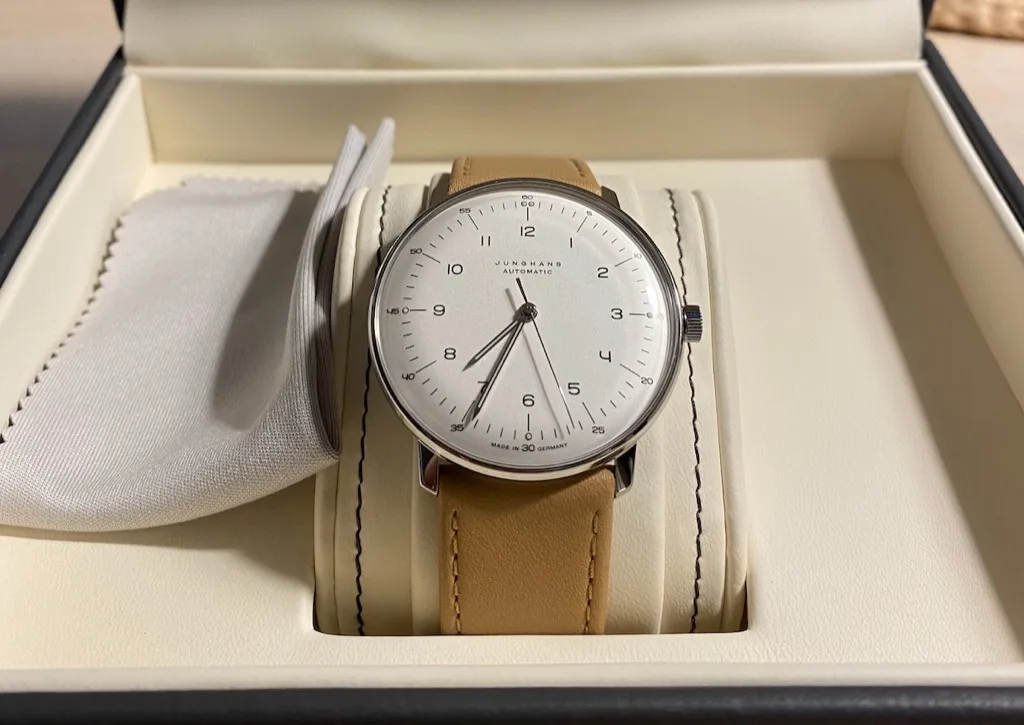
It is simply timeless Bauhaus design, naturally accompanied by Junghans’s J800.1 movement, hacking and hand-winding.
You can find more details in my separate review.
Conclusion
Mechanical watches are wonderful; the experience is incomparable with an Apple Watch. Instead of one, I bought two completely different mechanical watches. I worried that I might wear only one, but both the Seiko and Junghans have a particular place in my collection.
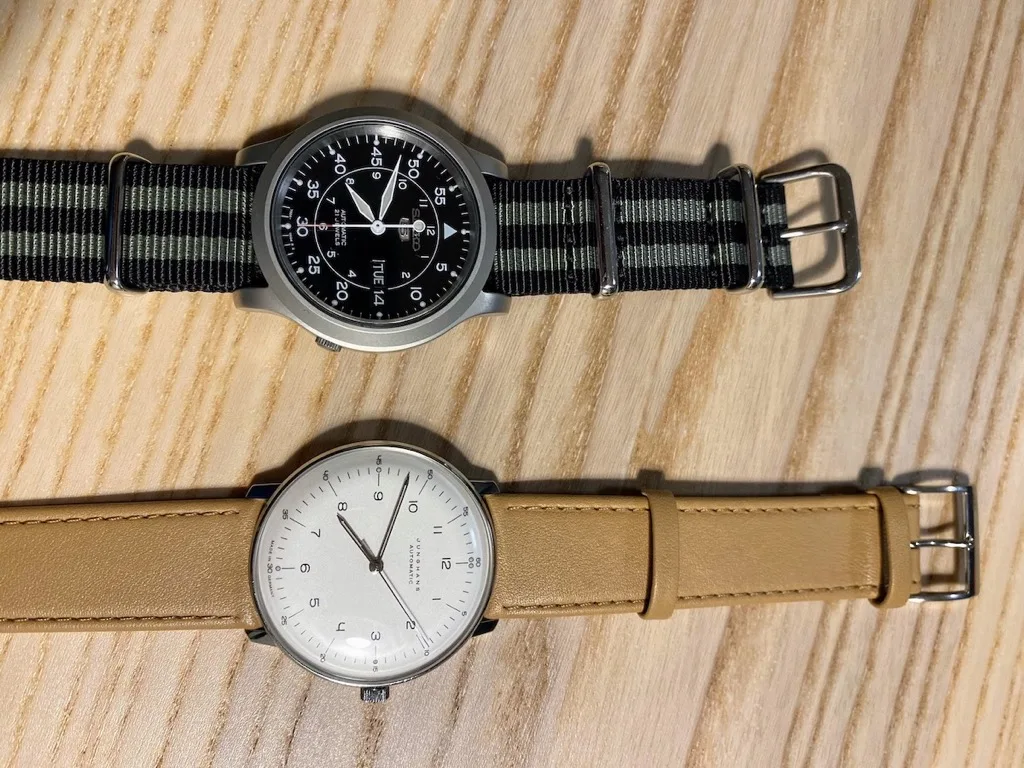
The Junghans Max Bill Automatic is not merely a watch but a piece of design history. The Seiko SNK809 demonstrates the quality of Japanese engineering.
I use the Junghans as my main watch and the Seiko as a beater: a watch for rougher treatment and activities where I do not have to worry about damaging it.